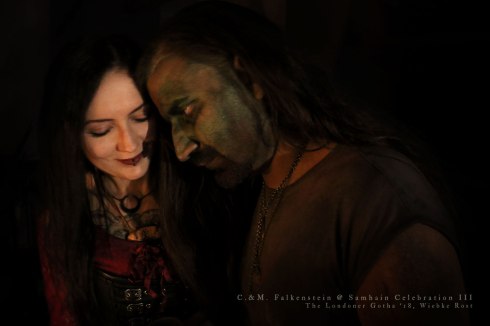
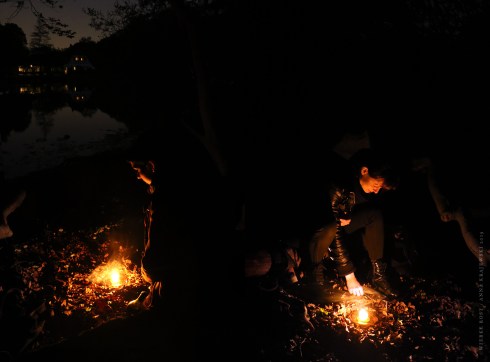
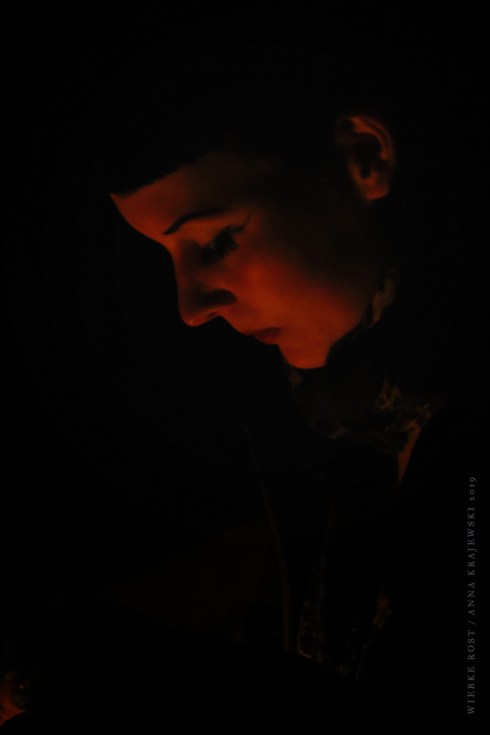
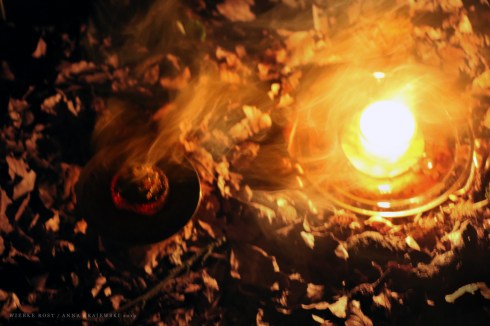

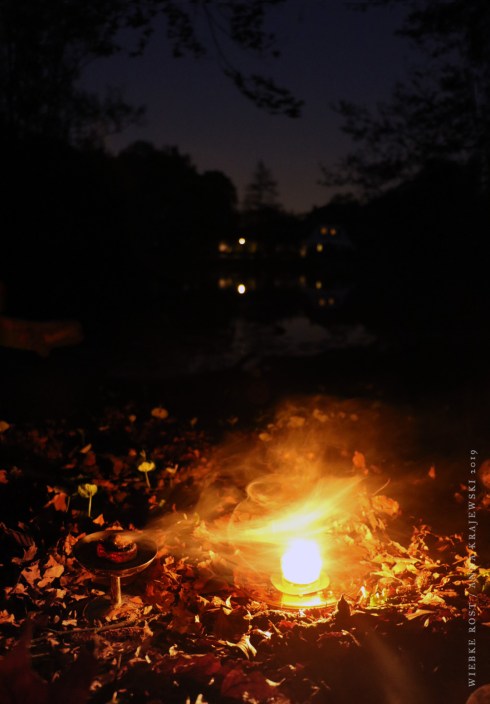
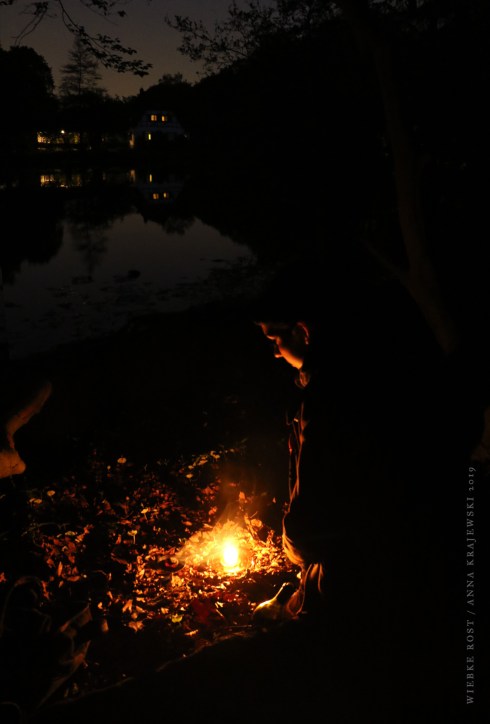
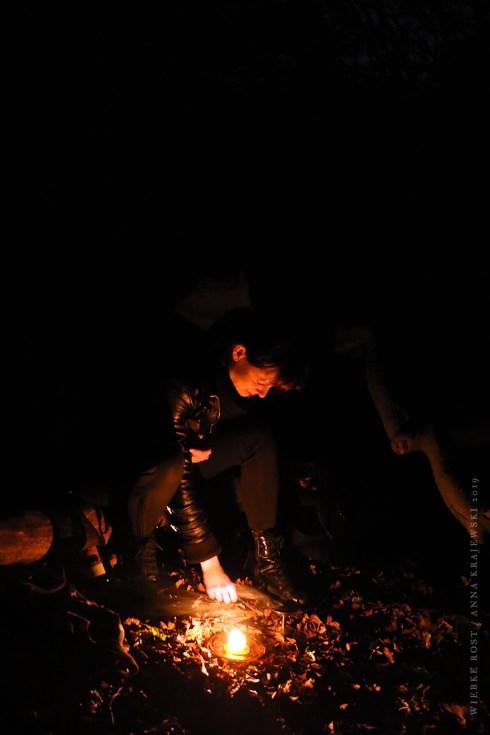
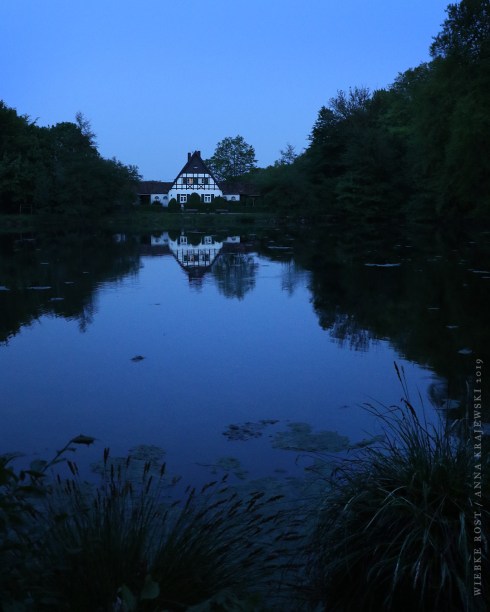
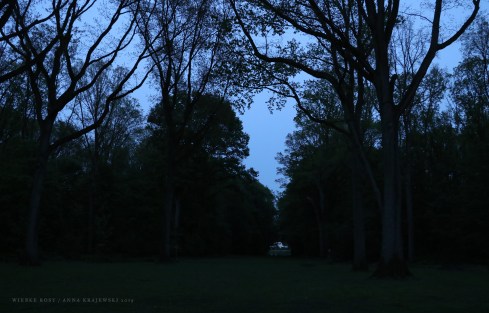
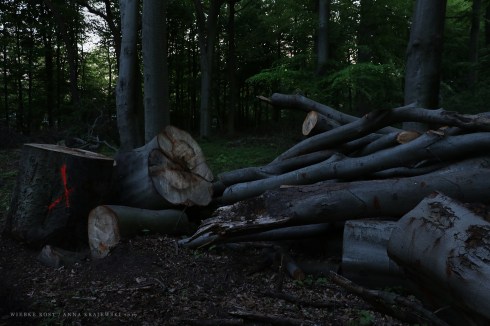
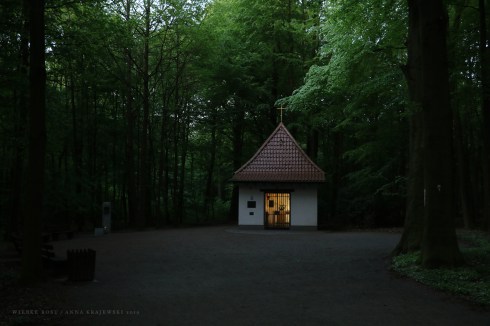

Having spent past Walpurgis nights in relative solitude for over a decade, the stars aligned now in such way, that this year I was invited to spend it together with fellow photographer and occultista Anna Krajewski. Above are a few impressions of our little sabbath, as we explored a chapel built in follow to the execution of the region’s last witch, and ventured on through the forest, as the blue hour began. Finally we came to sit among tree roots descending towards a lake, in the company of myriads of bats and various waterfowl, a swan and last but not least a grey heron, sliding elegantly across the water’s mirroring surface…
Early Bird
5 Apr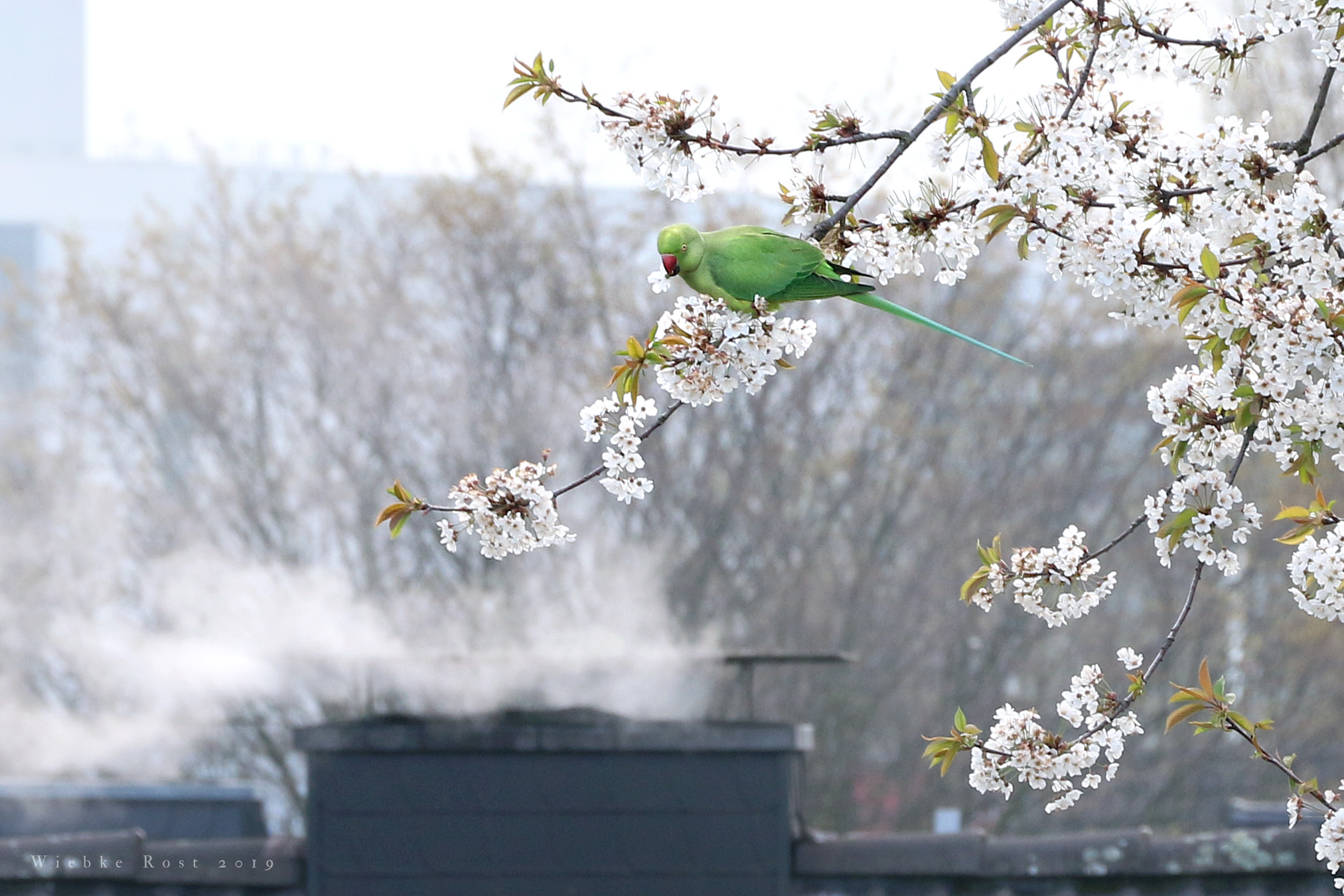
This ring-necked parakeet is enjoying an early morning lunch by eating the flowers of the cherry tree in our yard. Ring-necked parakeets are spreading in German cities, especially in North-Rhine Westphalia and are getting into conflict with humans. E.g. Cologne began in 2018 to actively expel the birds from its city center. Meanwhile ornithologists suggest beneficial effects of the parakeets, since their breeding burrows are being reused by other birds, e.g. stock doves, which are listed as threatened. The parakeets breed earlier than our native birds. During autumn there about 3000 parakeets, crows and jackdaws gathering at Düsseldorf’s ‘Kö’.
Kamelienblüte Schloss Pillnitz, Frühlingsanfang 2019
22 Mar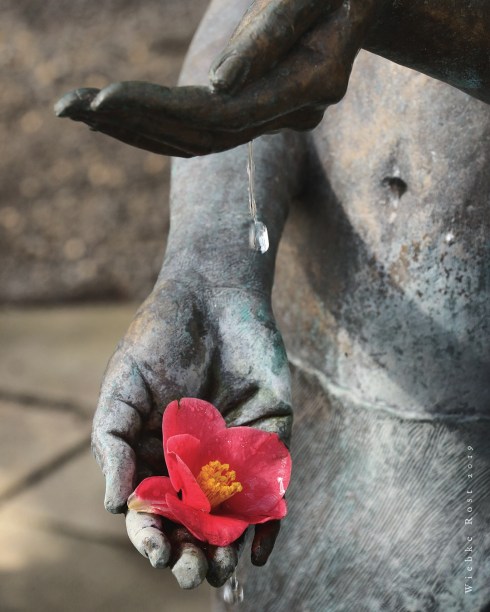
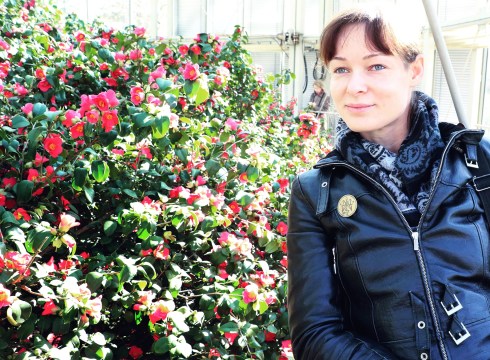
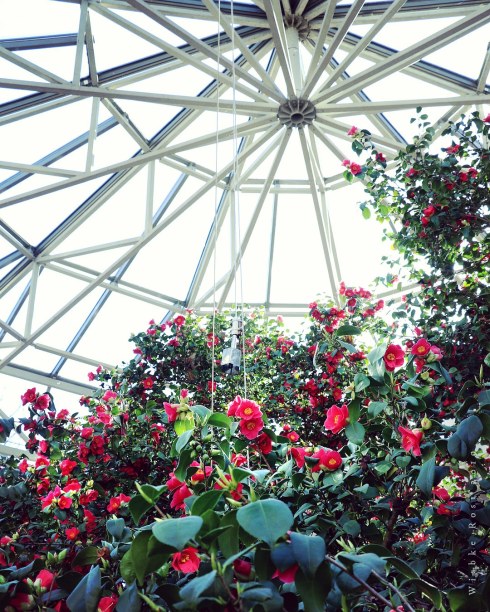
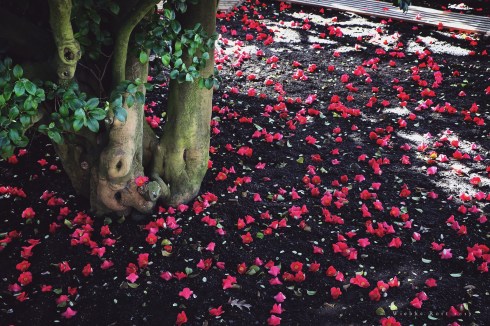
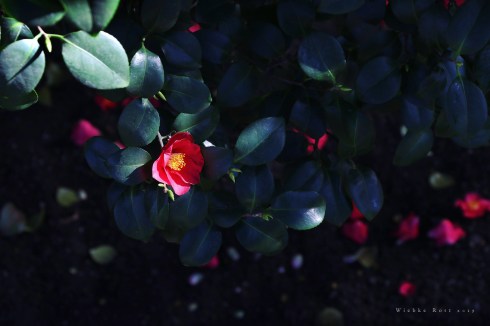
The camellia in Pillnitz is around 230 years old, almost 9 m high and 11 m in diameter. From February to April it is covered in carmine red flowers. During the cold season, the tree, which was planted in 1801 by court gardener Terscheck, is protected by a large glass house with stairs. During this time visitors can enter and view the tree from two levels.
In the mid 19th century Dresden became a European hot spot for the culture and breeding of camellias, and exported them to Russia as well as Italy and Spain. The camellia was viewed as a status symbol among European aristocrats, and Russians in particular, had a high demand for camellia flowers, which were exported in thousands to St. Petersburg and Moscow.
With growing popularity among Westerners, and contrary to its Far Eastern symbolism, the meaning of the flower changed. Thanks to popular literature, most prominently La dame aux camélias by Alexandre Dumas from 1848, as well as real life personae, such as the “Wiener Cameliendame”, a dancer named Fanny Elßler, the camellia became erotizised!
On the other hand the longevity of the flowers, and particularly white camellia flowers, became associated with death and mourning and were woven into funeral wreaths.
The seeds of all known (about 200) camellia seeds yield a valuable oil, which smoothes the hair and juvenates the skin. The oil is rich in linolenic acid, and is also used in cooking and reduces cholesterine. Samurai rubbed camellia oil unto their sword blades to protect them from rust. The oil is also used as a natural surface finish for wood, as lube in watches and precision engineering and more.
Camellia wood is hard and durable and was used in the manufacture of weapons, different tools as well as kokeshi dolls. Up to the Edo period, a camellia rod was used in Buddhist ceremony to punish and drive out malign spirits. The wood also yielded a spark-free and, hence sought after charcoal.
Camellias are highly resistant against diseases and may contain different antibacterial and fungicidal agents.
Besides, the first Westerner to portrait a camellia flower was likely a Saxon gardener by the name George Meister. His book “Der Orientalisch-Indianische Kunst- und Lust-Gärtner” was published in 1692 in Dresden. In it he describes both the camellia as well as its crop plant, Camellia sinensis var. sinensis – the tea shrub!
Further Reading:
https://de.wikipedia.org/wiki/Pillnitzer_Kamelie
https://www.schlosspillnitz.de/de/schloss-park-pillnitz/kamelie/
Selling on Etsy — The Long, Rattling Death March
3 MarI used to sell on Etsy, but stopped, when they began to force sellers to provide their personal bank info (which I did not want to give to them). I also felt they were starting to charge more and more fees. I too experienced automatic renewals even though I had turned them off. But all of this was small compared to the experiences shared here. I am hence sharing this.
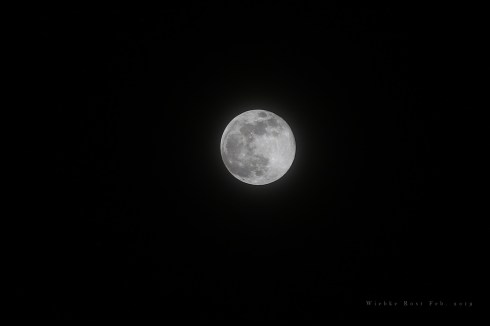


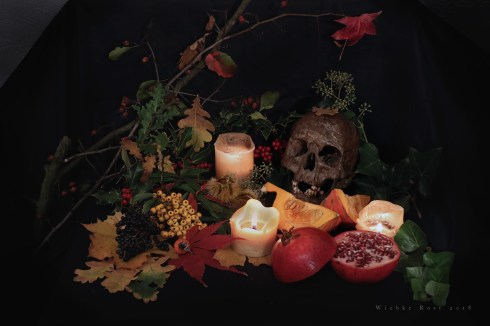
Fall 2018
5 NovFall is here, death is here, but the flowers keep on flowering
-

- Calendula, blooming into late autumn
-
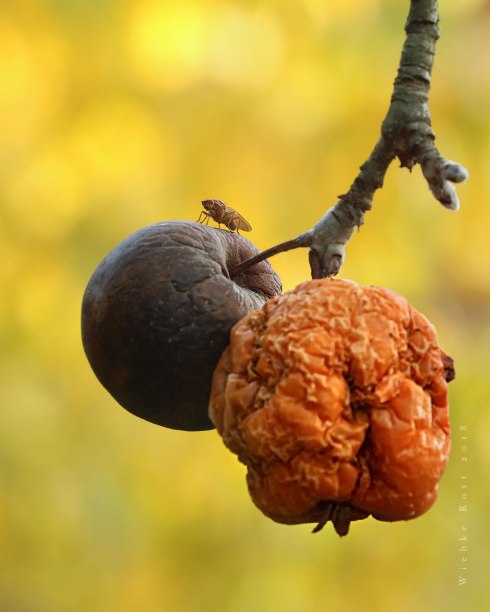
- Apple tree, late autumn
-
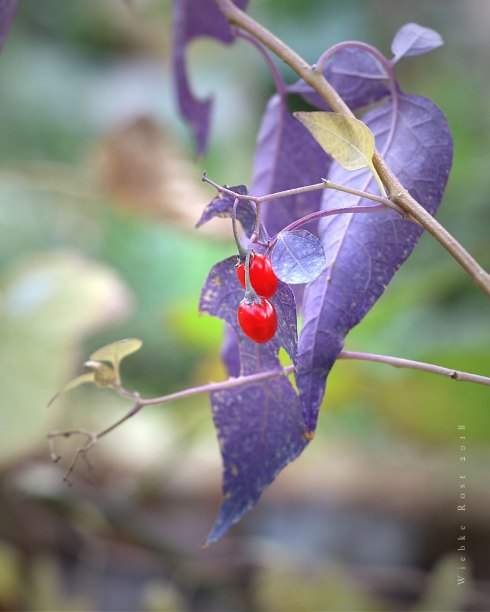
- Bittersweet
-

- Lily of the Valley
-
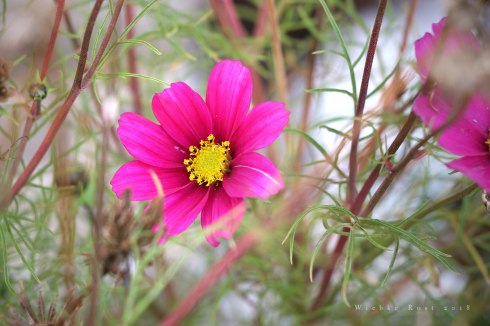
- Schmuckkörbchen
Samhain Celebration III
2 NovAn Evening of Dark Art and Music (originally posted on teufelskunst.com)
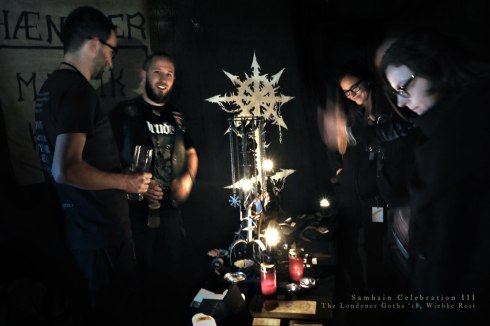
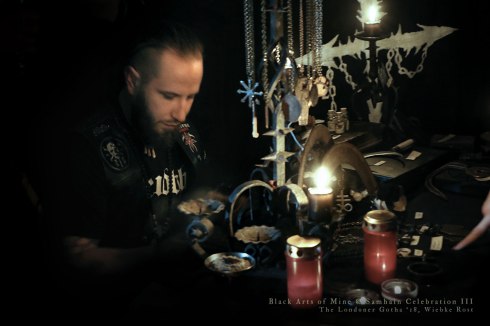
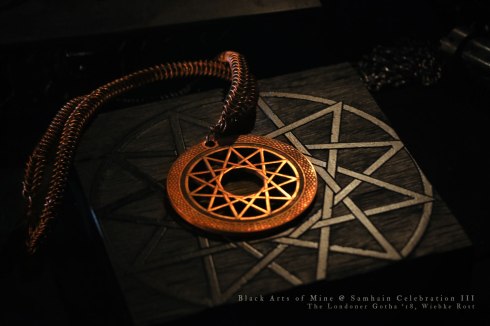
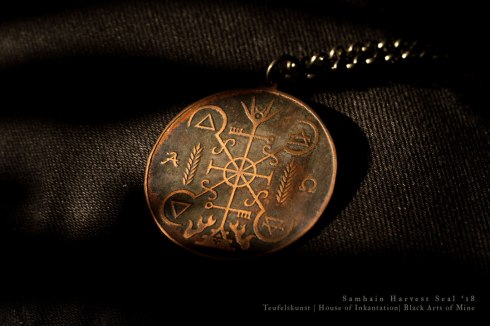
The third Samhain Celebration combined again some of the best black metal as well as exclusive hand-made art. Ybenhain offered resin jewelry and items made of forest finds. You can check out the creations at the Ybenhain Instagram. In contrast, Black Arts of Mine creates all things from metal and bone. He contributed etched copper pendants and pins with the Samhain Harvest Seal for the event. Noteworthy, the precision work on a copper hendecagram (see below). Weird, the metal chest with a fly engraving, housing a steel cased vial filled with a dozen dead flies. For more please visit the Black Arts of Mine Instagram. I myself contributed new art editions as well as an ever growing assortment of incense blends.
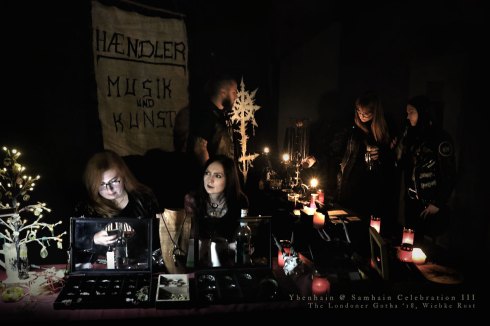
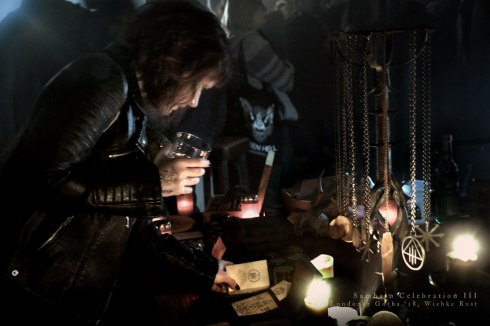
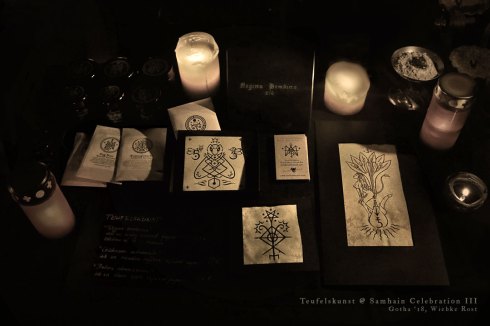
A reason for people to travel as far as from the States were the bands. I was able to take a few snapshots of Turia, and the Mosaic feat. Schwadorf set as well as Fyrnask.
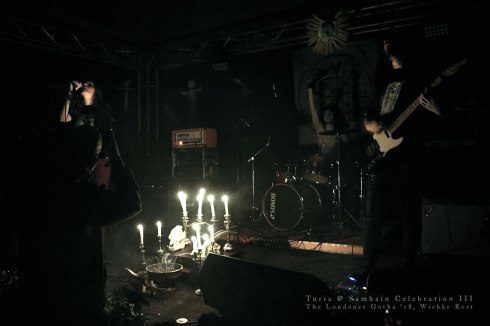

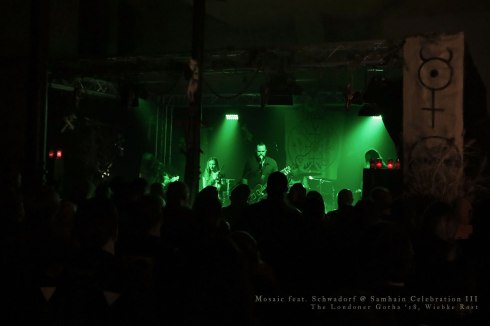
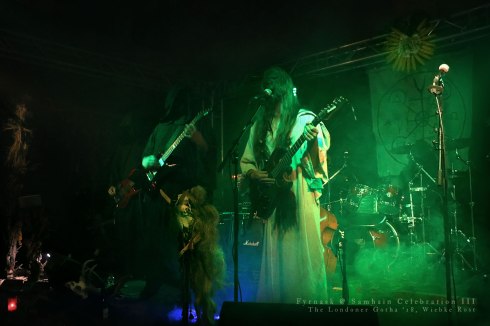
Signature feature and fundament for the evening’s special atmosphere, always appreciated by the audience, is the unique stage, annually adorned with reeds, ivy, chestnut garlands, corn dolls, carved skulls and this year’s corn sun. Connecting it all since three years is the Seal of the Harvest in the back, which I once designed for the event.
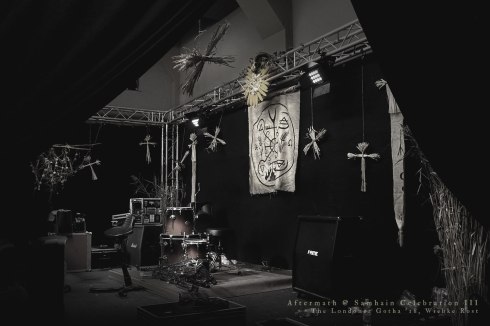
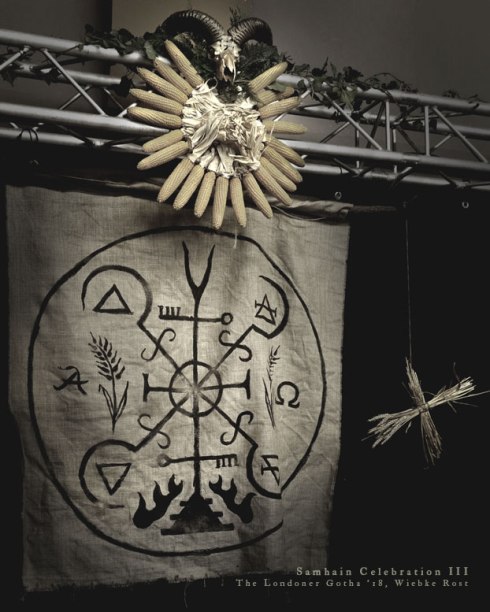
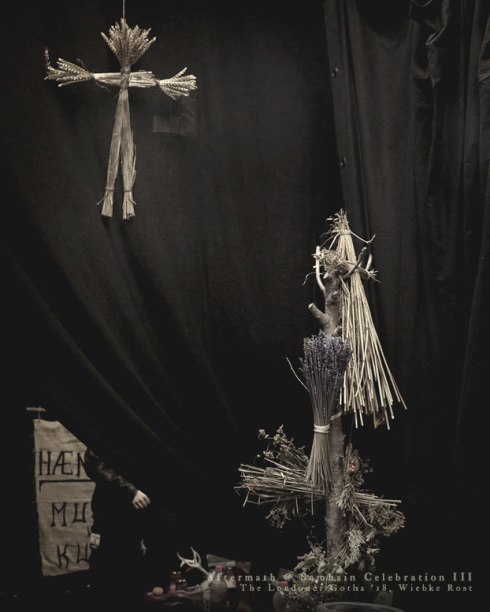
The Samhain Celebration in Gotha is one of those rare occasions where I can show presence with my art and meet like-minded people. It is a unique combination of art, tradition, music and spirit, which both is highly satisfying for the performers as well as the audience. Making it all possible are the people of The House of Inkantation, Eisenwald and a handful of helpers.