
Moos-Monat
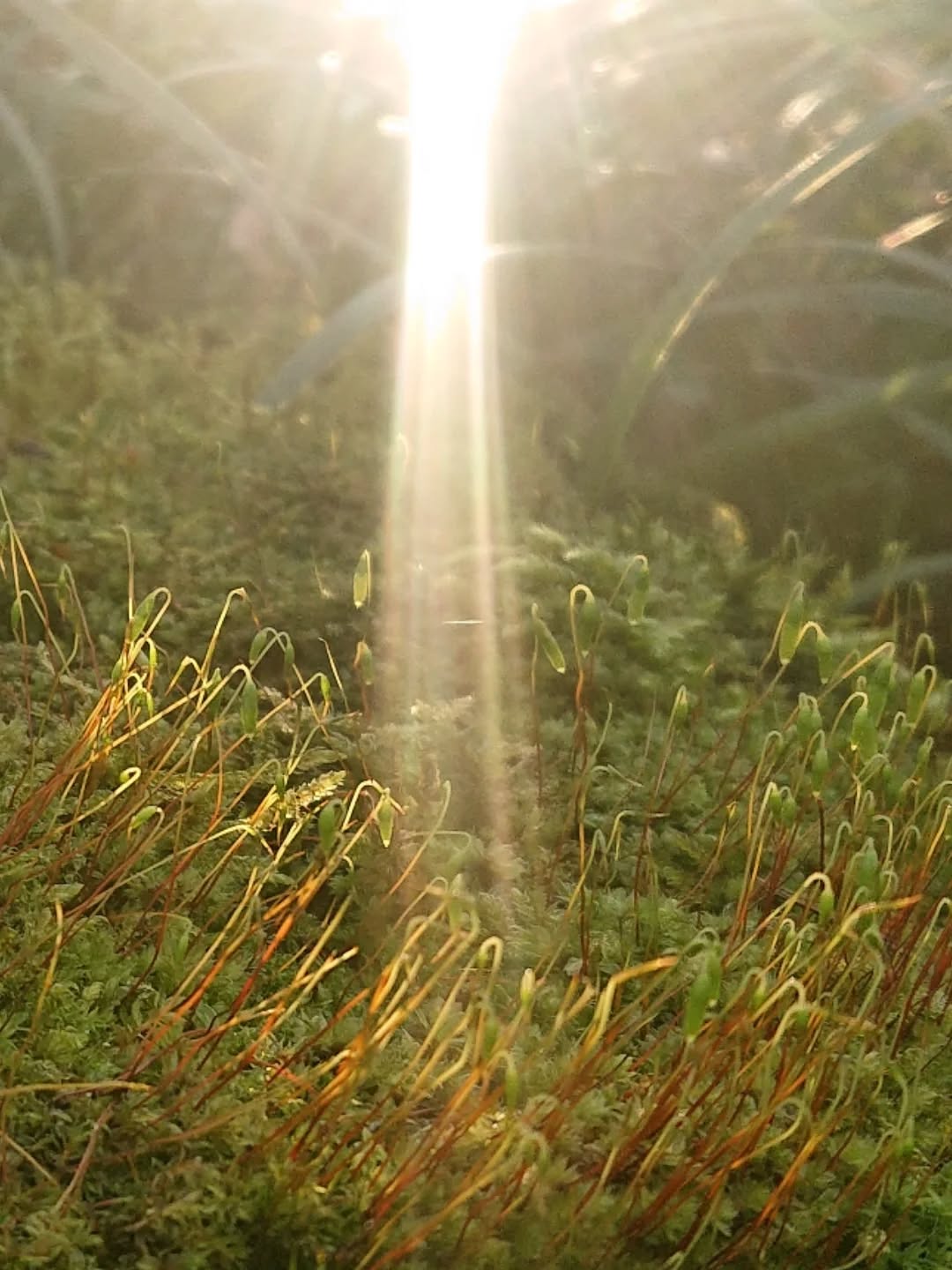
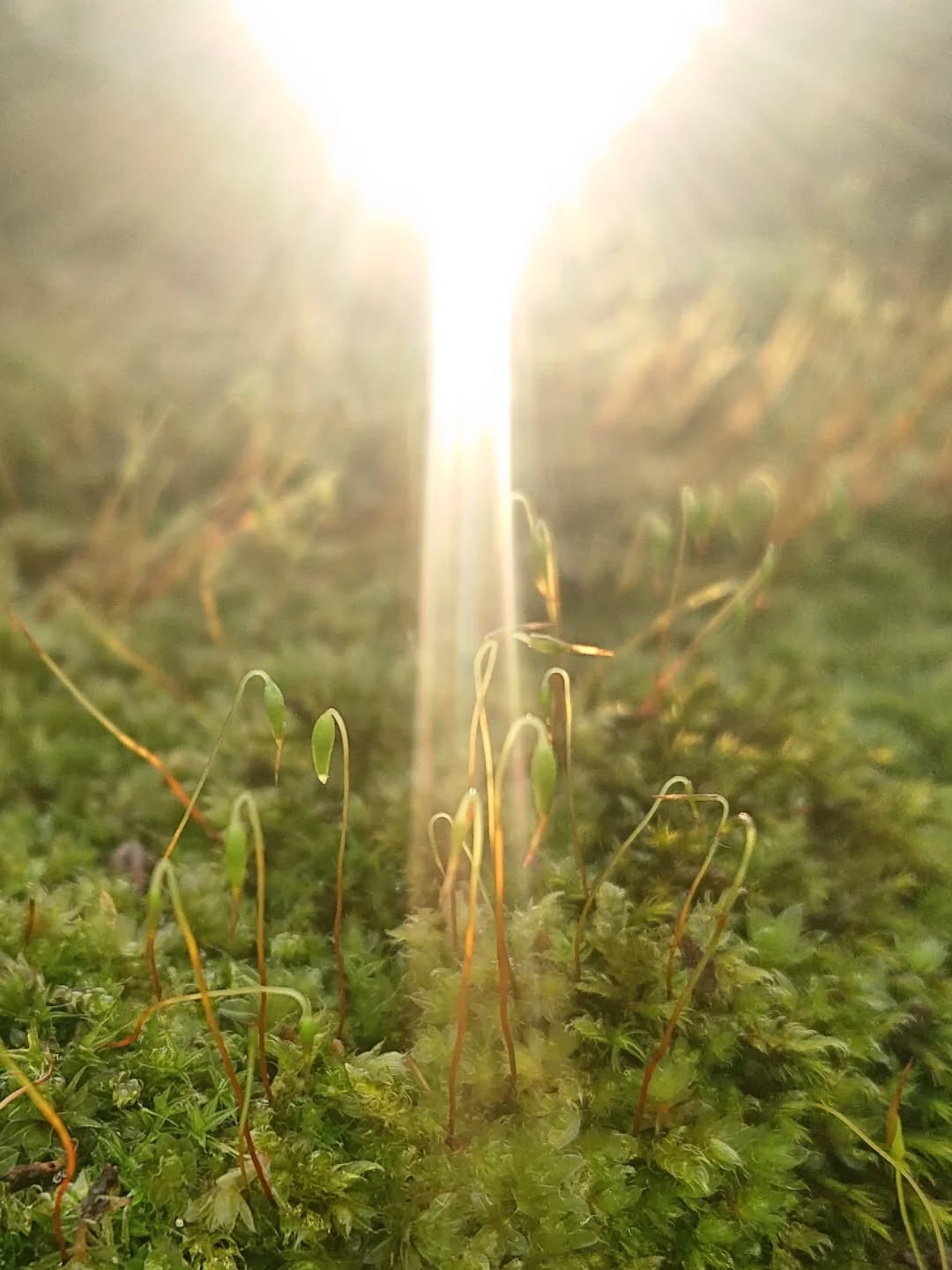
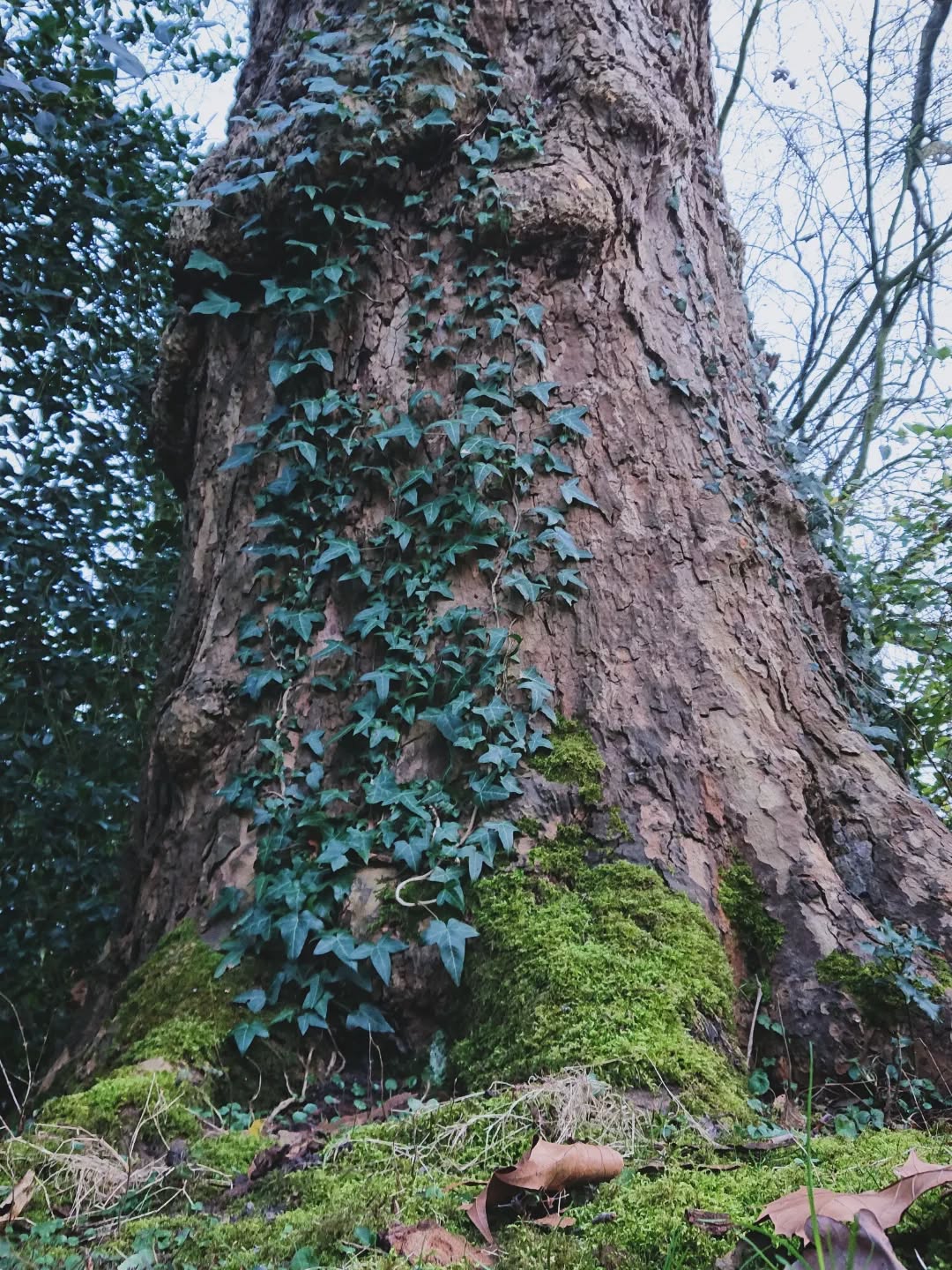
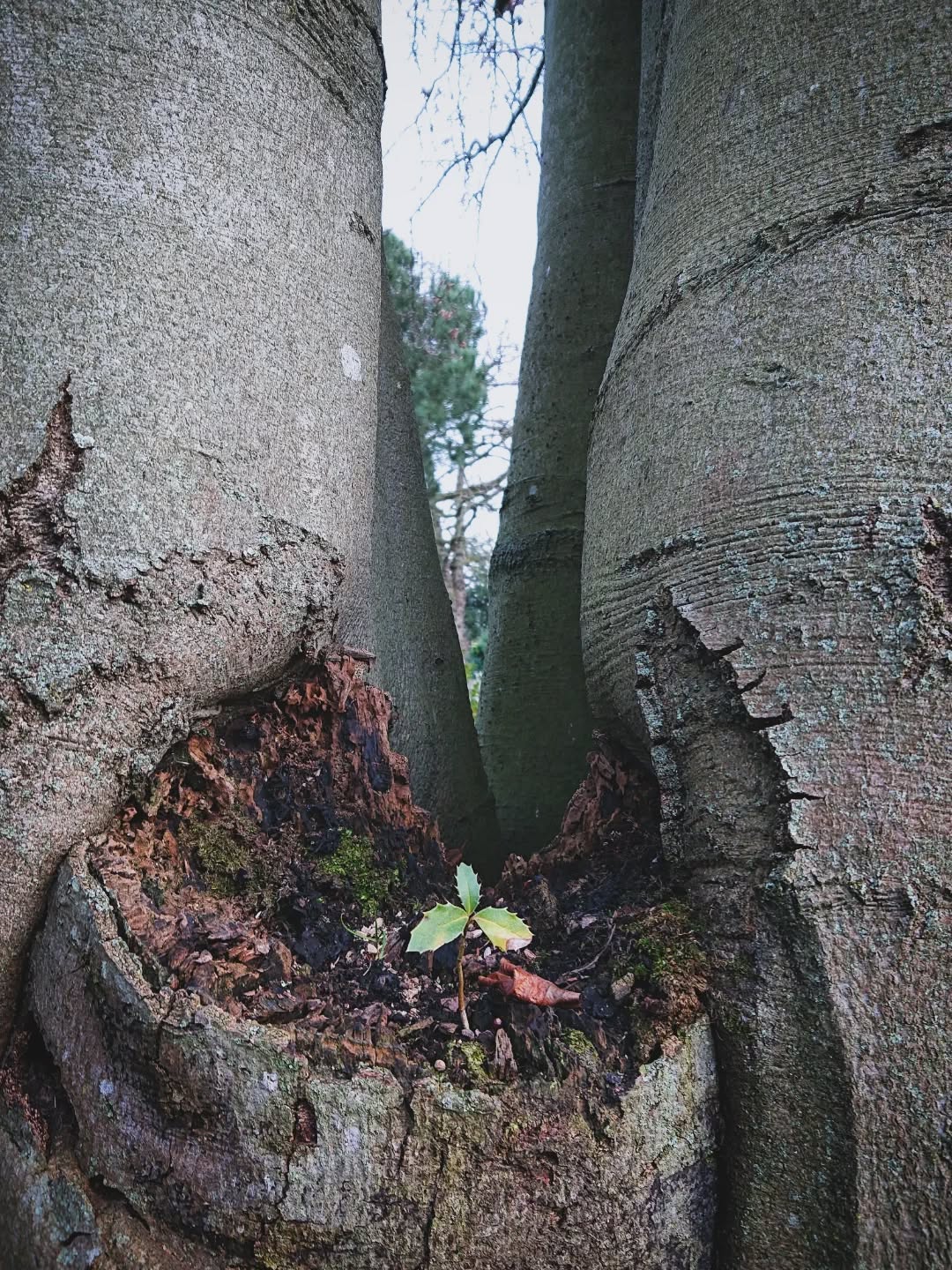
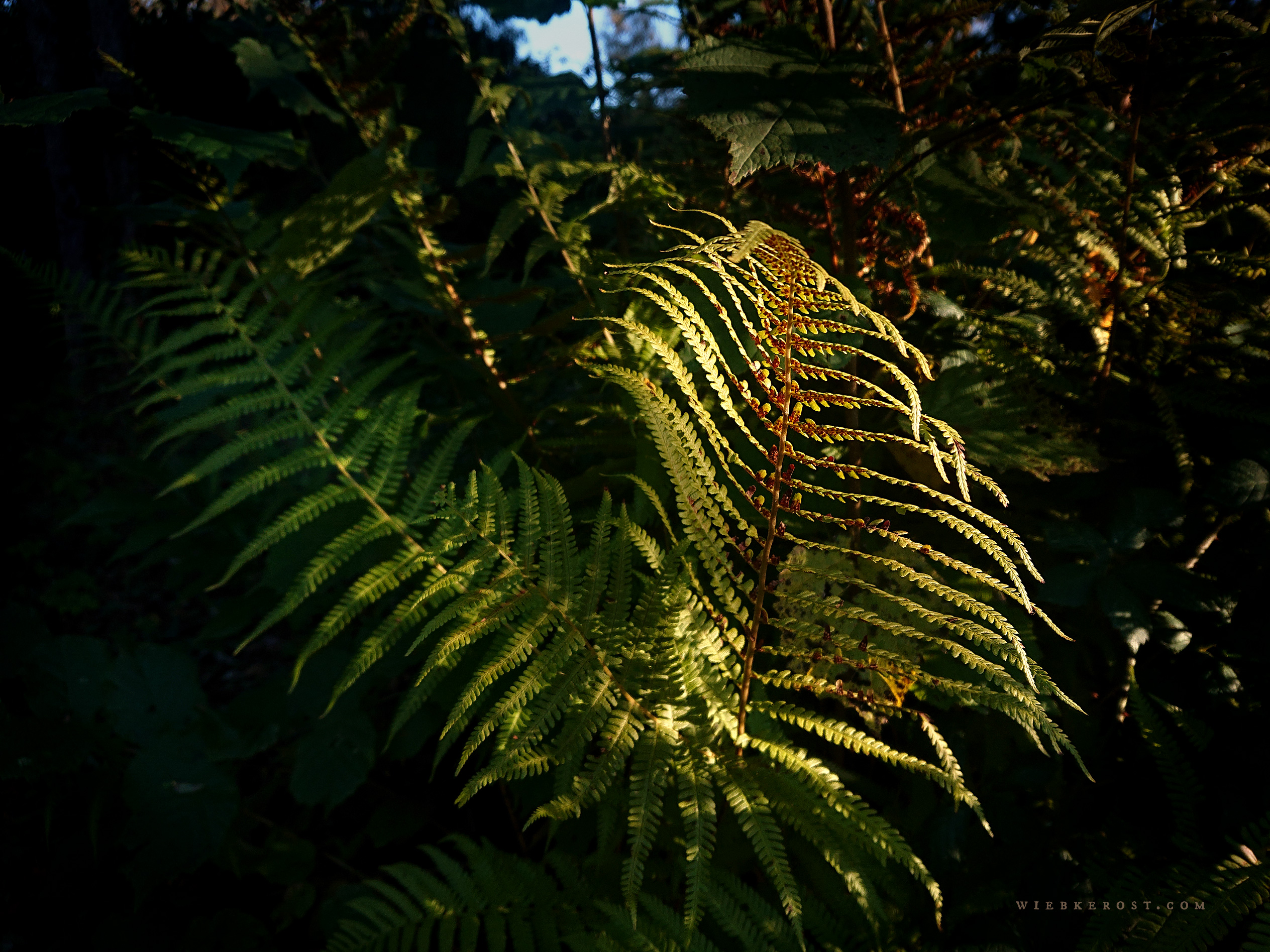
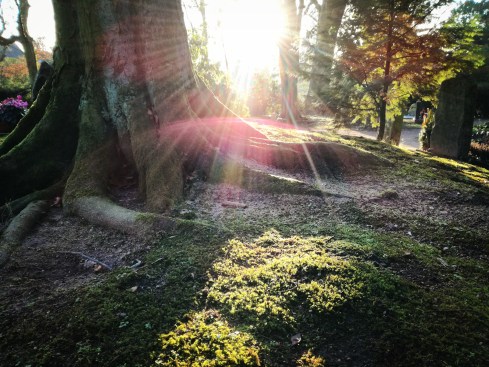
Das frische grüne Moos glänzt im Licht der reinigenden Februarsonne
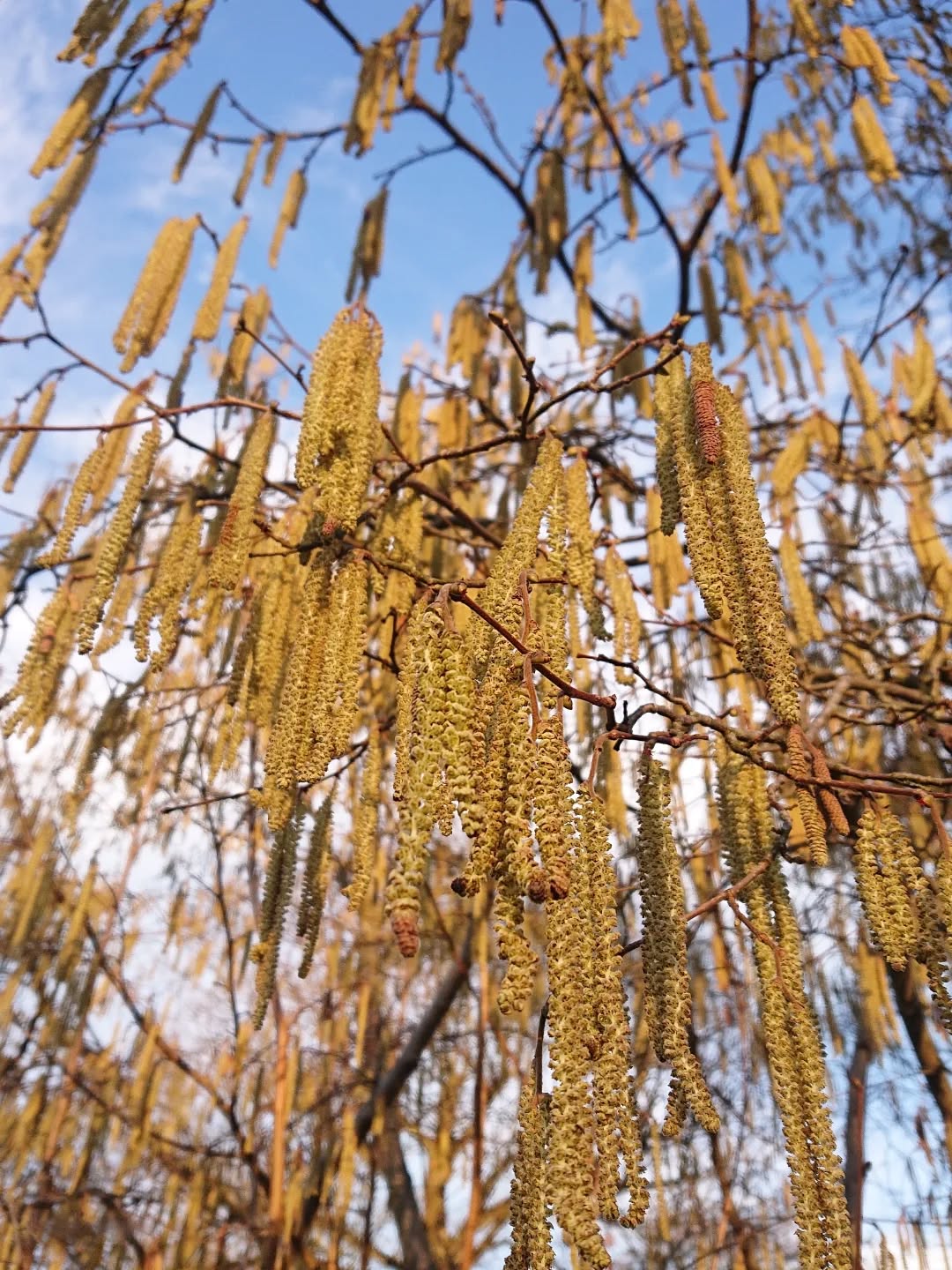
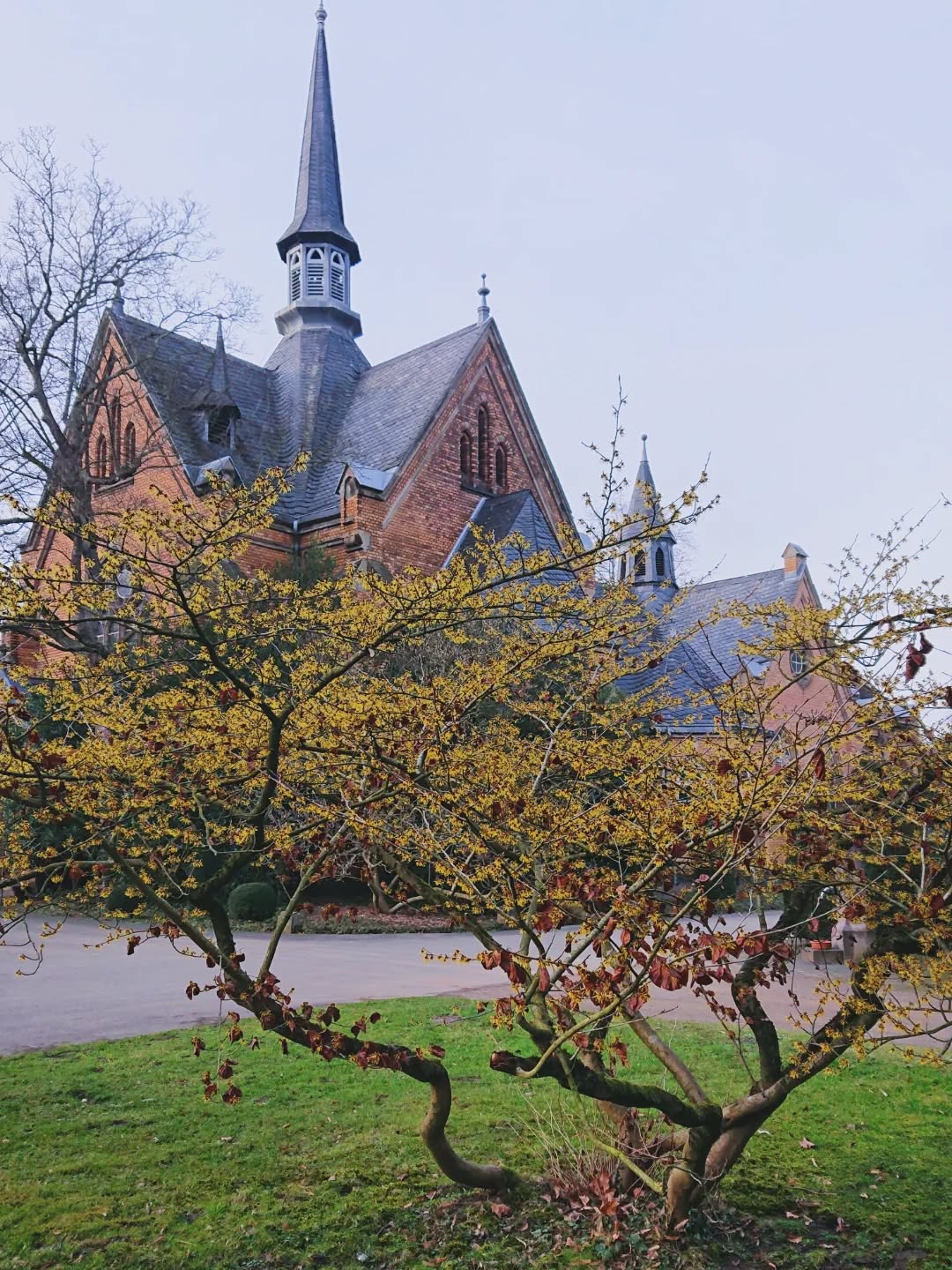
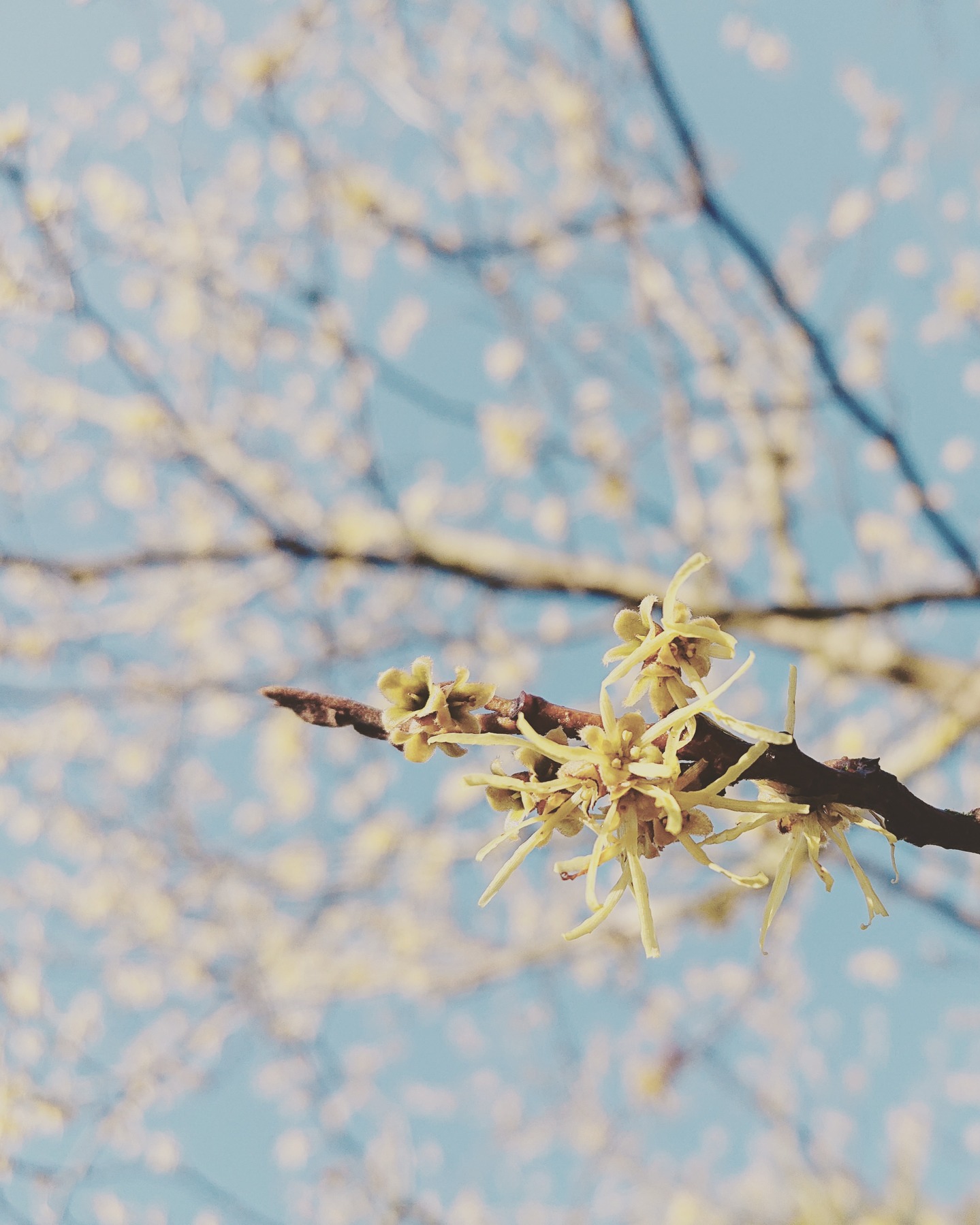
Die goldenen Kätzchen der Hasel gleichen dem Goldregen, mit dem Frau Holle ihre treue Dienerin segnet
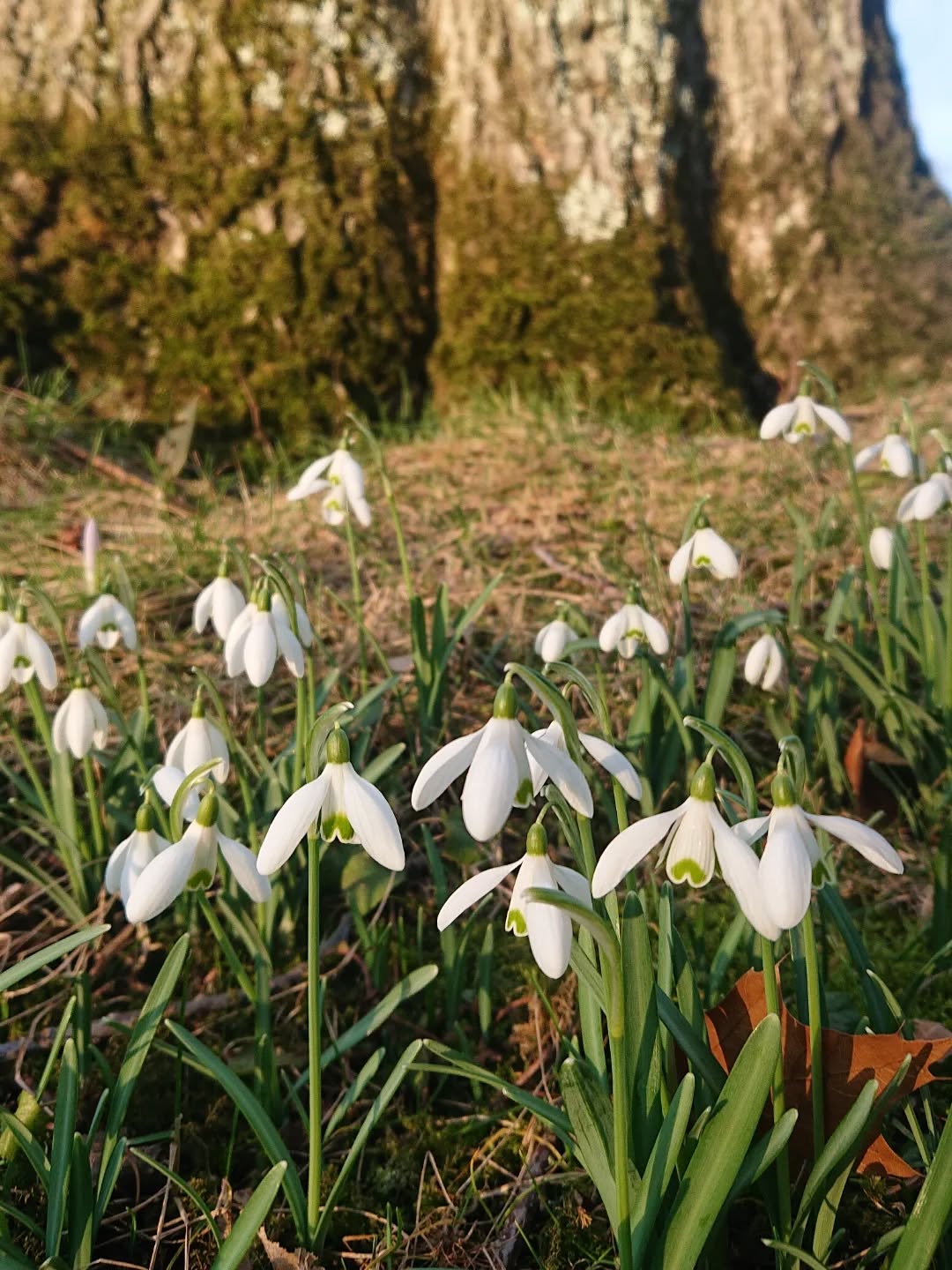
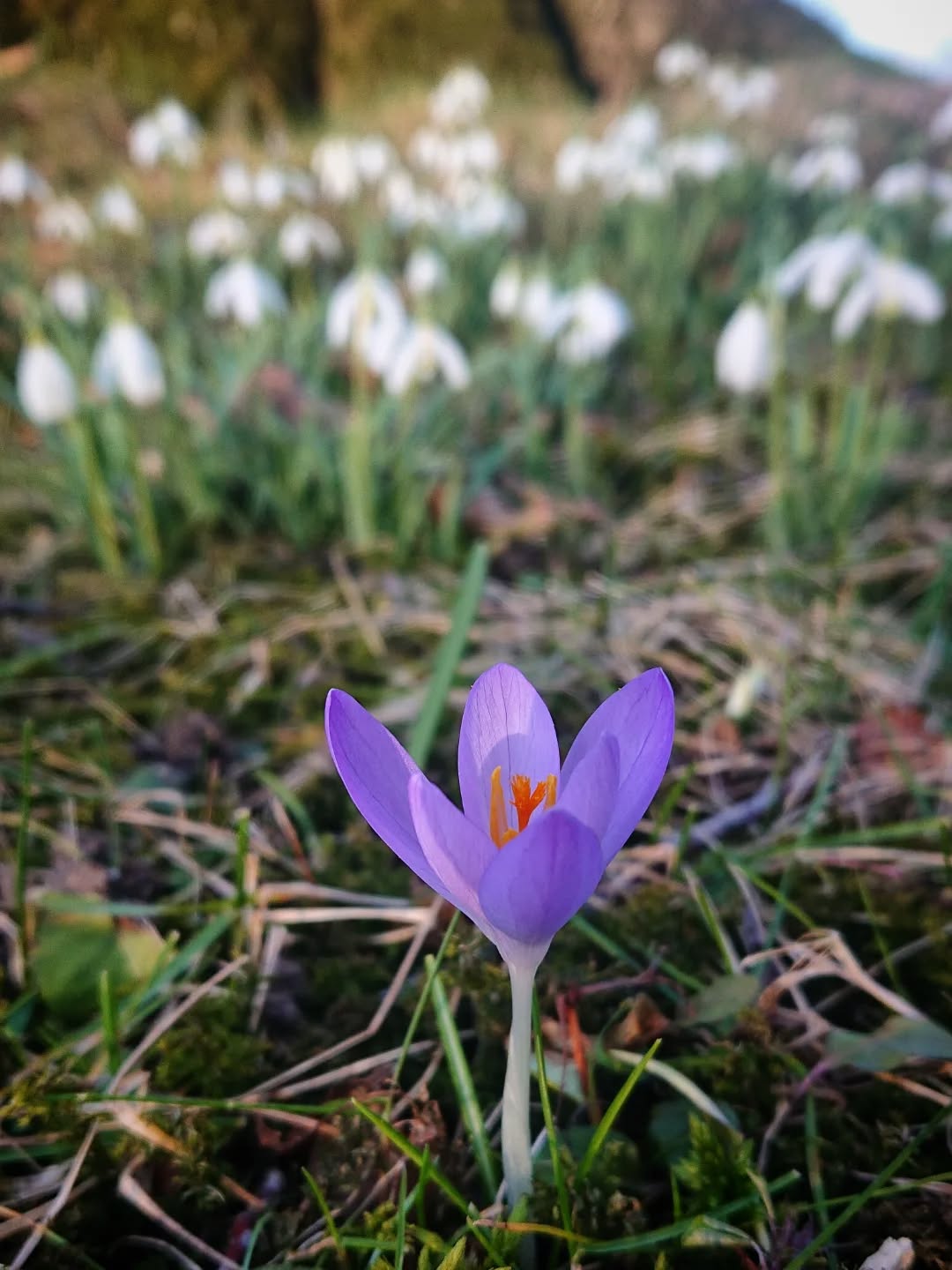
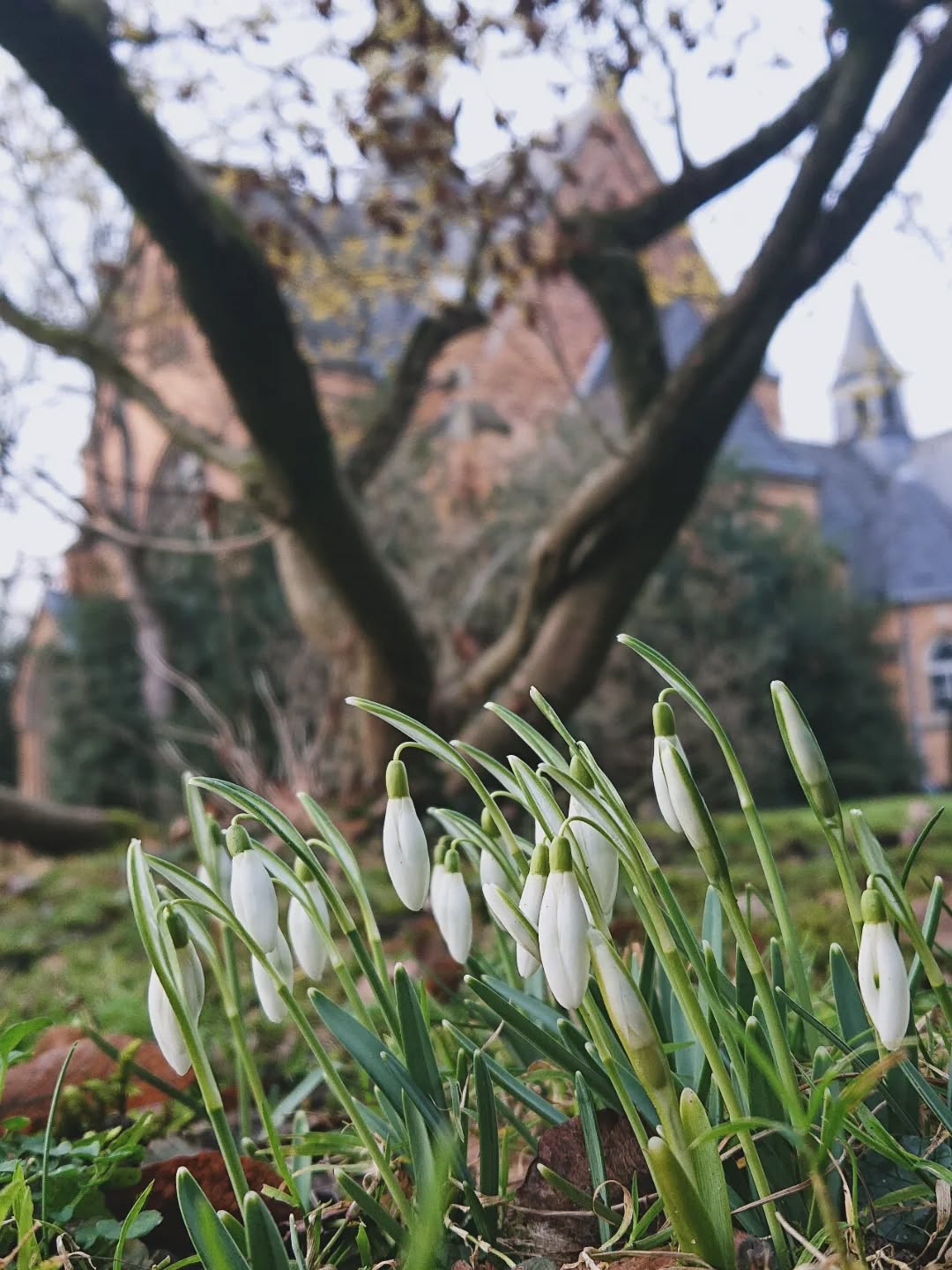
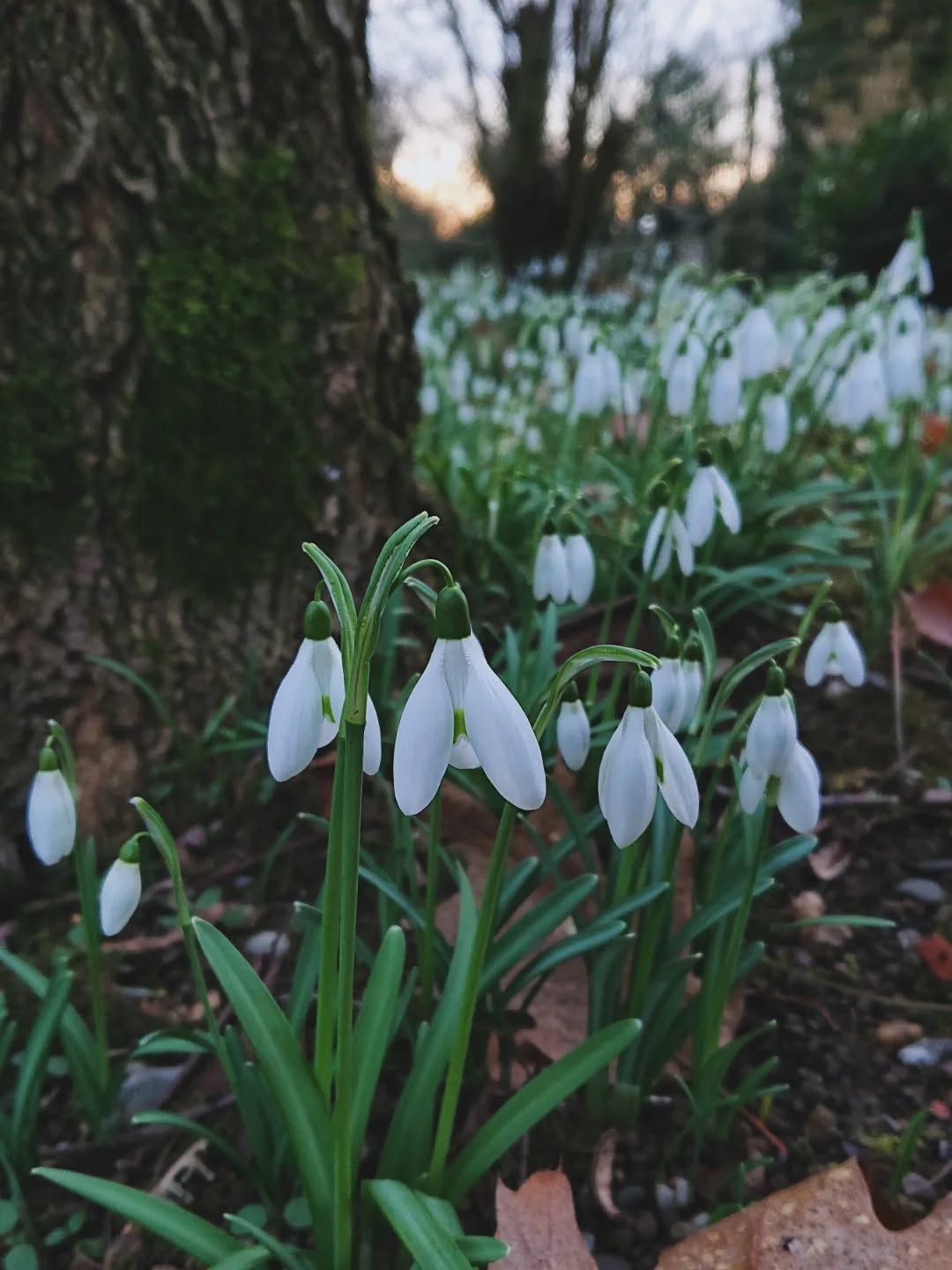
Frau Holle hat sich verjüngt und sendet ihre ersten Frühlingsboten
Moos-Monat
Das frische grüne Moos glänzt im Licht der reinigenden Februarsonne
Die goldenen Kätzchen der Hasel gleichen dem Goldregen, mit dem Frau Holle ihre treue Dienerin segnet
Frau Holle hat sich verjüngt und sendet ihre ersten Frühlingsboten


Der von Osten
meinem Garten anvertraut,
Gibt geheimen Sinn zu kosten,
Wie’s den Wissenden erbaut.
Ist es ein lebendig Wesen,
Das sich in sich selbst getrennt?
Sind es zwei die sich erlesen,
Daß man sie als eines kennt?
Solche Frage zu erwidern,
Fand ich wohl den rechten Sinn;
Fühlst du nicht an meinen Liedern,
Daß ich eins und doppelt bin?
J. W. Goethe
“Der Heilige Geist und die Natur sind eins: Täglich ist die Natur ein Licht aus dem Heiligen Geist und lernt von ihm, also kommt es im Menschen während der Tiefe der Nacht. Das Wissen der kalten Vernunft hat verblendet das Licht der Weisheit und das Licht der Natur; so herrscht eine fremde Doktrin und hat beider Erkenntnis zwischen Stühle und Bänke gesetzt. Die dieser fremden Doktrin anhängen, versuchen die Wahrheit beider Lichter zu verdunkeln und wollen sogar das Licht des Ewigen und der Natur auslöschen.
Nun merkt, dass Christus und die Seinen dem Licht der Natur nichts genommen haben, aber die Scholare mit ihrem pharisäischen Sauerteig wollen der Natur ihre Macht brechen und nehmen, und zwar weil sie selbst weder Christus nachfolgen noch dem natürlichen Licht. Sie sind die Toten, die die Toten begraben. Kein Leben ist in ihrem Tun, denn sie lernen weder etwas vom Licht der Ewigkeit noch vom Licht der Natur und wollen’s doch beide sein.
In der Natur ist ein Licht, das heller scheint als das Licht der Sonne; in diesem Licht werden die unsichtbaren Dinge sichtbar”
PARACELSUS “Vom Licht der Natur und des Geistes”

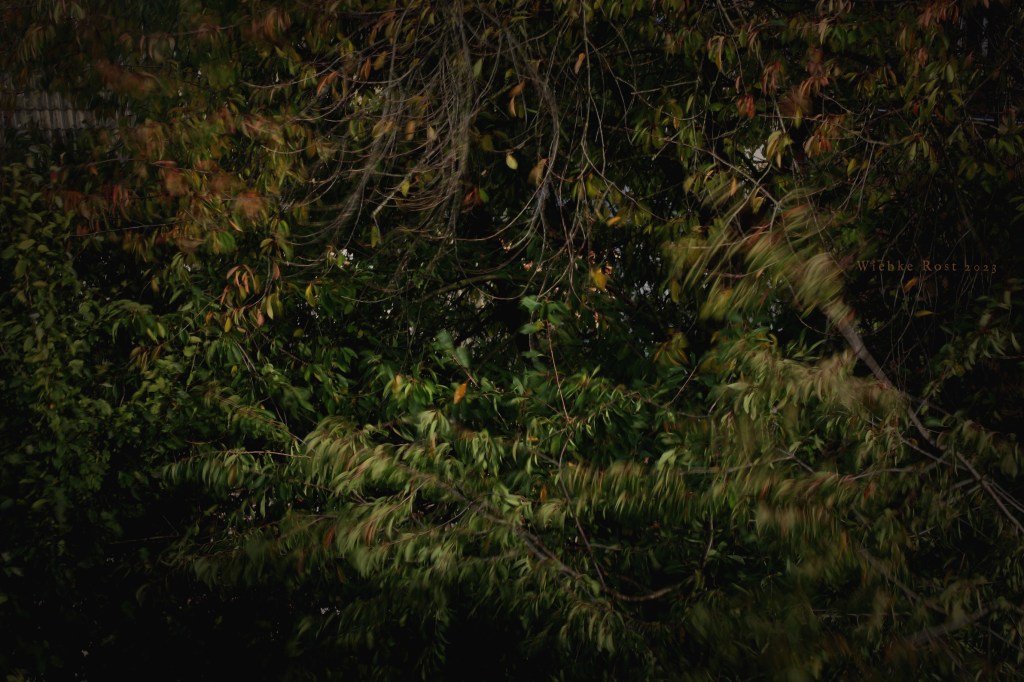

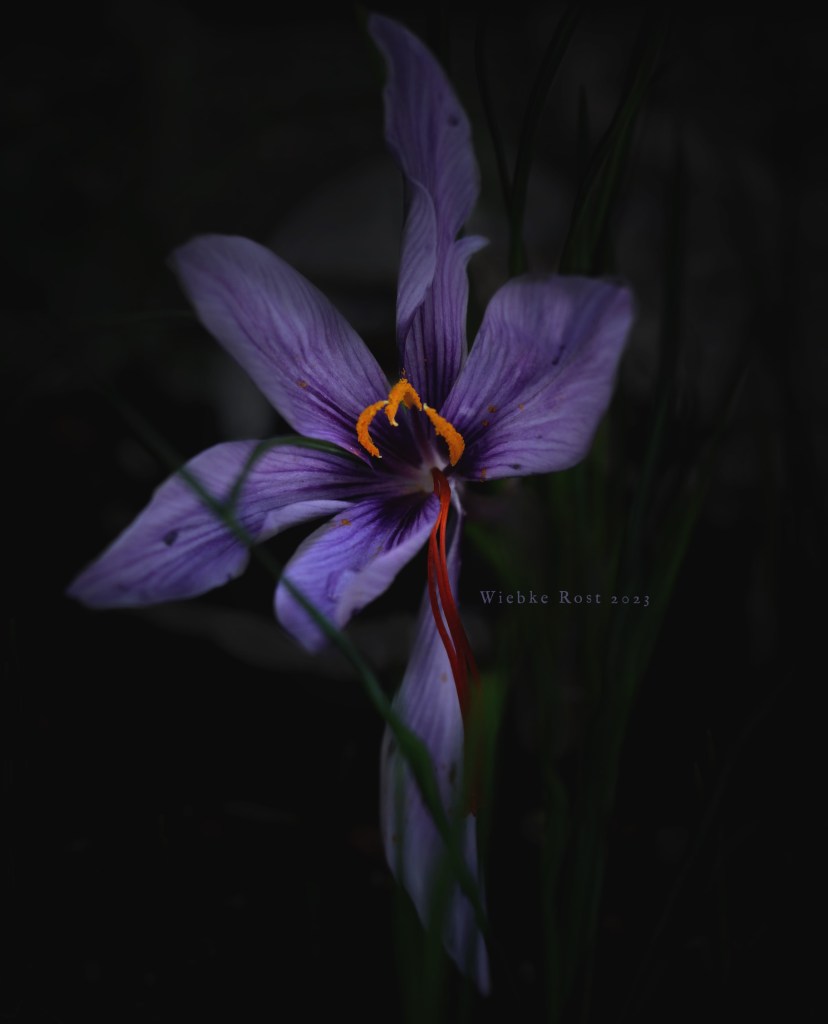
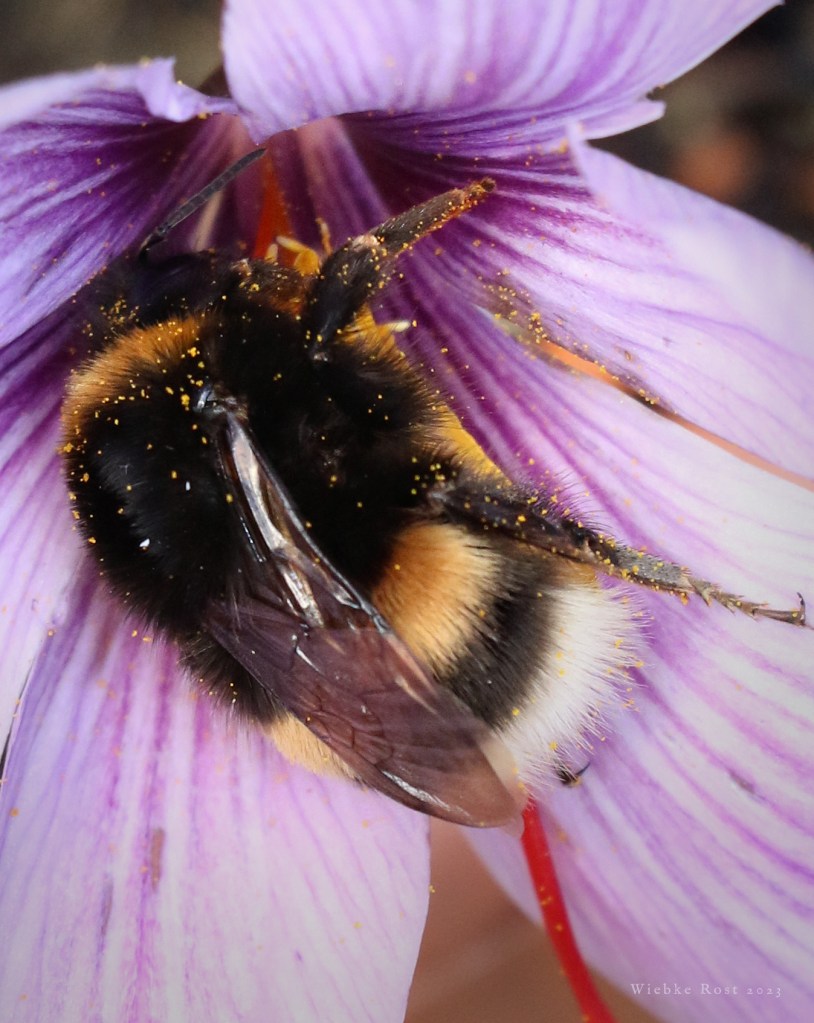
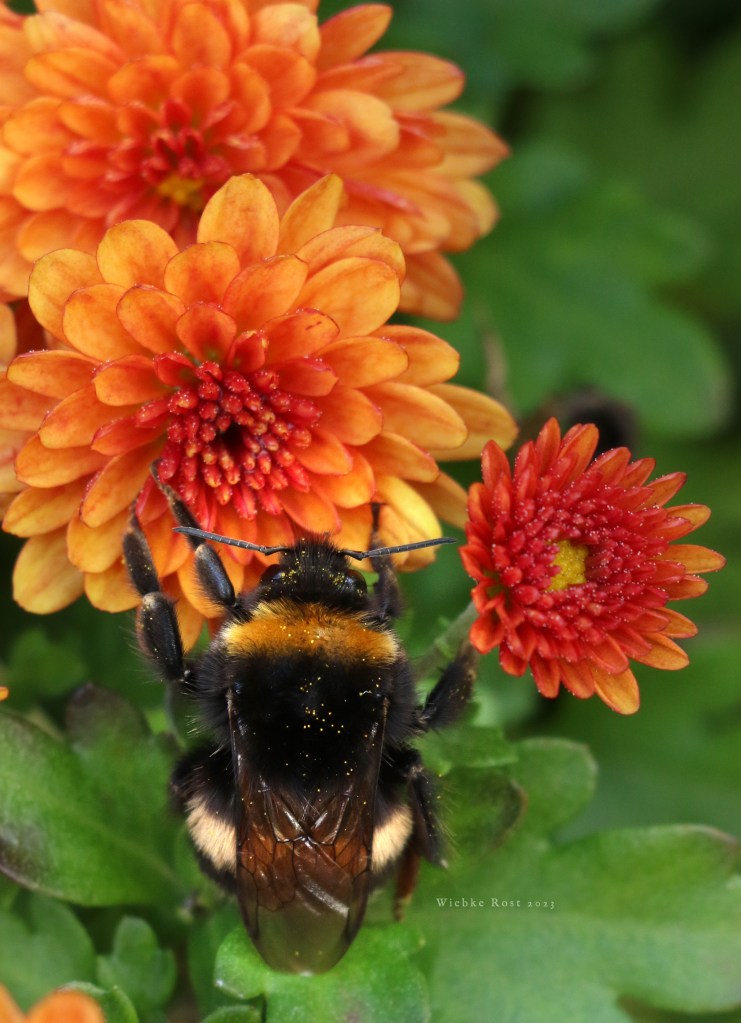
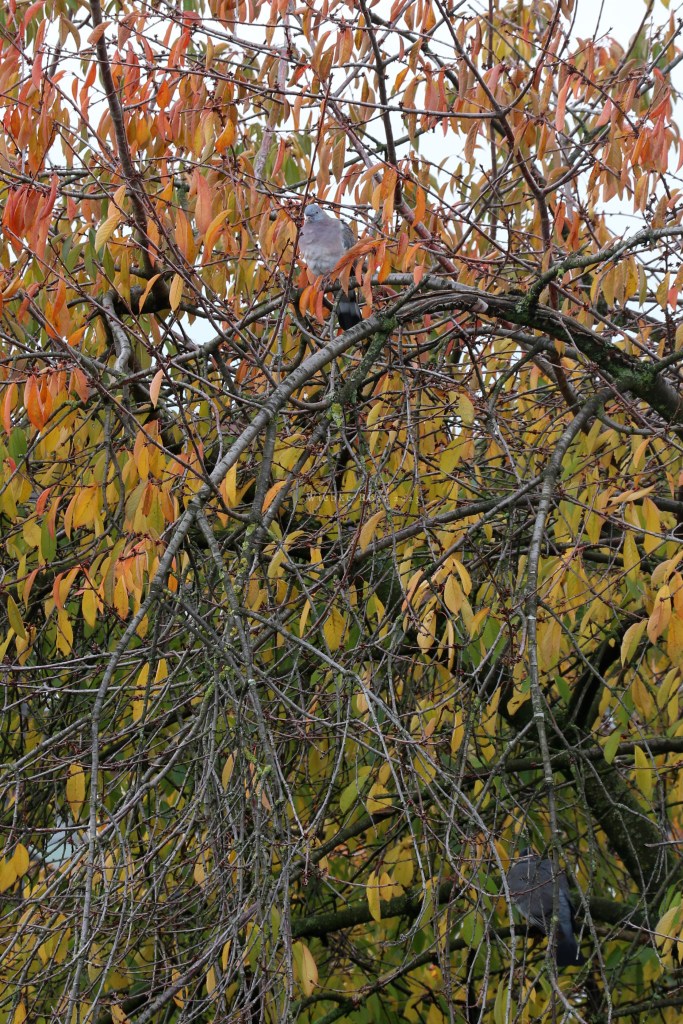



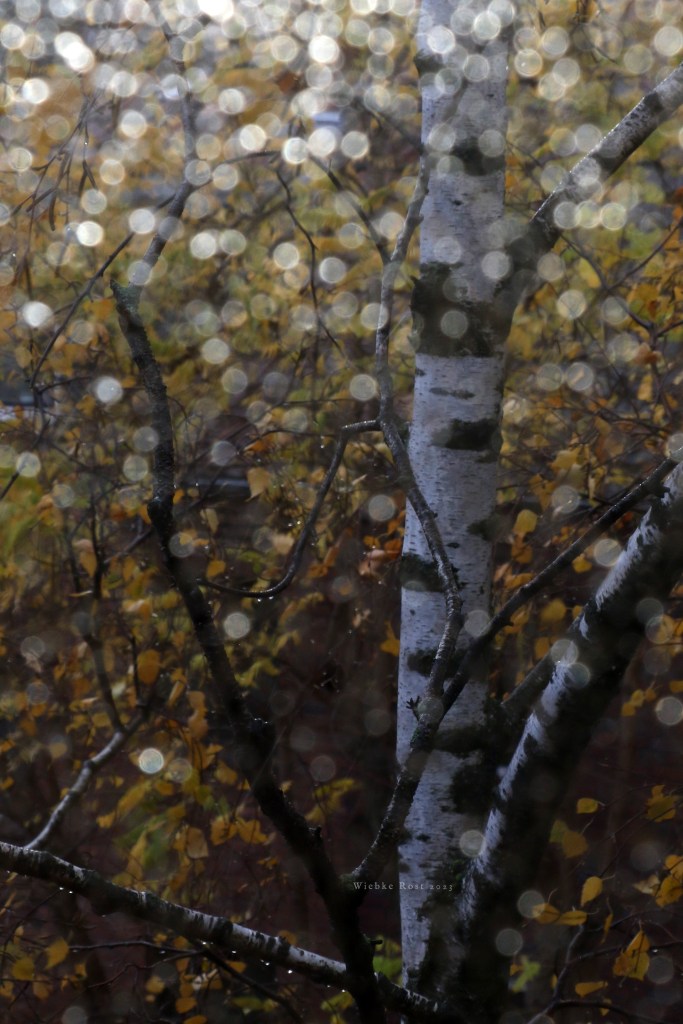

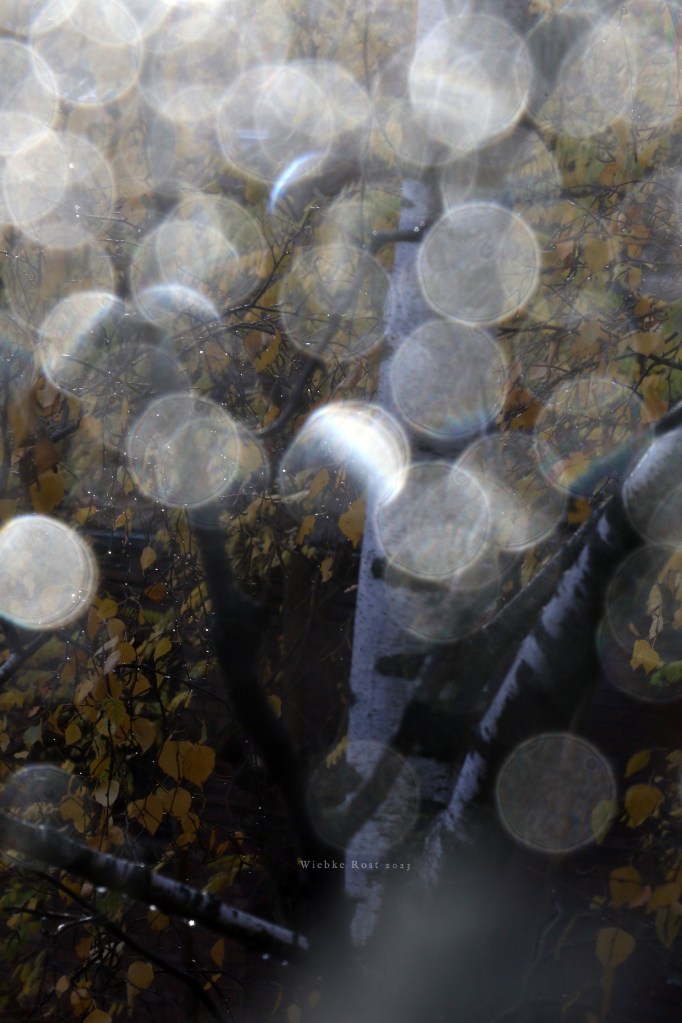

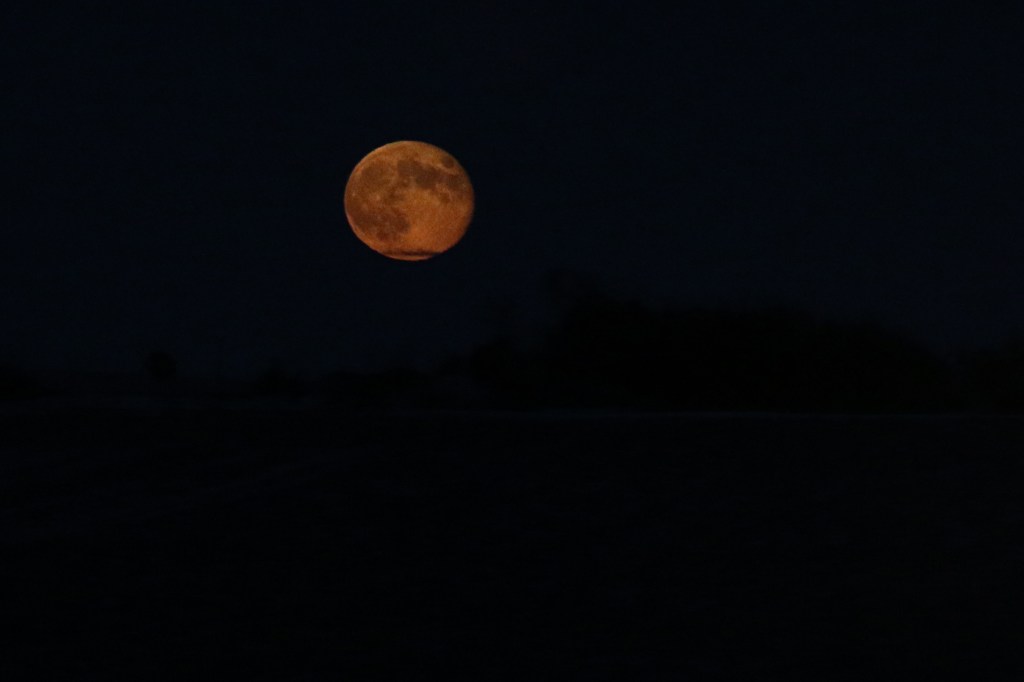
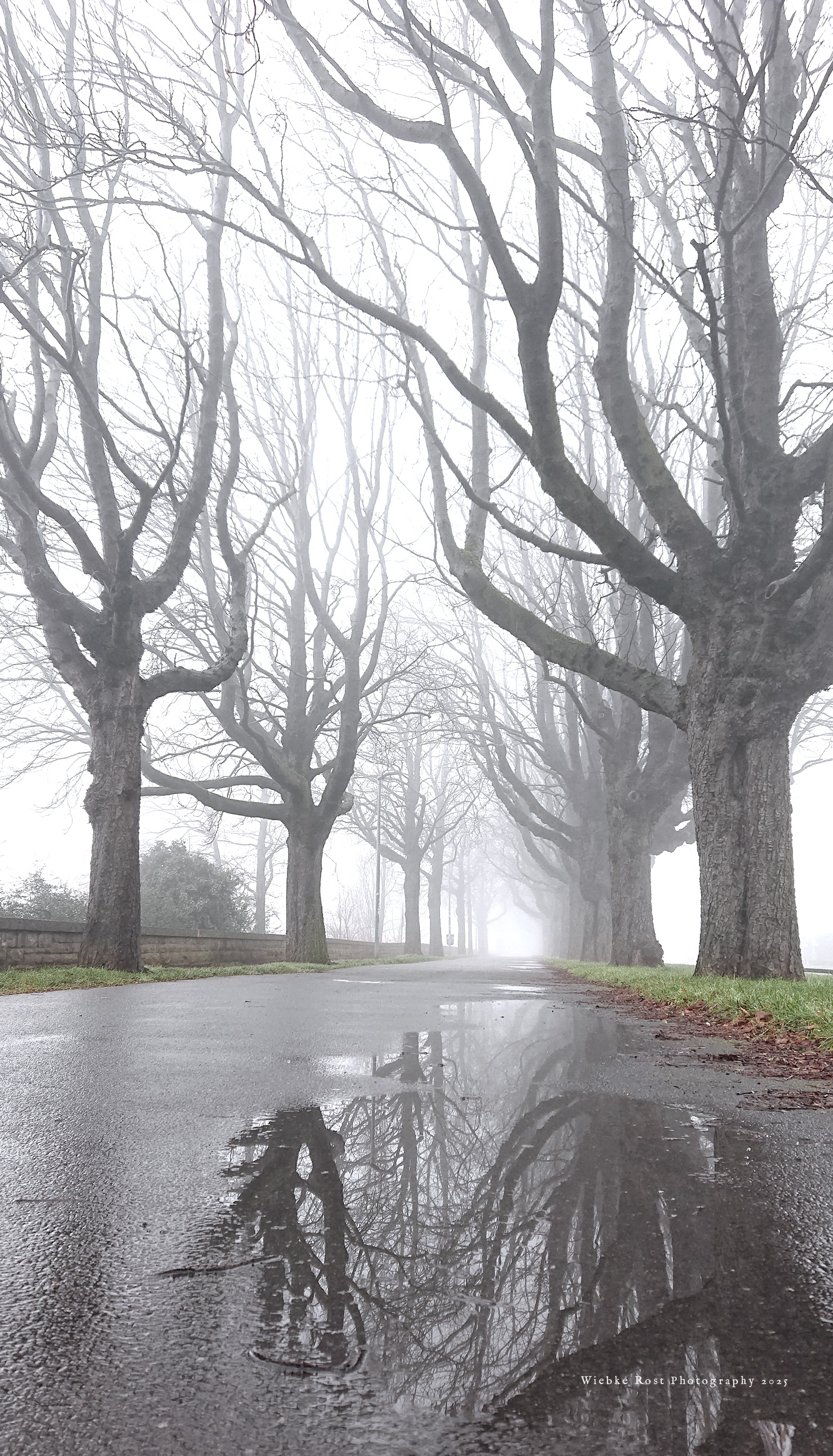
November impressions – macro and close-up, rain drops, long exposure, motion blur and bokeh effect
November is named so because it used to be the ninth month in the Roman calendar. It is also known as Windmond, Wintermonat and Nebelung. It is the darkest month, hostile and chaotic. It brings storms, disorder and weird dreams. The November full moon is also known as freezing moon or frost moon and beaver moon.
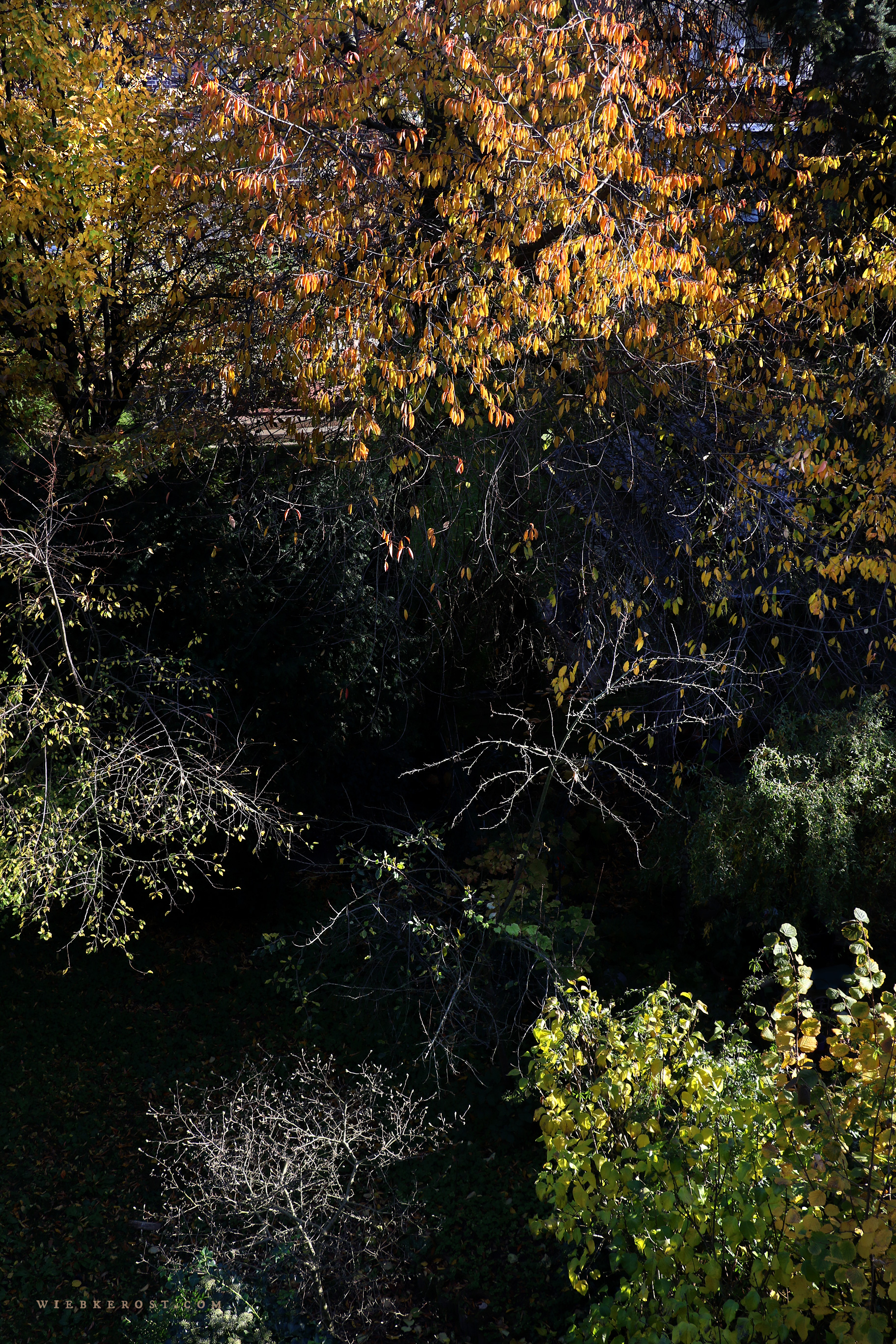
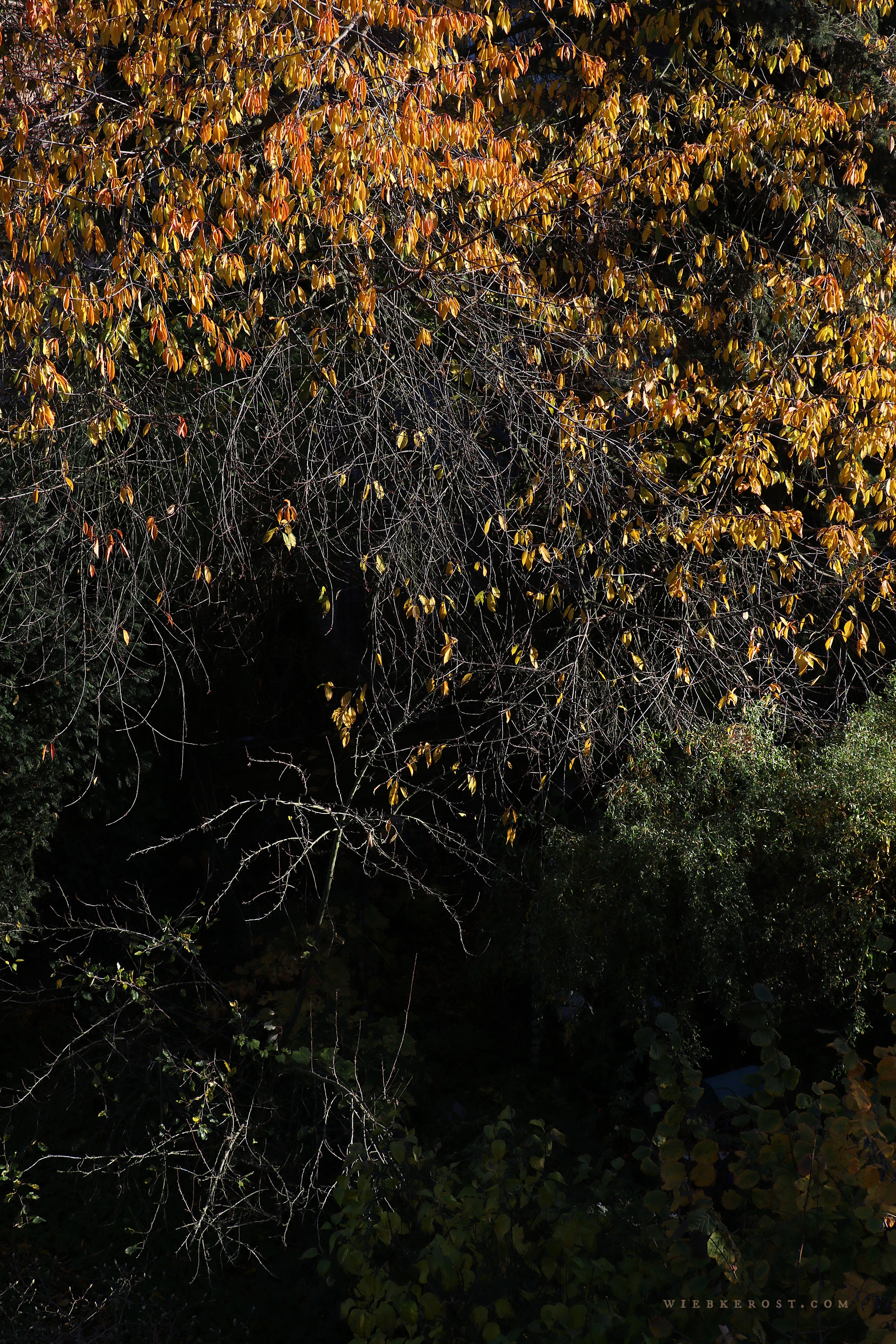
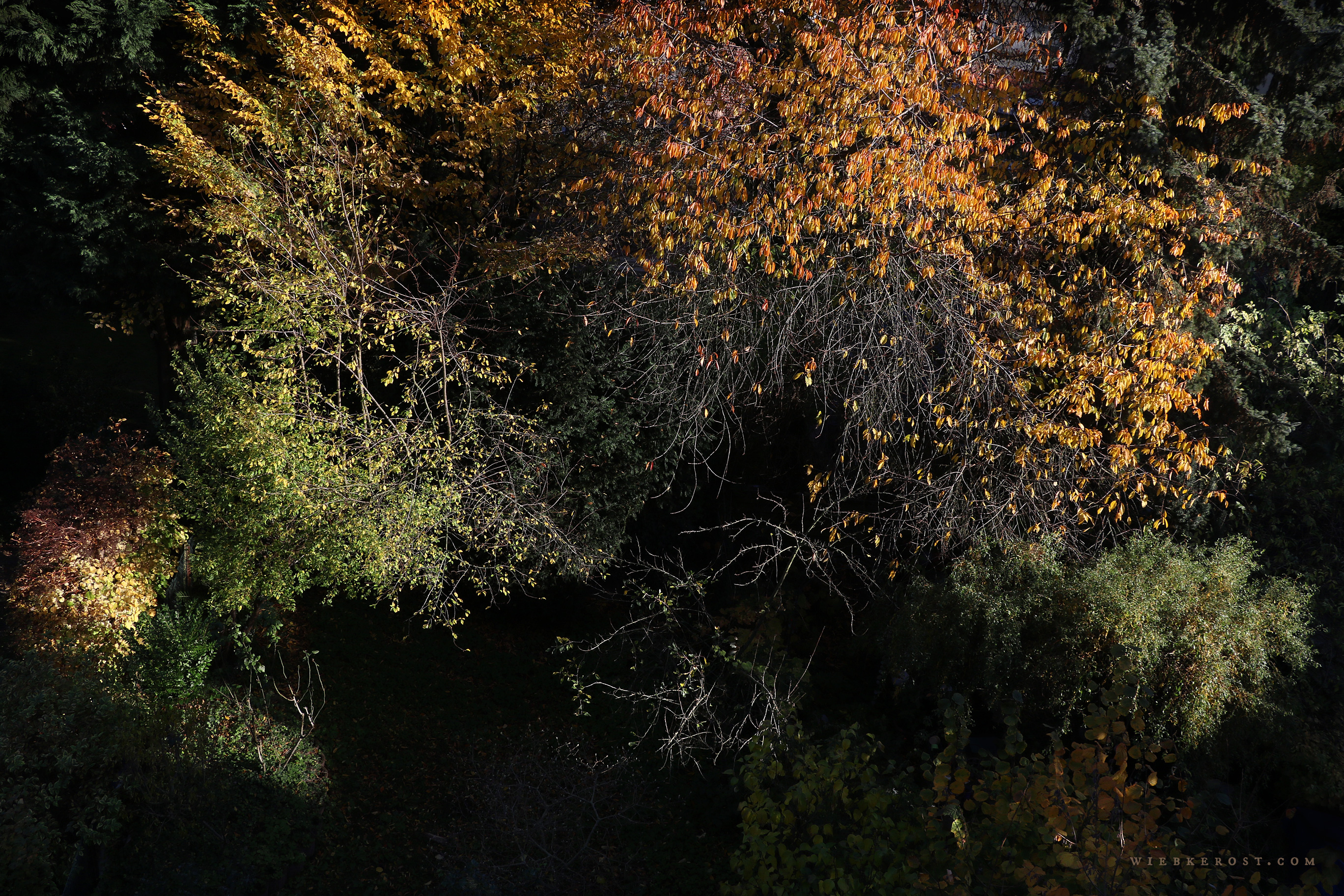
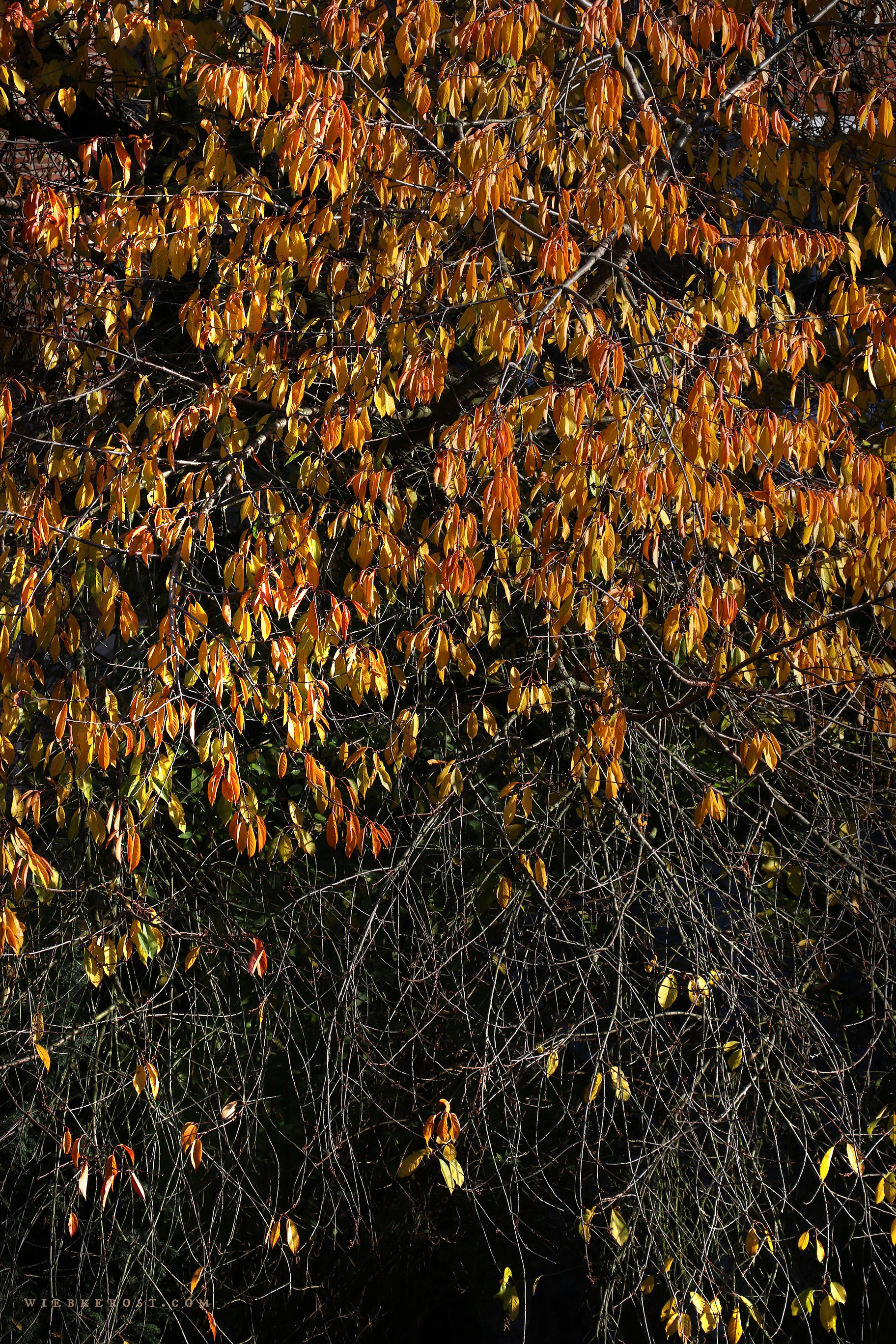
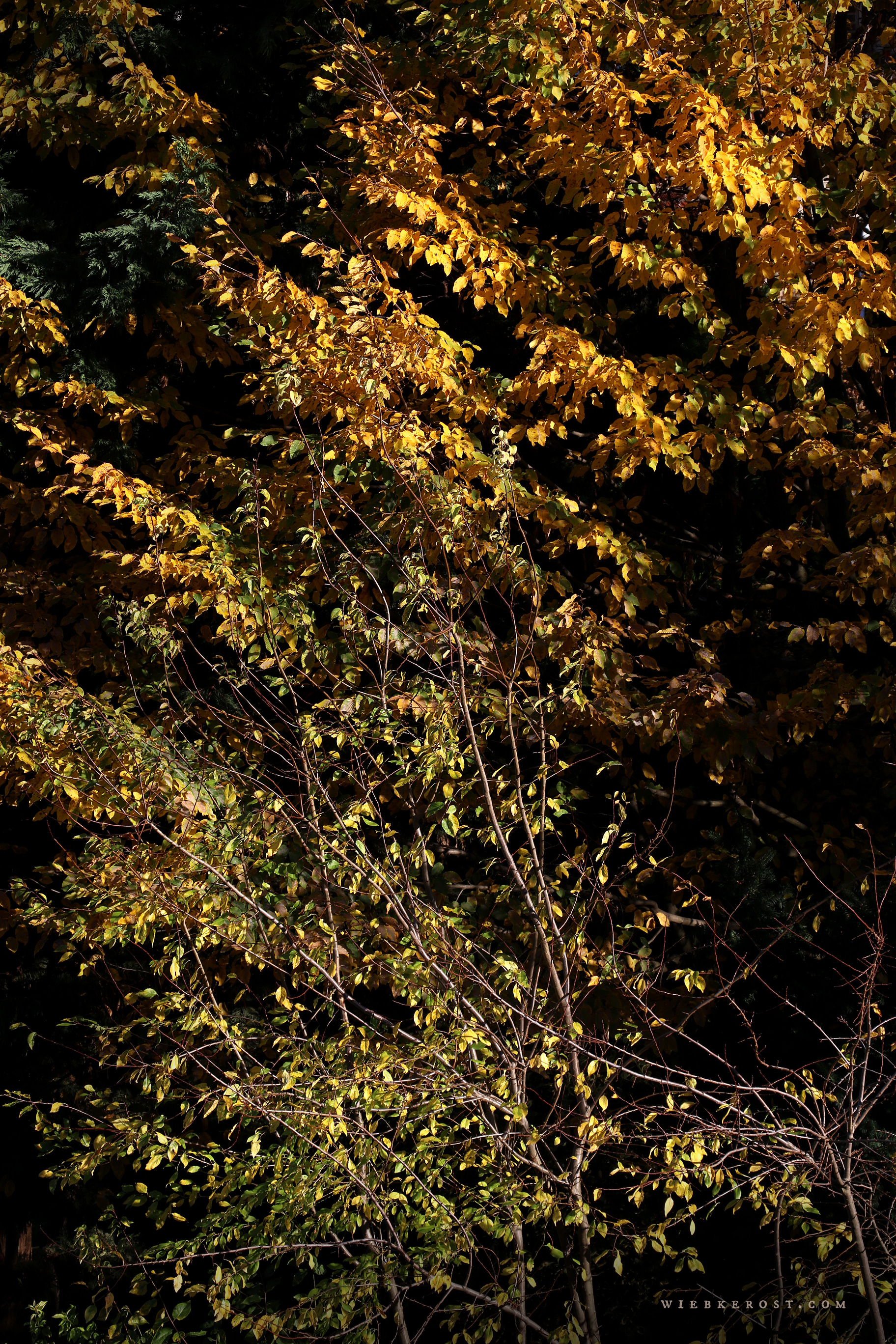
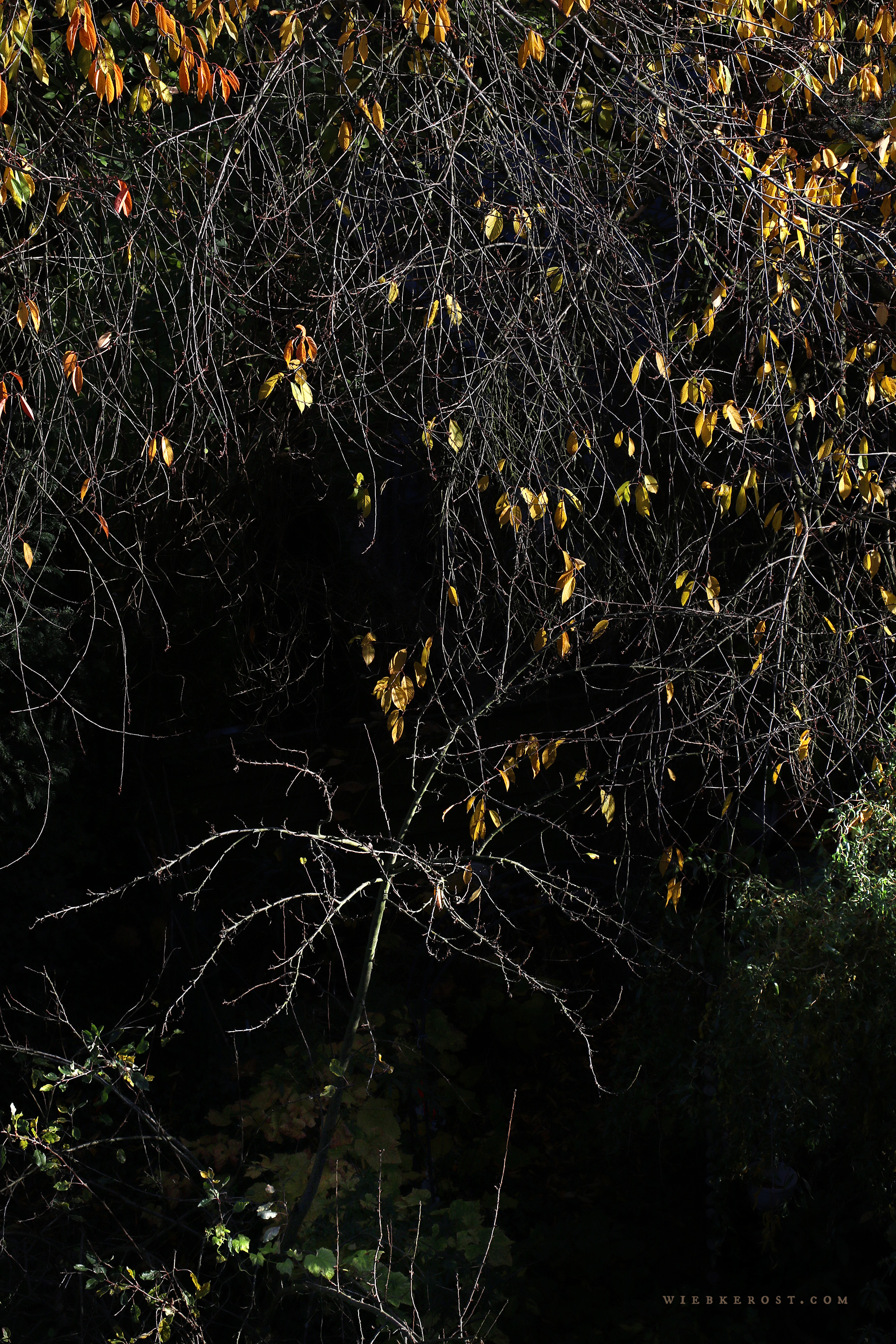
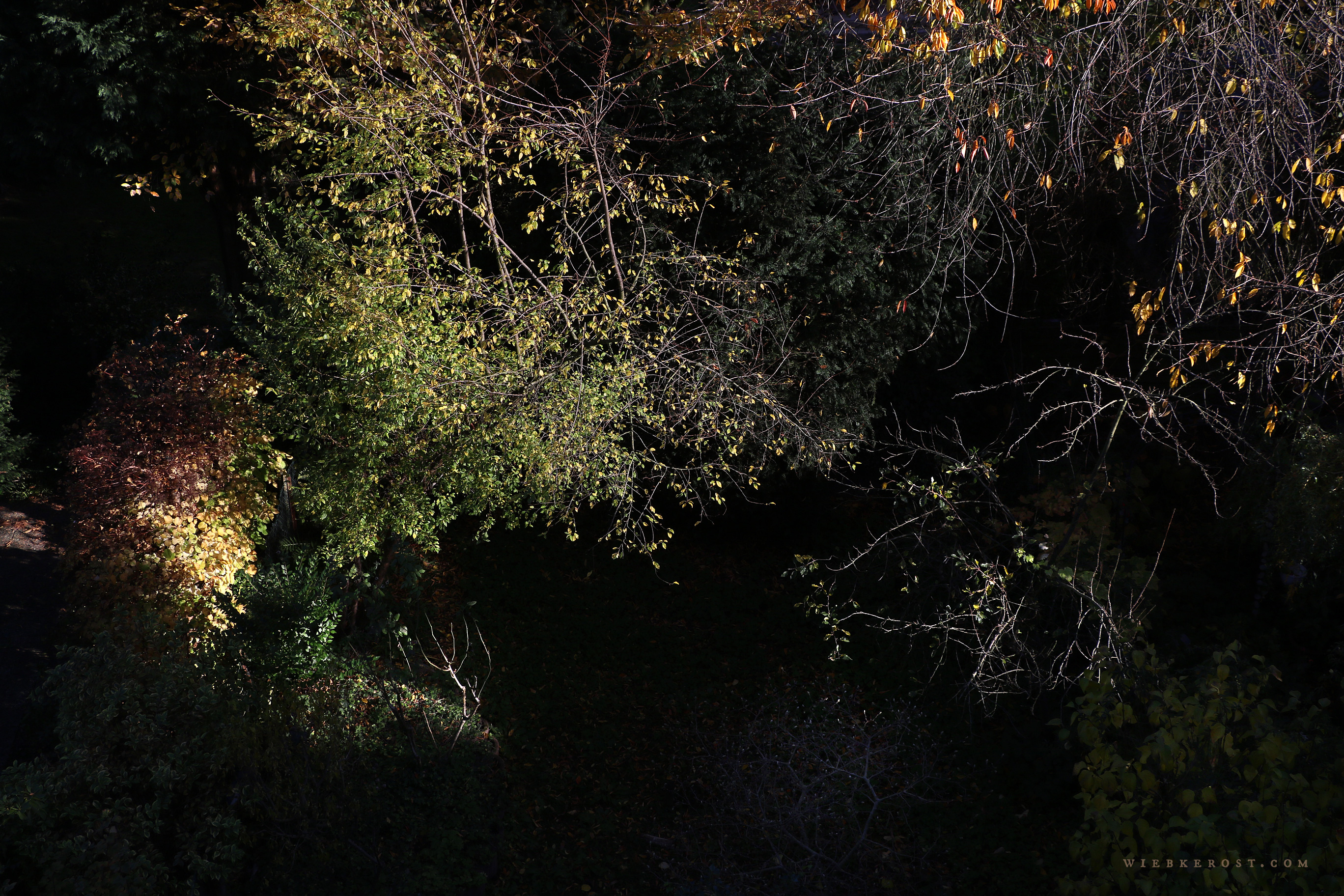
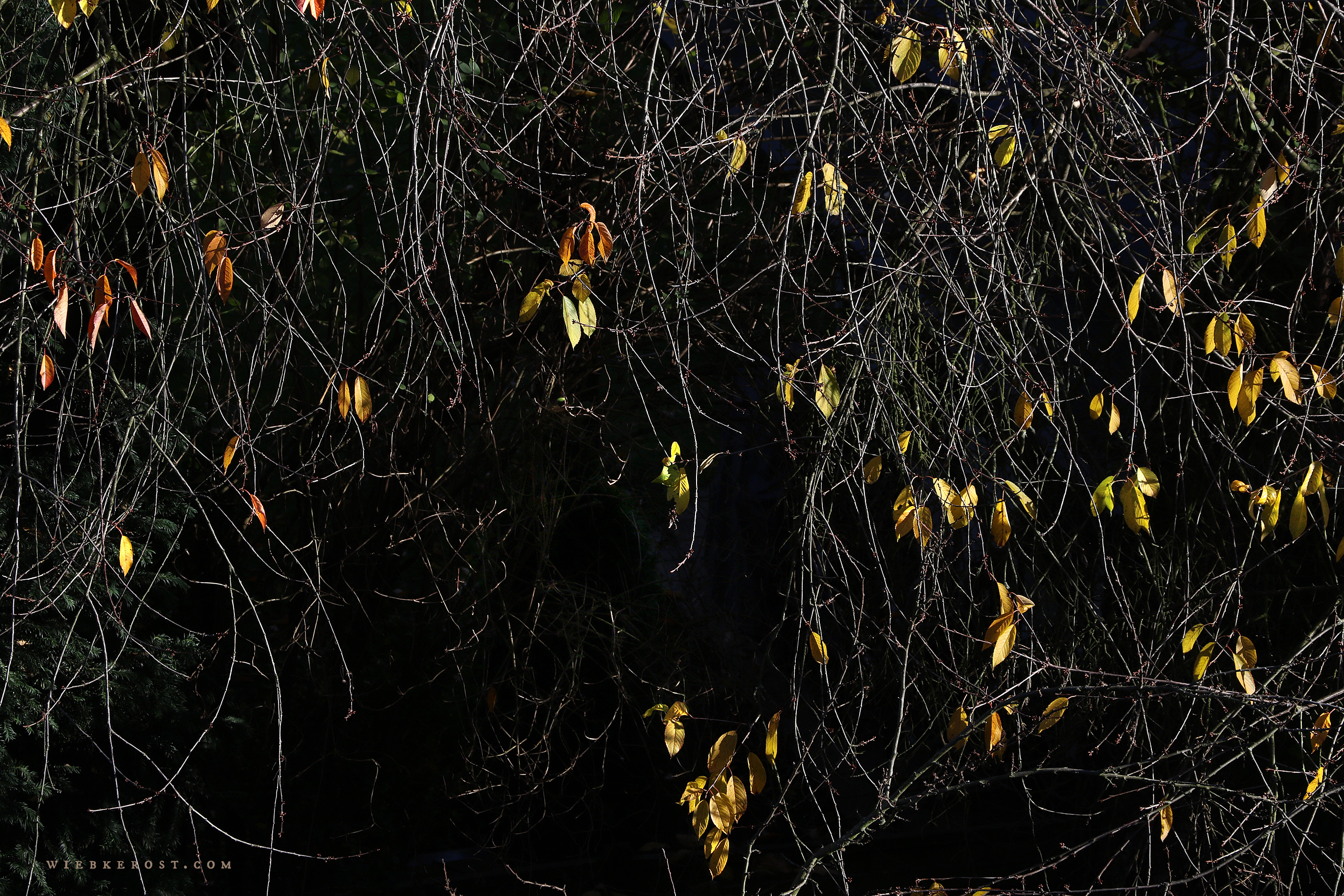
It is raining and snowing and the earth is being saturated with water. The cold grayness is lit up by bright saffron blossoms, colorful tree branches and berries. Wild cherry trees color their crowns red; what looks like a fiery shield or warning sign is actually an invisibility shield against herbivores. By dropping their leaves the trees now ultimately strike their solar sails. Simultaneously the fallen leaves re-assemble to form a protective and nurturing blanket on the ground, for myriads of organisms to spend the winter underneath. Here the magic happens that alchemists seek to master. All of nature’s actions are inherently logical and perfectly adjusted.
November’s weird dreams are messages of wyrd – the weaveress, who spins, weaves and cuts the thread that forms the fabric of a person’s fate or destiny. Noteworthy, is wyrd not only the base word for modern English weird. Today the word weird denounces something supernatural, uncanny or unexpected. But wyrd is also connected to the German werden = to become, Wort = word as well as Wurz = a herb. Originally these terms, to become and to grow (as a plant) and the concept of wyrd (fate) may have been closely linked. Indeed, the wort cunner uses herbs to change a person’s destiny. The shaman or healer uses herbs to drive out sickness and avert death, which increase in the absence of day light.
The weaveress is present in many different pantheons. Sometimes she is part of a triad of goddesses of fate such as the Norse Norns, the Greek Morai and Roman Parcea. Other times she is an ancient mother goddess presiding over the souls of the unborn and the work of women, especially spinning and weaving. Germanic tribes knew her as Holle/Holda, today also identified with Perchta. Slavic peoples knew her as Mokosh or Zorya.
Frau Holle is envisioned to guard a deep well or pool from which she releases the souls of children to be born and into which she receives again the souls of the stillborn. She guards the cycle of life and death, birth and rebirth. Likewise she judges the work of man, blesses those, who finish their tasks in time and punishes those who are late or lazy. In the short month of November we are reminded that the year is in its final quarter and that we too must come to a close with our projects and rituals, but also, that we must take care of ourselves.
First, fluctuating impressions for 2020… later we went to see “Motherless Brooklyn” at one of the Filmkunstkinos here in Düsseldorf. I like films, where one can actually focus on the characters and remember the story afterwards. This was such a film. Edward Norton is a little genius.

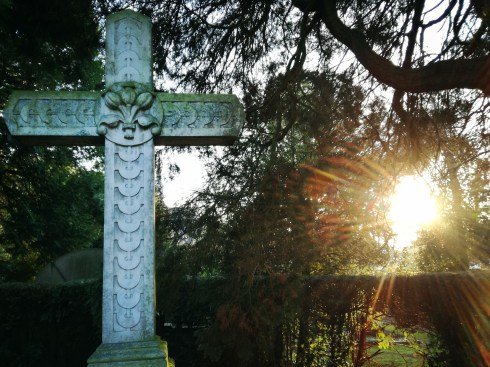
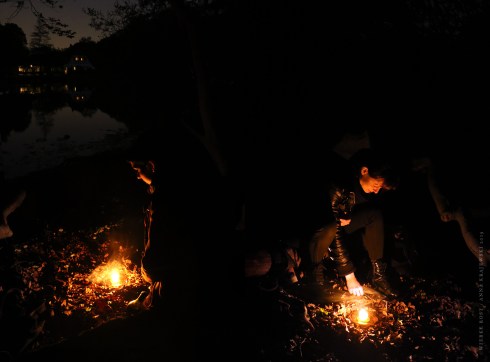
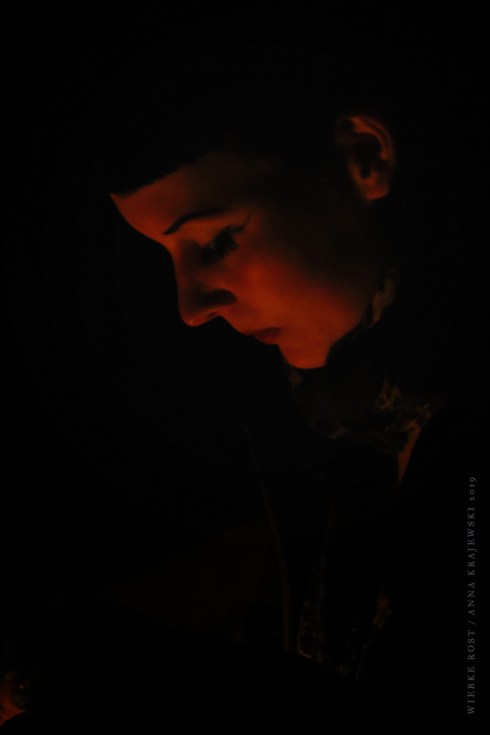
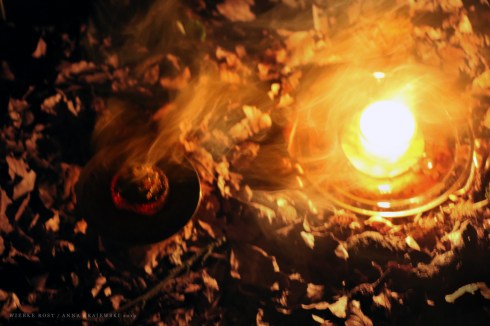

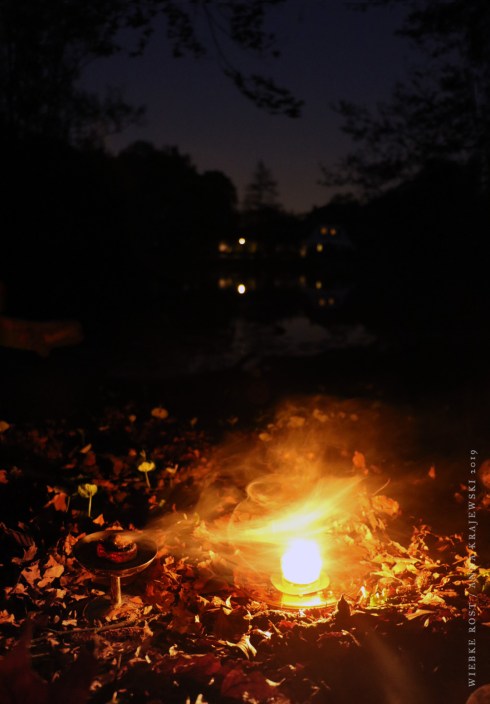
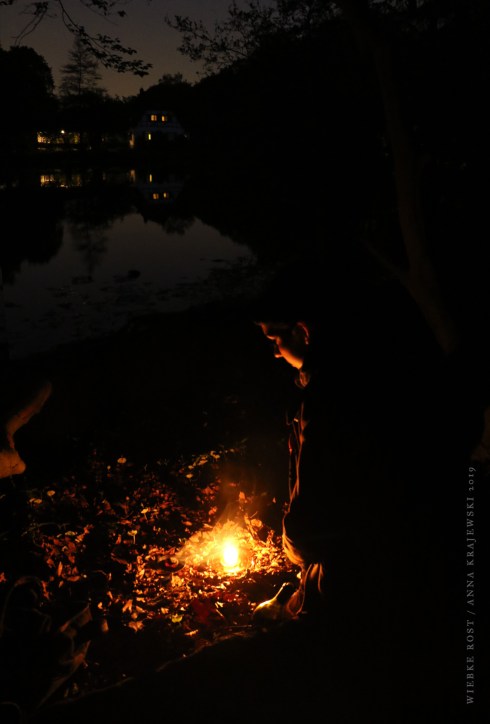
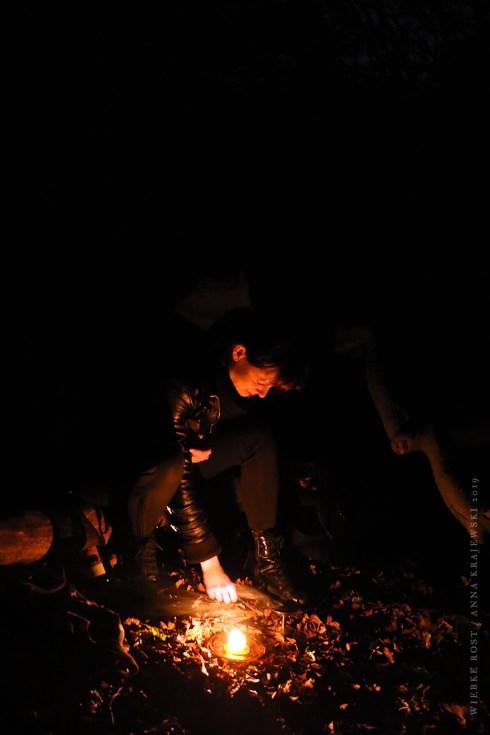
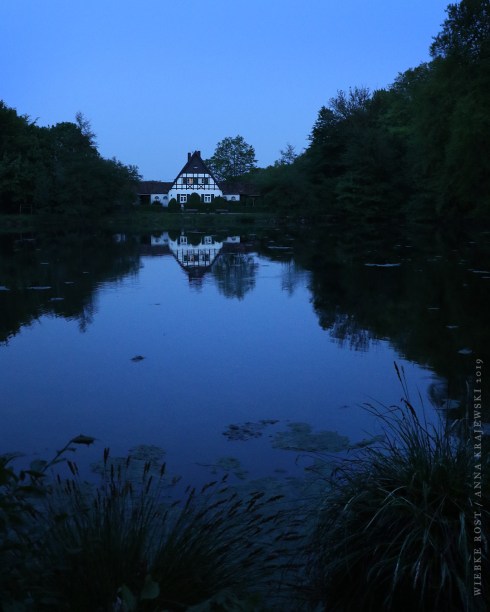
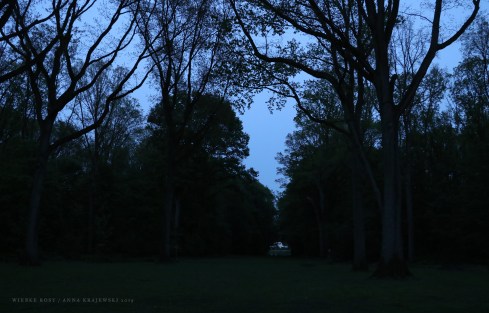
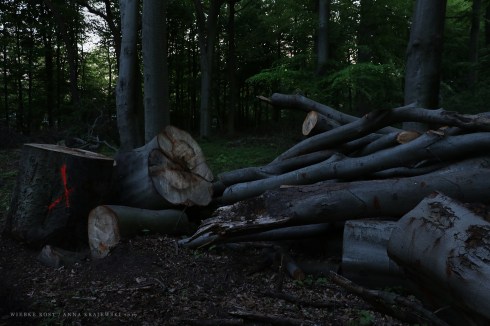
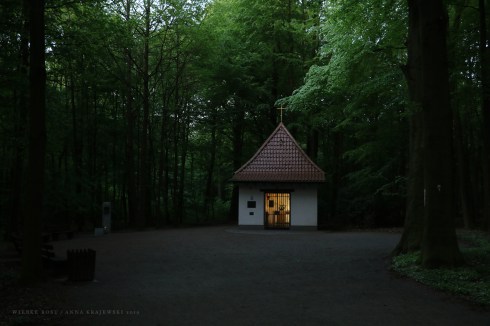

Having spent past Walpurgis nights in relative solitude for over a decade, the stars aligned now in such way, that this year I was invited to spend it together with fellow photographer and occultista Anna Krajewski. Above are a few impressions of our little sabbath, as we explored a chapel built in follow to the execution of the region’s last witch, and ventured on through the forest, as the blue hour began. Finally we came to sit among tree roots descending towards a lake, in the company of myriads of bats and various waterfowl, a swan and last but not least a grey heron, sliding elegantly across the water’s mirroring surface…
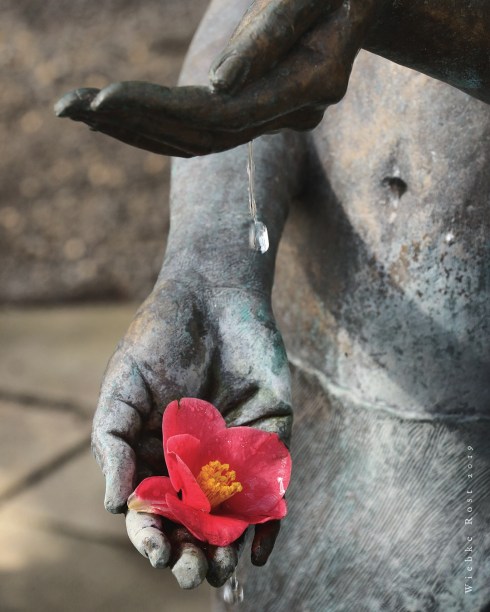
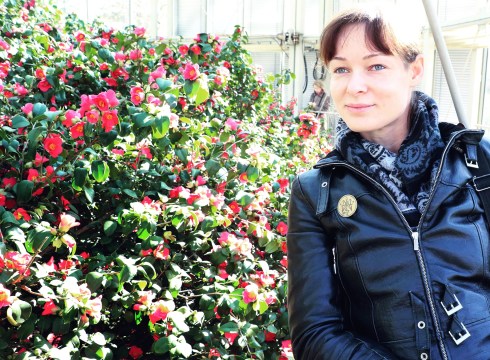
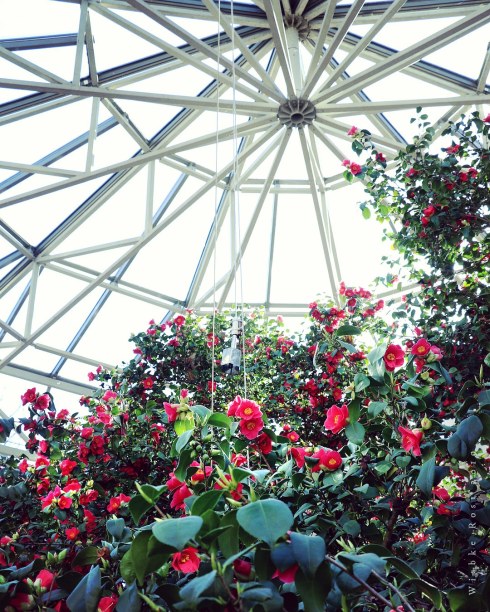
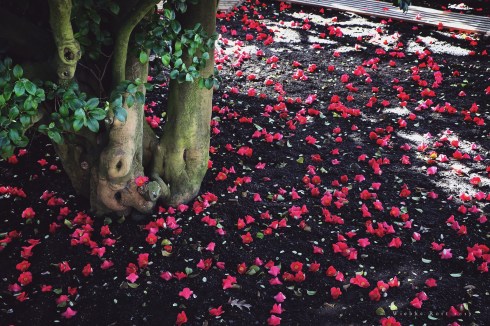
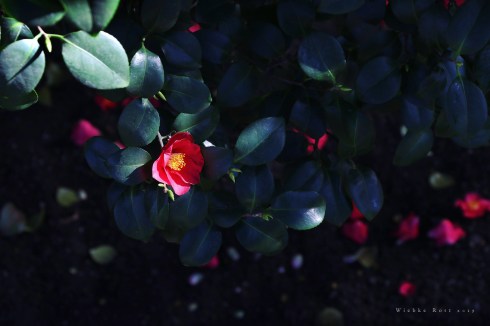
The camellia in Pillnitz is around 230 years old, almost 9 m high and 11 m in diameter. From February to April it is covered in carmine red flowers. During the cold season, the tree, which was planted in 1801 by court gardener Terscheck, is protected by a large glass house with stairs. During this time visitors can enter and view the tree from two levels.
In the mid 19th century Dresden became a European hot spot for the culture and breeding of camellias, and exported them to Russia as well as Italy and Spain. The camellia was viewed as a status symbol among European aristocrats, and Russians in particular, had a high demand for camellia flowers, which were exported in thousands to St. Petersburg and Moscow.
With growing popularity among Westerners, and contrary to its Far Eastern symbolism, the meaning of the flower changed. Thanks to popular literature, most prominently La dame aux camélias by Alexandre Dumas from 1848, as well as real life personae, such as the “Wiener Cameliendame”, a dancer named Fanny Elßler, the camellia became erotizised!
On the other hand the longevity of the flowers, and particularly white camellia flowers, became associated with death and mourning and were woven into funeral wreaths.
The seeds of all known (about 200) camellia seeds yield a valuable oil, which smoothes the hair and juvenates the skin. The oil is rich in linolenic acid, and is also used in cooking and reduces cholesterine. Samurai rubbed camellia oil unto their sword blades to protect them from rust. The oil is also used as a natural surface finish for wood, as lube in watches and precision engineering and more.
Camellia wood is hard and durable and was used in the manufacture of weapons, different tools as well as kokeshi dolls. Up to the Edo period, a camellia rod was used in Buddhist ceremony to punish and drive out malign spirits. The wood also yielded a spark-free and, hence sought after charcoal.
Camellias are highly resistant against diseases and may contain different antibacterial and fungicidal agents.
Besides, the first Westerner to portrait a camellia flower was likely a Saxon gardener by the name George Meister. His book “Der Orientalisch-Indianische Kunst- und Lust-Gärtner” was published in 1692 in Dresden. In it he describes both the camellia as well as its crop plant, Camellia sinensis var. sinensis – the tea shrub!
Further Reading:
https://de.wikipedia.org/wiki/Pillnitzer_Kamelie
https://www.schlosspillnitz.de/de/schloss-park-pillnitz/kamelie/











 Wiebke Rost