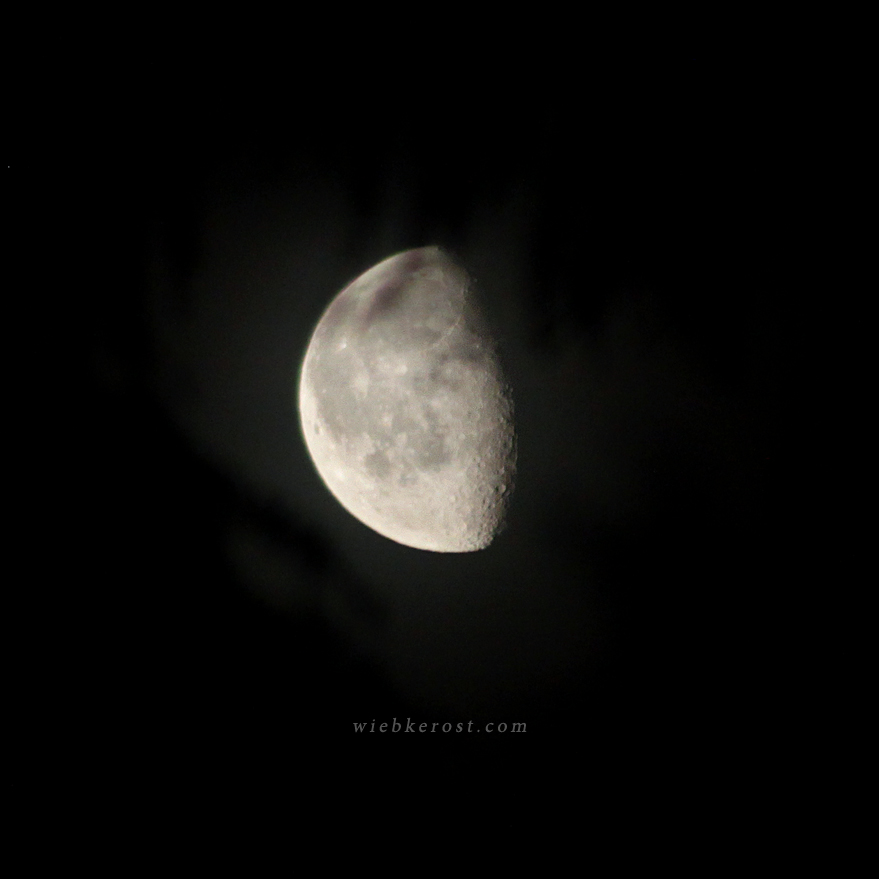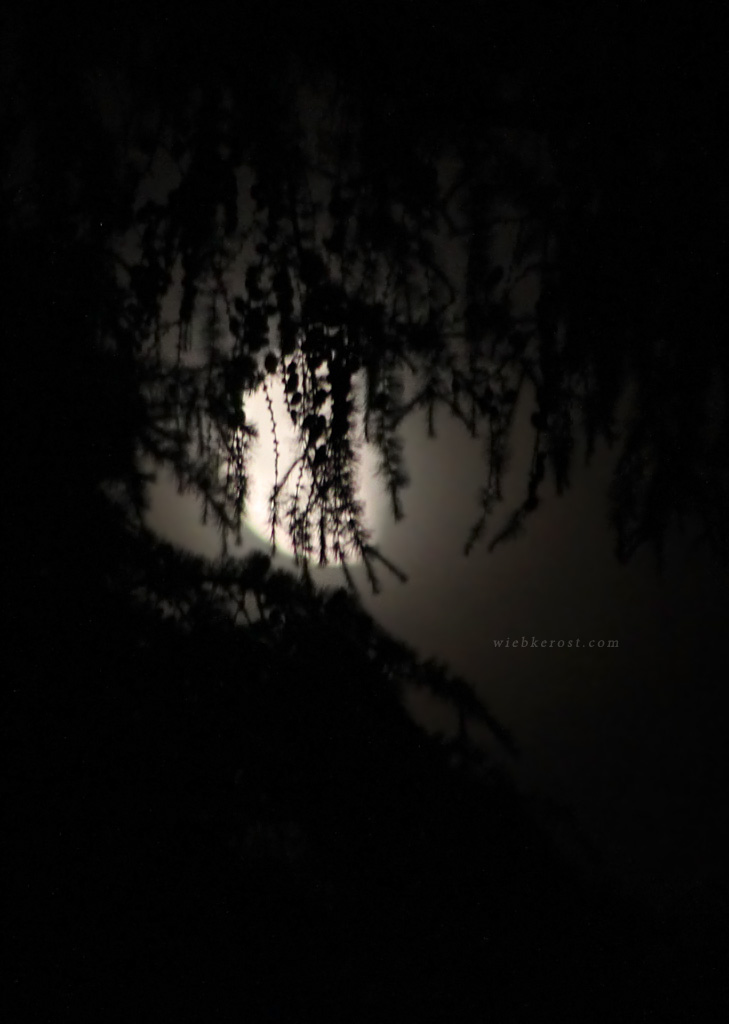
Waning Moon, June 08 2015
photos taken without support, using a 70-300 mm Sigma lense
Besides, I’m introducing a new website section for my humble attempts at creative astro photography: Sun, Moon and Stars
Waning Moon, June 08 2015
photos taken without support, using a 70-300 mm Sigma lense
Besides, I’m introducing a new website section for my humble attempts at creative astro photography: Sun, Moon and Stars
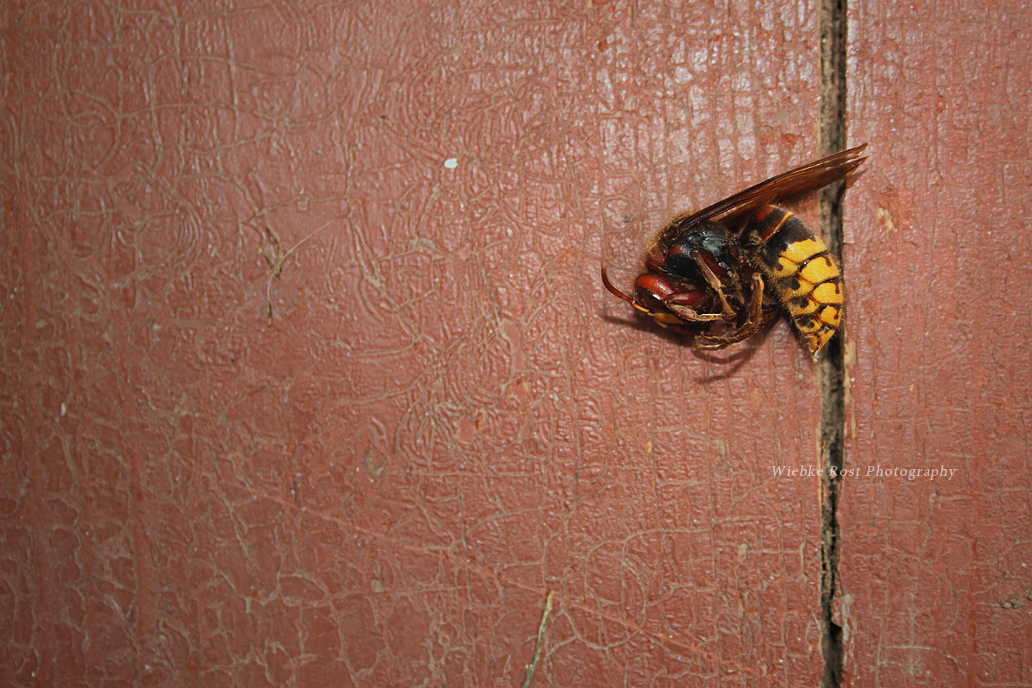
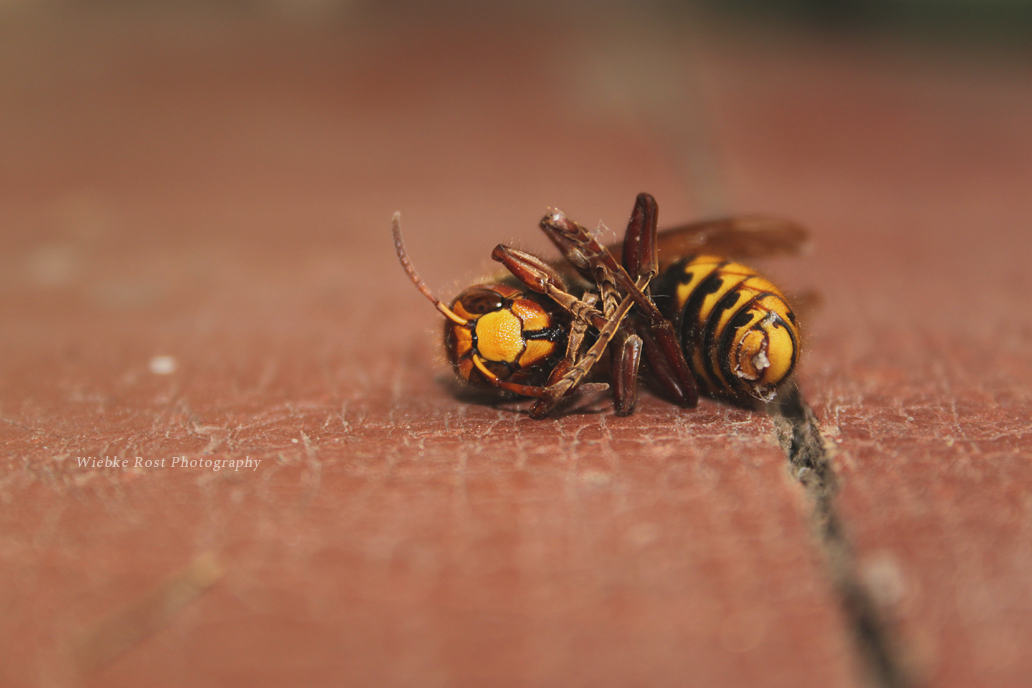
Found a dead hornet on the floor. It looked as if some invisible hand had placed it there. No signs of violence, except for some white excretion around the stinger. A few days earlier I had seen a huge hornet in our apple tree. The presence of such animal, dead or alive, naturally evokes feelings of unease and discomfort. Yet it was fascinating to get closer. I call the photo “death posture”, not necessarily in reference to something esoteric or spiritual. I rather found the position interesting, which the animal takes upon death with legs crossed to a triple “X”. It’s deader than dead, but there is still a cold stare.
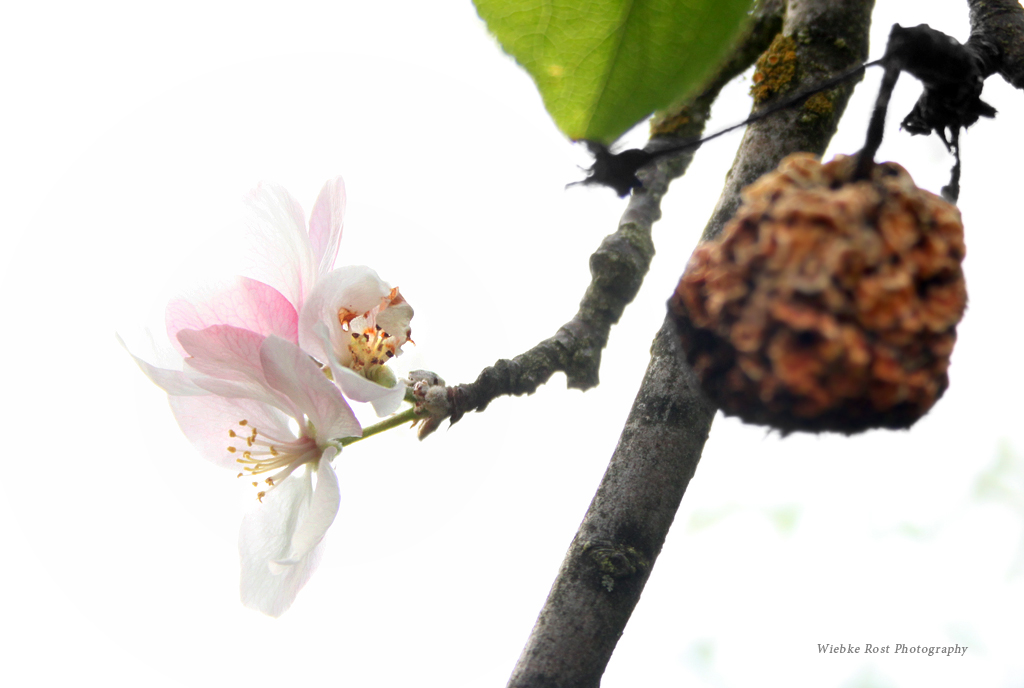
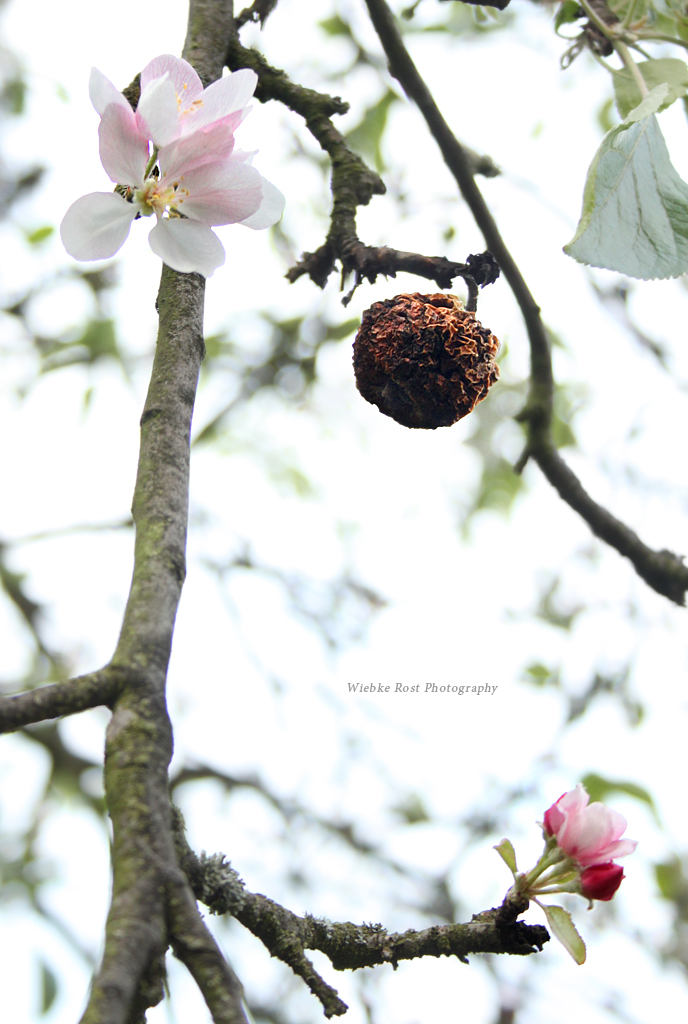
Apple blossoms beside decaying fruit from last year still hanging on the tree
melancholia – waiting for inspiration to strike
Old ash and yew trees in an abandoned park from the 19th century
The trees grow atop arranged rocks, underneath is hidden a small cave. The park’s landscape has once been planned carefully and in alignment with prominent buildings, such as the steeple of the Auferstehungskirche. Channels once lead water through the protracted park scape, which stretches along the Weißeritz river. Most of the paths and arranged parts are overgrown and the original park’s landscape is only slowly re-emerging, due to the thoughtful work of conservationists. Thus are revealed oddities such as gnarly, half dead – half alive trees and previously hidden pathways…
Herbs such as hollowroot (Corydalis cava), wood squill (Scilla sibirica) and thimbleweed (Anemone nemorosa) are currently in bloom, covering the grounds in purple, blue and white. As the sun was setting, I did an incense offering between the base of the stems of two ash trees, which are merged by their roots, observing the smoke rising from the womb formed between both trees and watching the sun go down…

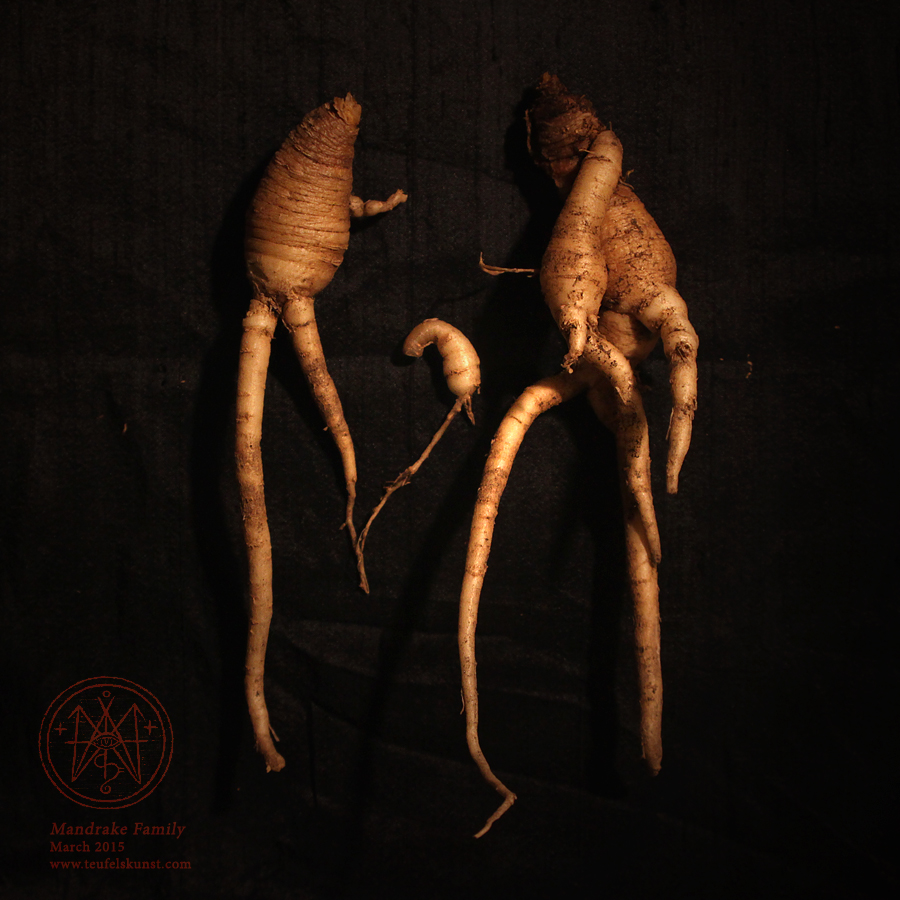
These three were once conjoined as a single root. Sadly after the winter I noticed the tissue at the top had become soft and started rotting away. I decided to dig them out and safe what was left. They’ve been drying for 3 weeks now and thus far looking good, still almost as fleshy as on the photo.
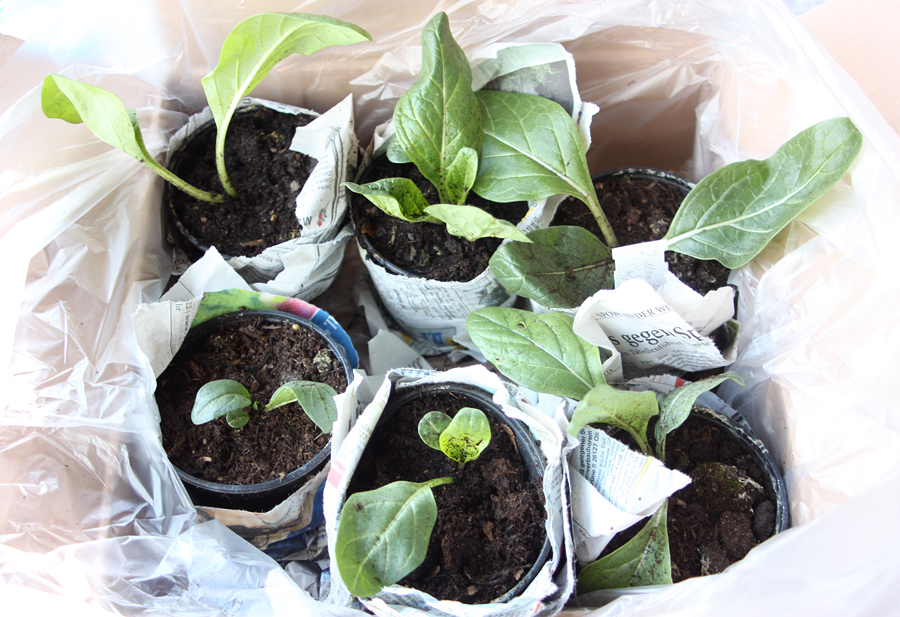
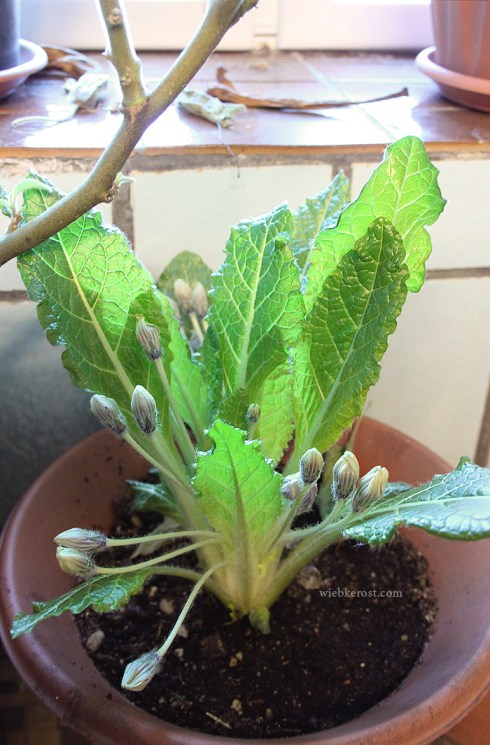
Small mandrake plants from a German seller, arrived today. I quickly unpacked and watered them. They currently reside in our veranda, where they have evening sun, and seem to be doing well thus far. The leaves keep growing. I will wait with repotting until they withdraw their foliage.
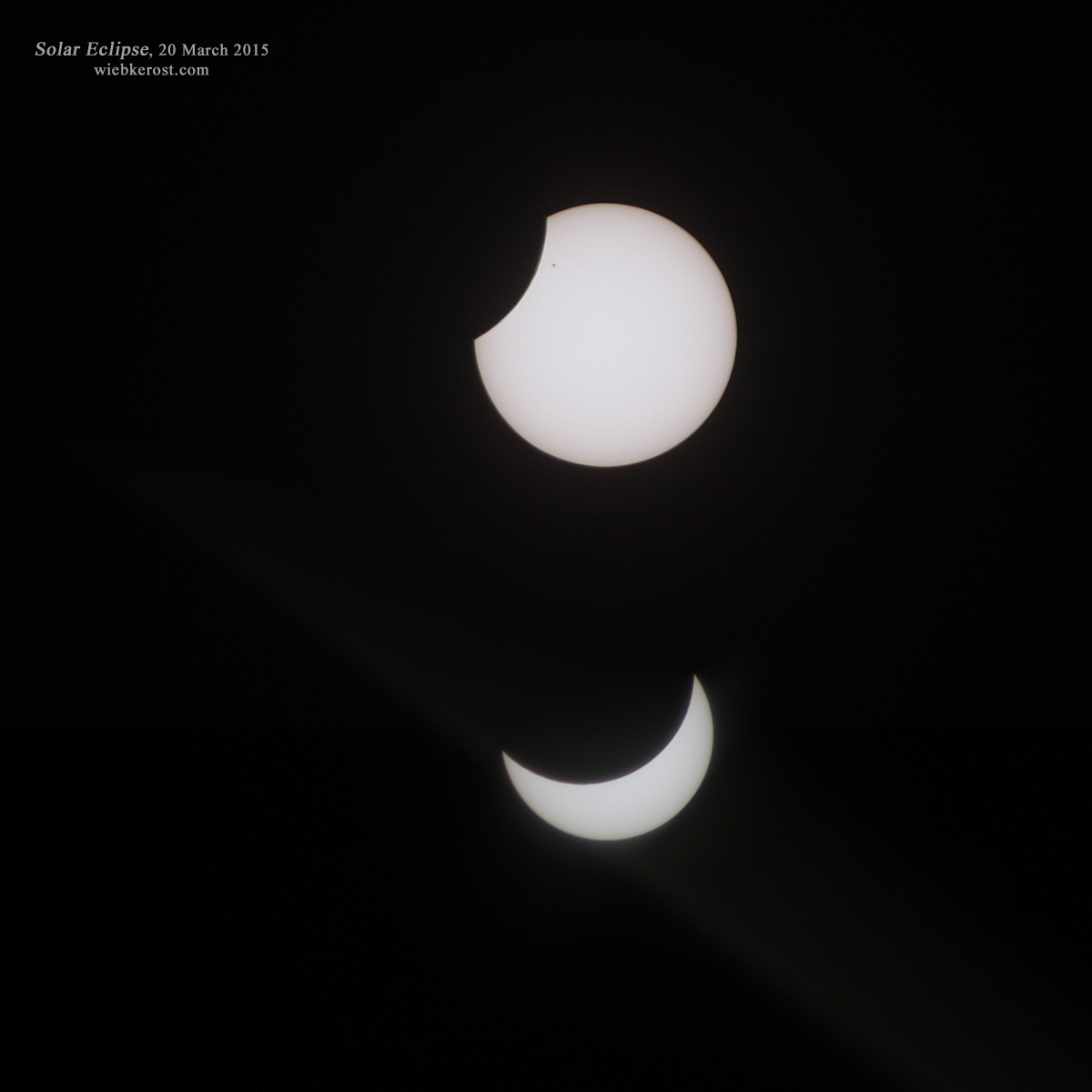
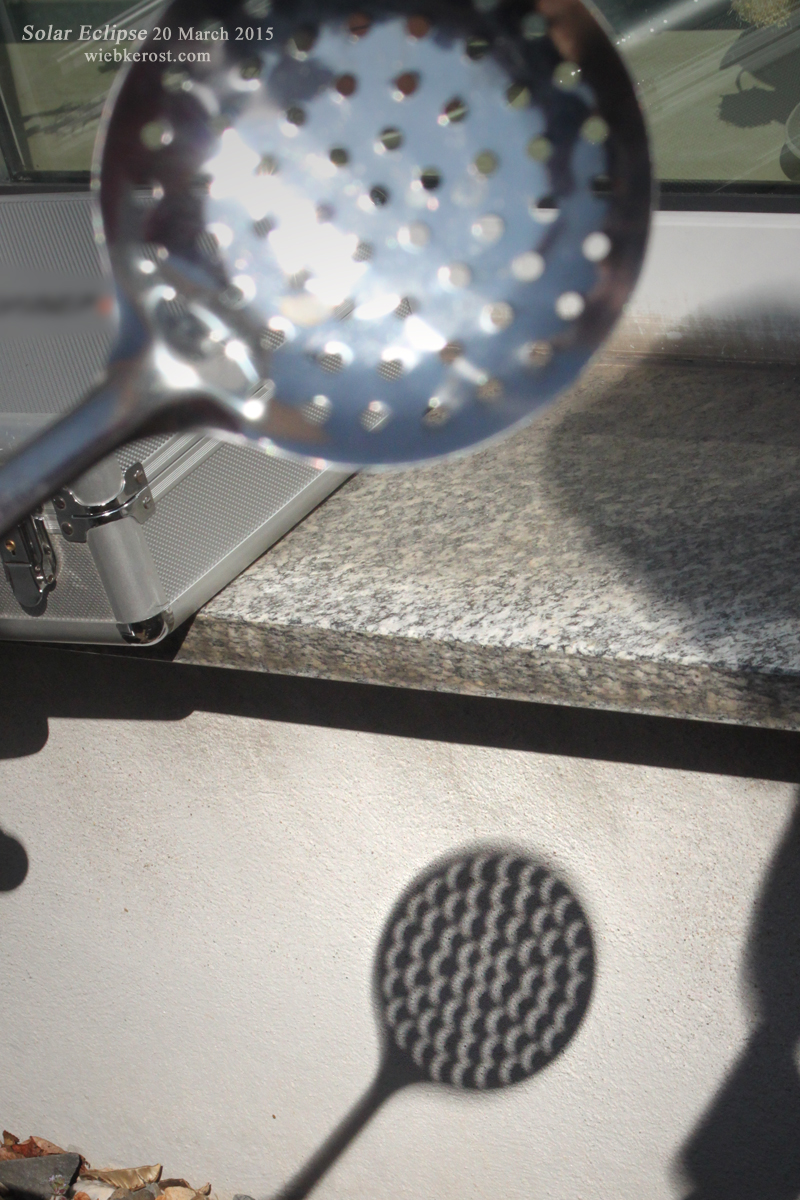
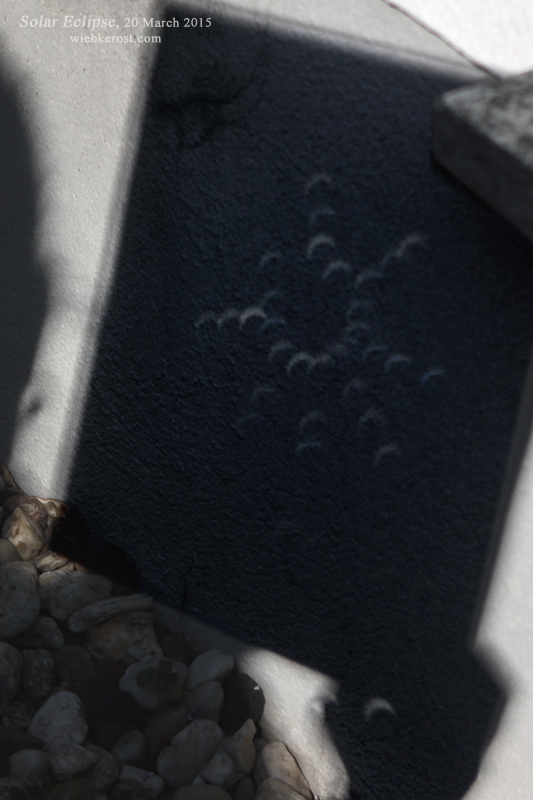
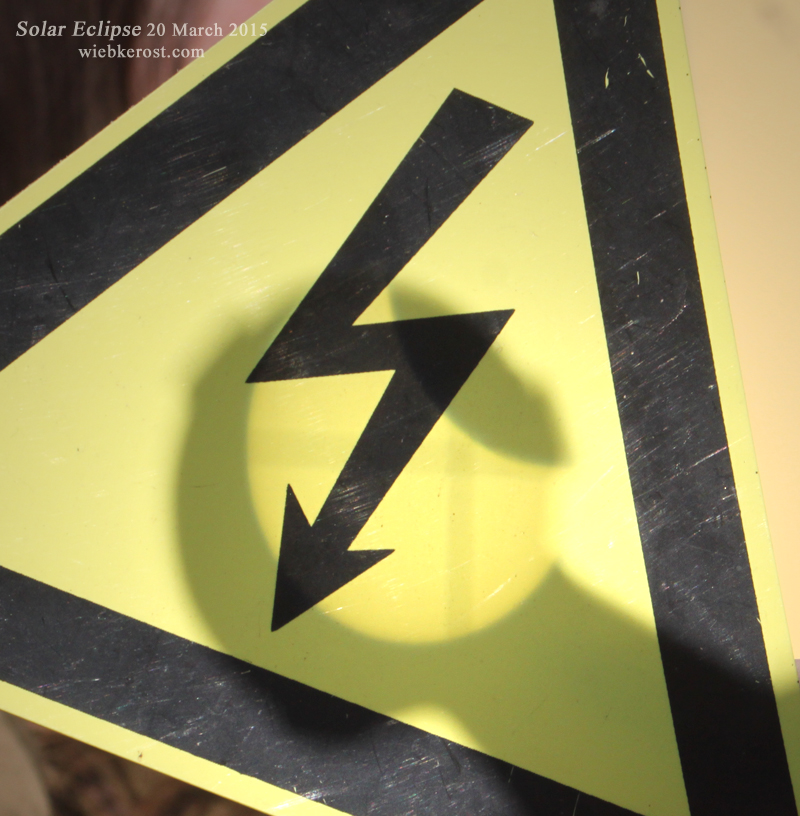
Solar eclipse 20 March 2015, coinciding with the vernal equinox and another black “super moon”
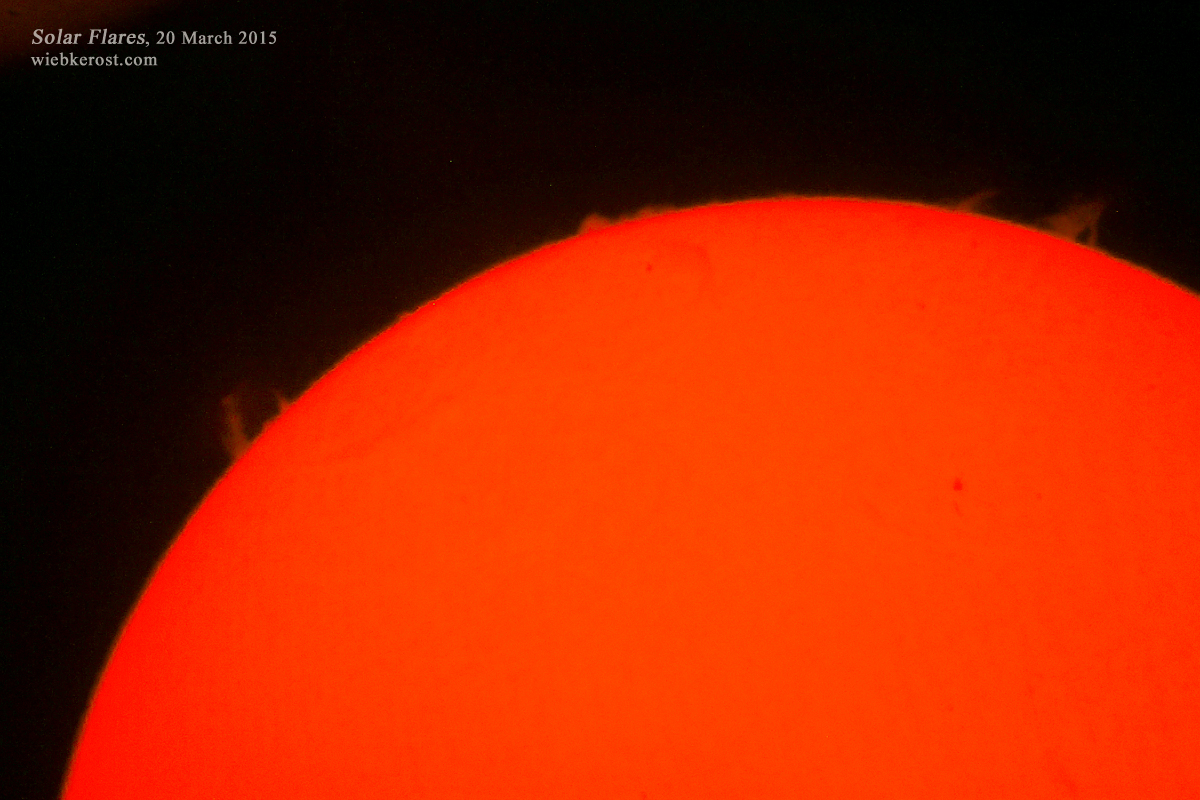
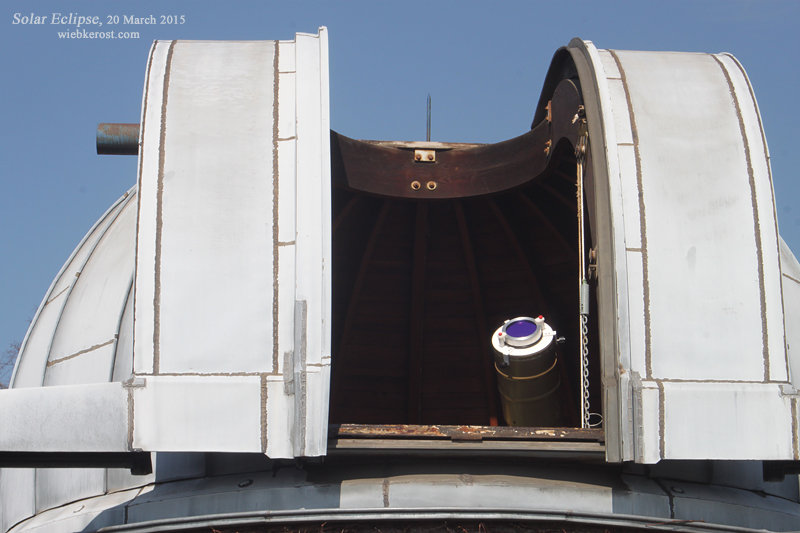
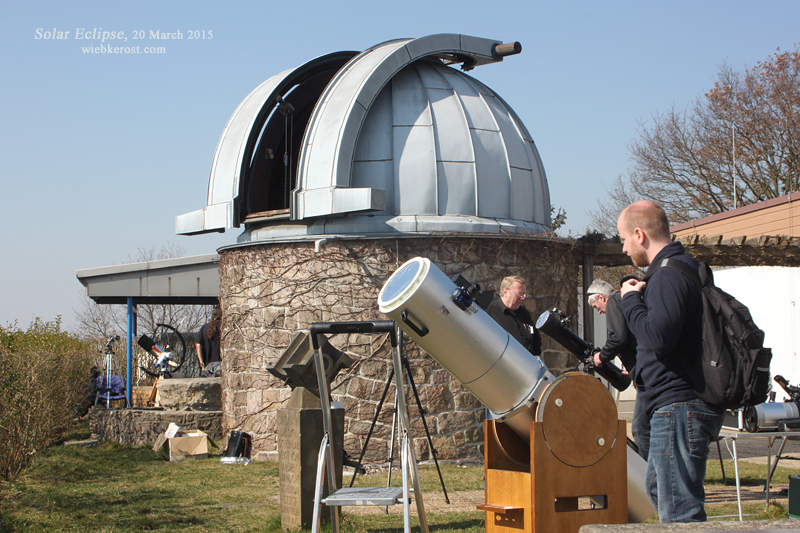
This time I photographed the event from the observatory Radebeul. Talking to other photographers and experienced hobby astronomers helped a great deal. Also there were a lot of different telescopes to try out. Some had filters that allowed for infrared frequencies to pass. The below photo is taken at the large Zeiss refractor. This way the sun activity could be observed closer…
Also note the little sun spot on above pictures…
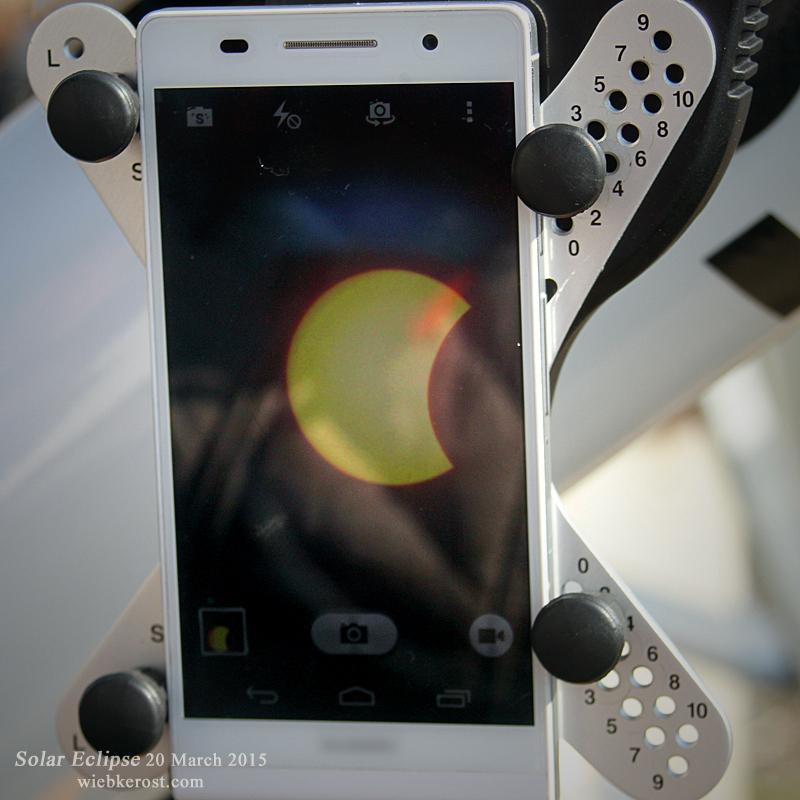
Another had installed an adapter for smart phones, so people could photograph the eclipse with their smart phones through the telescope…
Simple and creative tricks for observing the eclipse without special glasses where shared as well…
1.) Through a skimmer 2.) through a perforrated carton, creating a nice pattern 3.) through the thumb and index finger forming an “o”
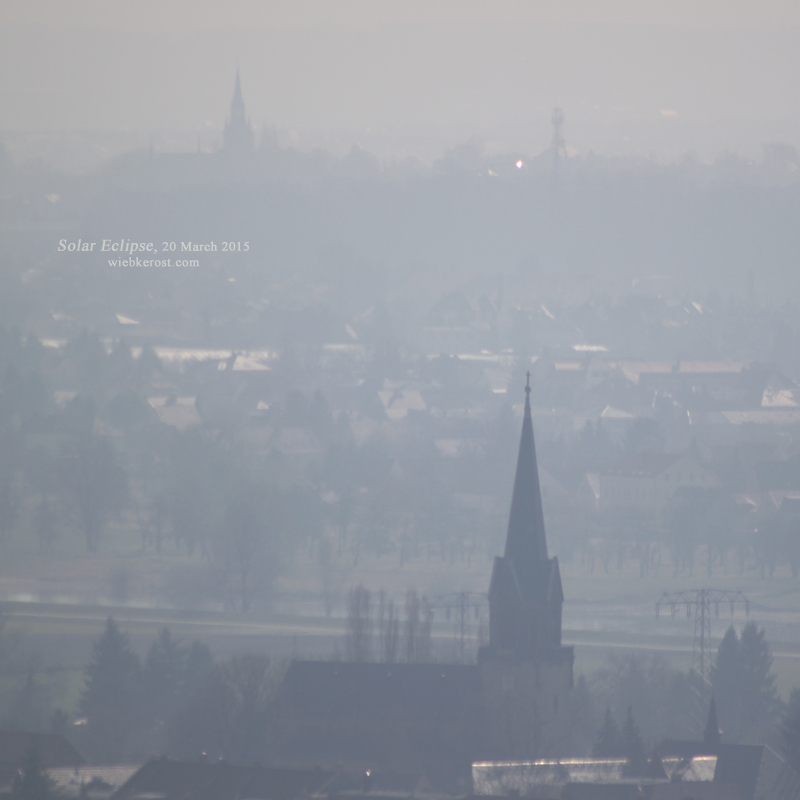
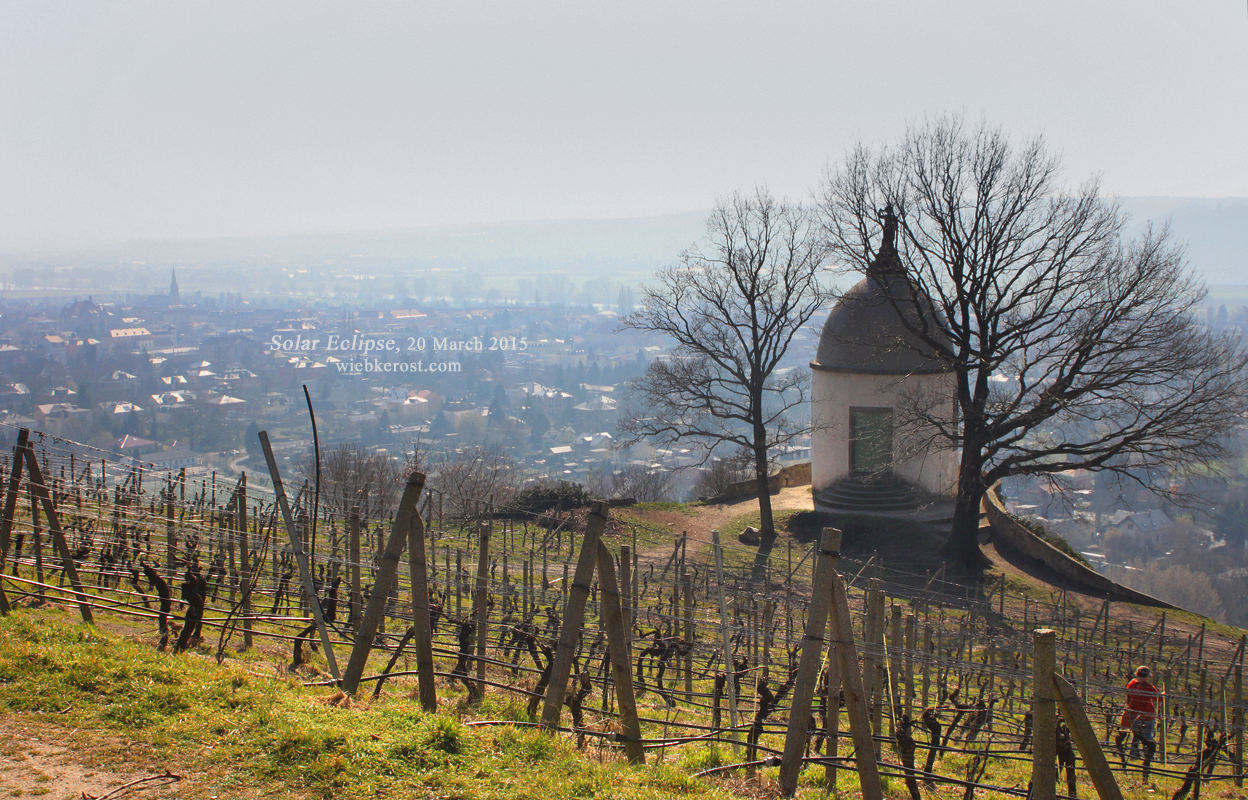
Now here are some more impressions. The the sky was clear, but the air above town was foggy. Also you may sense the gloomy atmosphere as the sunlight was dimmed during the eclipse…
The below building houses the large Coudé Zeiss refractor…
Post-eclipse, packing up

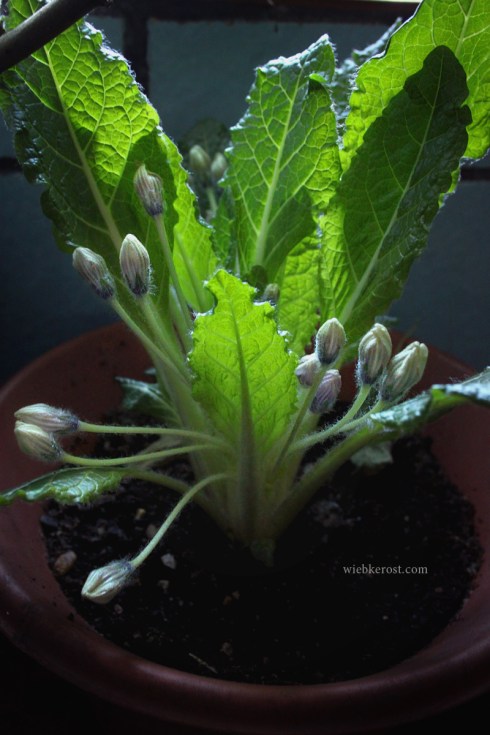
Vernal mandrake shooting forth plenty of flowers, in fact surpassing all previous years. It’s an utterly delightful sight! But still too early for bees or other pollinators. I may have to jump in…
This is my last of the vernal variant, all the others are autumn mandrakes, which flower in autumn and resort to an underground existence after christmas, usually showing no sign of life until the next fall. Even though I saw one of them is sprouting anew… I wonder if that one manages at last to actually flower at a time when the temps and light conditions are suitable.
Me and the mandrakes… an endless story to be continued.
Another photo of the plant in its current state of glory… those fresh leaves that look like salad (but are really very poisonous thanks to a variety of alkaloids) may soon extend to half a meter length.

Btw. I’m working on Regina Amandrakina prints…
Been diving
in the dream waters
deep
time to get back
to the surface
least I become
lost down here
once again
18 February 2015
In the mail today: Andrew D. Chumbley’s “The Leaper Between”. The book was released in 2012 by Three Hands Press. The text was written by Chumbley in 2000, an abridged version was first published in The Cauldron magazine in 2001. I yet have to understand in how far the essay is related to ONE: the Grimoire of the Golden Toad (or isn’t). Apparently the Golden Toad is more of a personal account whereas the Leaper is a historical research. I’ve been recommended to read both, but unfortunately the Golden Toad is now very hard (and costly) to obtain. The hardcover editions of the Leaper had sold out rather quickly as well and it was only thanks to a customer that it came into my hands.
This is number 219 of 231 “deluxe hand-numbered casebound copies in iridescent brick cloth”. It has a gilt toad device on the cover, designed by James Dunk. The same illustration is used on the title page, which is wrongly referred to as showing the toad at the roots of the alchemical tree from Samuel Norton’s Mercurius Redivivus. A correction for this is given with a bookmark, along with the title for the illustration being “Waters of the Moon”, a reference to the ritual account of the Norfolk horseman Albert Love (b. 1886) as well as the initiation rite given in Chumbley’s Golden Toad. The title illustration is a beautiful work of illustrative calligraphy, reminiscent of Arabic calligraphy and said to contain hidden links to Chumbley’s own alphabet.
Besides, paperback copies of the Leaper are available and unlimited in number.
On the above photo I added my own toad talismans. One is a mummified pet toad, which I’ve worked with in various ways. It’s not really connected to the ritual described in the book, apart from that it does serve as a talisman. Perhaps one day I’ll share my own working in this regards.
Some toad related artwork of mine:
PS: Tonight it’s having a “black supermoon“. This means the moon is in close proximity to the earth (occuring larger than usual) just that we cannot see it at this time, because it’s positioned right between the sun and the earth. So watch out, perhaps you can see even more darkness than usual on this night.
Edit: I’ve just been told one could read the Golden Toad grimoire at the Museum of Witchcraft. It’s certainly on my list of places to visit…