Archive | flowers RSS feed for this section

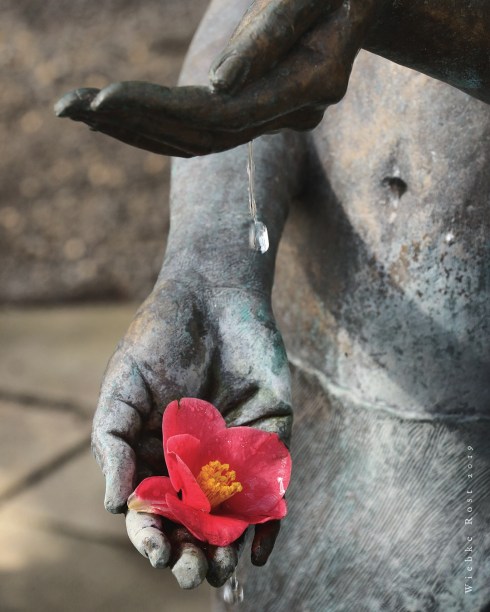
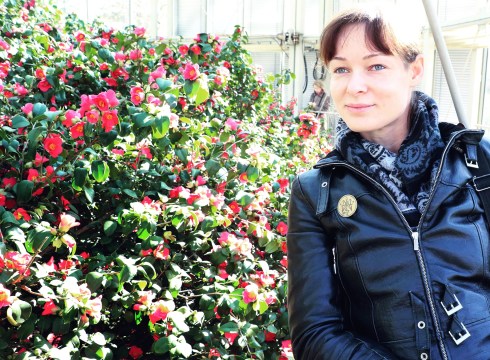
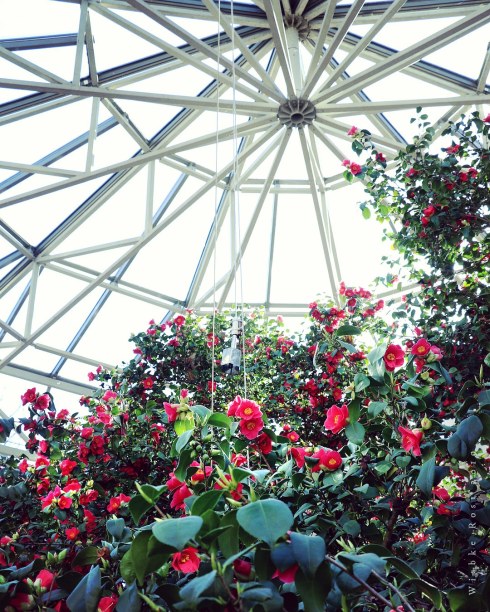
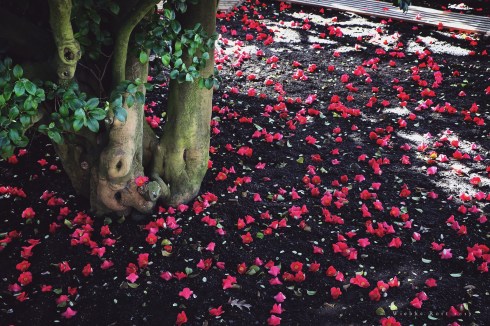
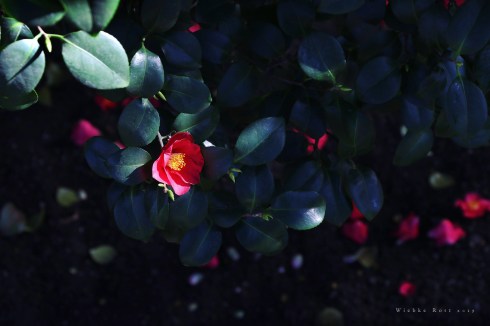
Kamelienblüte Schloss Pillnitz, Frühlingsanfang 2019

22 Mar

The camellia in Pillnitz is around 230 years old, almost 9 m high and 11 m in diameter. From February to April it is covered in carmine red flowers. During the cold season, the tree, which was planted in 1801 by court gardener Terscheck, is protected by a large glass house with stairs. During this time visitors can enter and view the tree from two levels.

In the mid 19th century Dresden became a European hot spot for the culture and breeding of camellias, and exported them to Russia as well as Italy and Spain. The camellia was viewed as a status symbol among European aristocrats, and Russians in particular, had a high demand for camellia flowers, which were exported in thousands to St. Petersburg and Moscow.

With growing popularity among Westerners, and contrary to its Far Eastern symbolism, the meaning of the flower changed. Thanks to popular literature, most prominently La dame aux camélias by Alexandre Dumas from 1848, as well as real life personae, such as the “Wiener Cameliendame”, a dancer named Fanny Elßler, the camellia became erotizised!

On the other hand the longevity of the flowers, and particularly white camellia flowers, became associated with death and mourning and were woven into funeral wreaths.

The seeds of all known (about 200) camellia seeds yield a valuable oil, which smoothes the hair and juvenates the skin. The oil is rich in linolenic acid, and is also used in cooking and reduces cholesterine. Samurai rubbed camellia oil unto their sword blades to protect them from rust. The oil is also used as a natural surface finish for wood, as lube in watches and precision engineering and more.

Camellia wood is hard and durable and was used in the manufacture of weapons, different tools as well as kokeshi dolls. Up to the Edo period, a camellia rod was used in Buddhist ceremony to punish and drive out malign spirits. The wood also yielded a spark-free and, hence sought after charcoal.

Camellias are highly resistant against diseases and may contain different antibacterial and fungicidal agents.

Besides, the first Westerner to portrait a camellia flower was likely a Saxon gardener by the name George Meister. His book “Der Orientalisch-Indianische Kunst- und Lust-Gärtner” was published in 1692 in Dresden. In it he describes both the camellia as well as its crop plant, Camellia sinensis var. sinensis – the tea shrub!

Further Reading:

Geschichte & Verwendung von Kamelien


https://de.wikipedia.org/wiki/Pillnitzer_Kamelie
https://www.schlosspillnitz.de/de/schloss-park-pillnitz/kamelie/

Nordfriedhof, January 2019

23 Jan

Nordfriedhof Düsseldorf, January 11th, 2019

Fall 2018

5 Nov

Fall is here, death is here, but the flowers keep on flowering

Gallery

Flowers of Death

7 May

Spring Now!

24 Mar

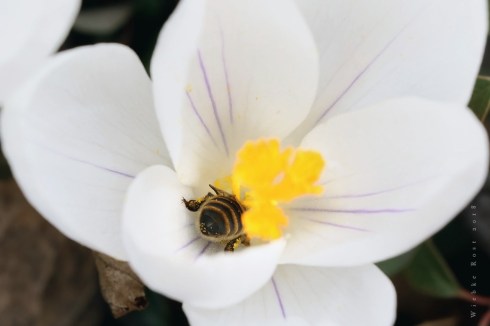
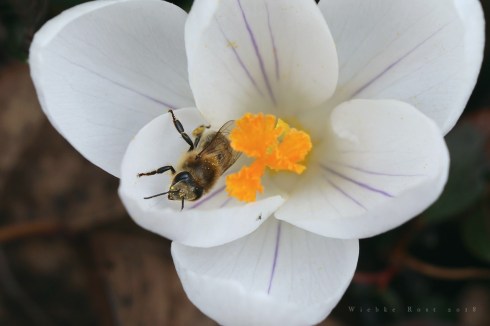
The buffet is opened: Today came to visit the first bees! Still a bit slow and clumsy from the cold, but so nice to see them back in our garden!

Earlier this week, I went to my old childhood playground and gathered willow catkins. My mom dug out these old painted wooden Easter eggs and little beetles. In 2 weeks I will be moving. It is hard for me to imagine, but something in me is determined to discover and live in a new place.

Night Life and July Devils 2017

1 Aug

New series about the secret life taking place in the garden at night. Because these are sleepless summer nights and I am nocturnal again for various reasons.

I am spending most of my summer working and enjoying time in our garden. Hence dedicating again the monthly theme to this topic. The new flower beds are finished at last and new plants are added on a weekly basis. The black flower theme is coming along nicely. For more visit my garden blog.

June Devils 2017

1 Jul


Impressions from my month of June, including my ritual for the summer solstice 2017.

View the entire Flower Devils series here.

Pale Glow

8 Apr

April nightfall – chill, raindrops on pale petals of daffodils and tulips, roses

The garden after dark, all the myths…

In antiquity a marriage outside one’s social class would bring shame over the family. Abductions were staged to justify such liaison.(1) Against this background the story of the abduction of Persephone appears in a new light. It enabled her to be part of and live in two worlds, which were otherwise closed away from each other. She maintained the privileges of the world of the living, but also dined with the dead in the underworld and was let into its secrets. According to legend she picked daffodils when Hades ‘abducted’ her to the underworld. Her story remains fascinating, her flowers remind us of it.

Martin Luther too staged his abduction. Believed to be dead by his foes, he used the time ‘in the dark’ to translate the bible from original sources into German language (with a little help from his friends), one of the most significant cultural contributions of mankind. His signature flower became the rose. (2)

(1) Harold Roth, The Witching Herbs, p. 48 “Kidnapped Brides”

(2) The Luther seal or Luther rose is a widely recognized symbol for Lutheranism: https://en.wikipedia.org/wiki/Luther_rose

Besides…

I watched lots of docus on Arte +7. Yes, the one about the comet (so amazing) and the series on space time and matter. About the chief and the forests. Also earlier about the super plants. And now I am hung up on the magic garden series… eg this one about the garden as a place of initiation:  http://www.arte.tv/guide/de/057898-003-A/magische-garten

Sunflower Field and Sunset

12 Aug

Visiting a sunflower field, before venturing on to gather wild herbs and rowan berries. I recharge and absorb the warmth of the evening sun. The temps have dropped to a chilling 12 °C. Going deeper into the sunflower field, a bee, stiffened from the cold, is stuck to a huge sunflower head. I wonder if it will make it through the night. It would wake up to plenty of food though. A few seconds later the sun has vanished and the sky is ablaze…

Foetid Devil

8 Mar

Foetid Devil

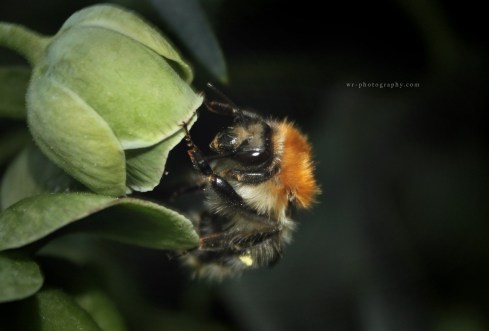
Common Carder Bee (Bombus pascuorum), on Stinking Hellebore (Helleborus foetidus) flower

-> Flower Devils