


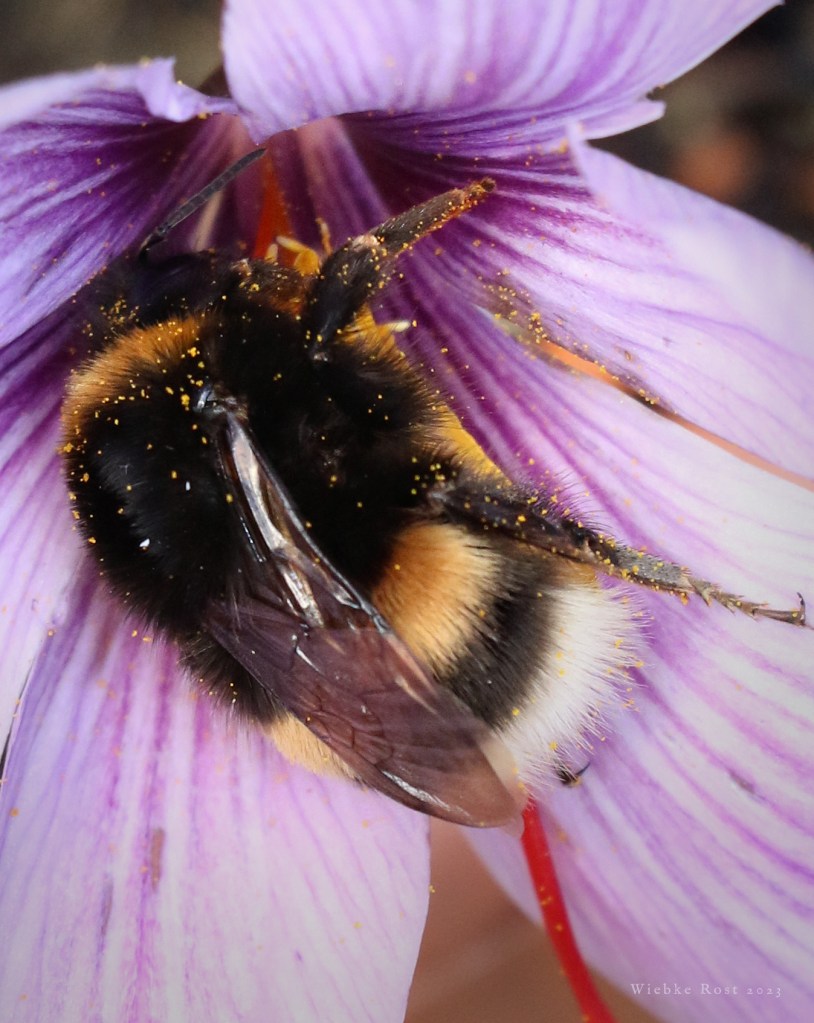
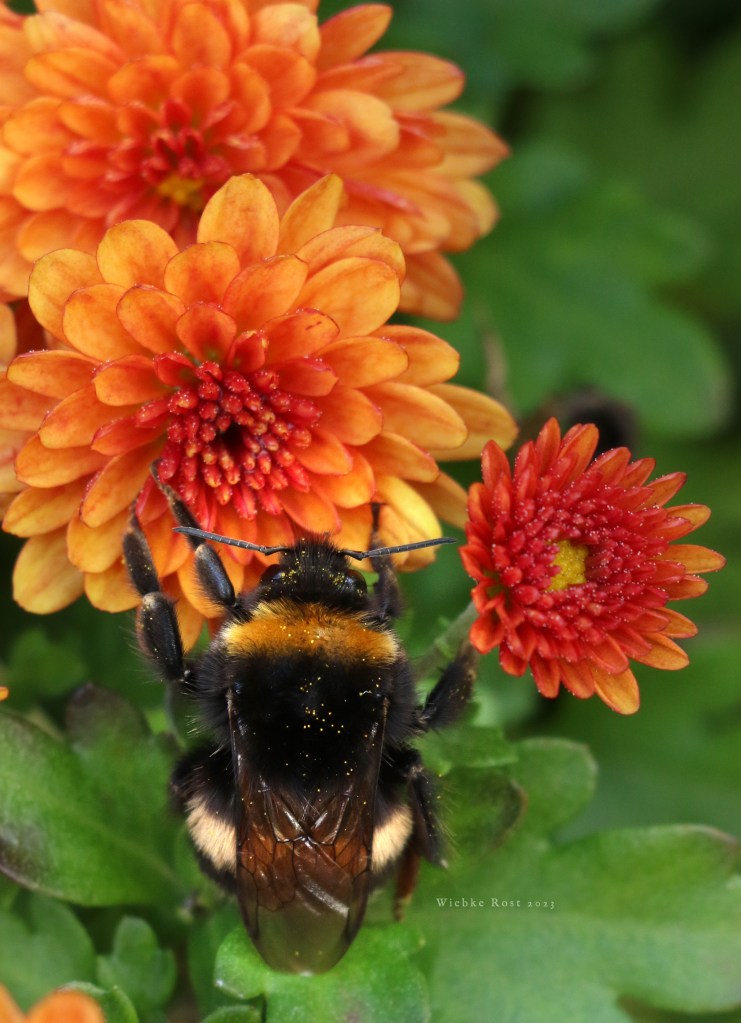



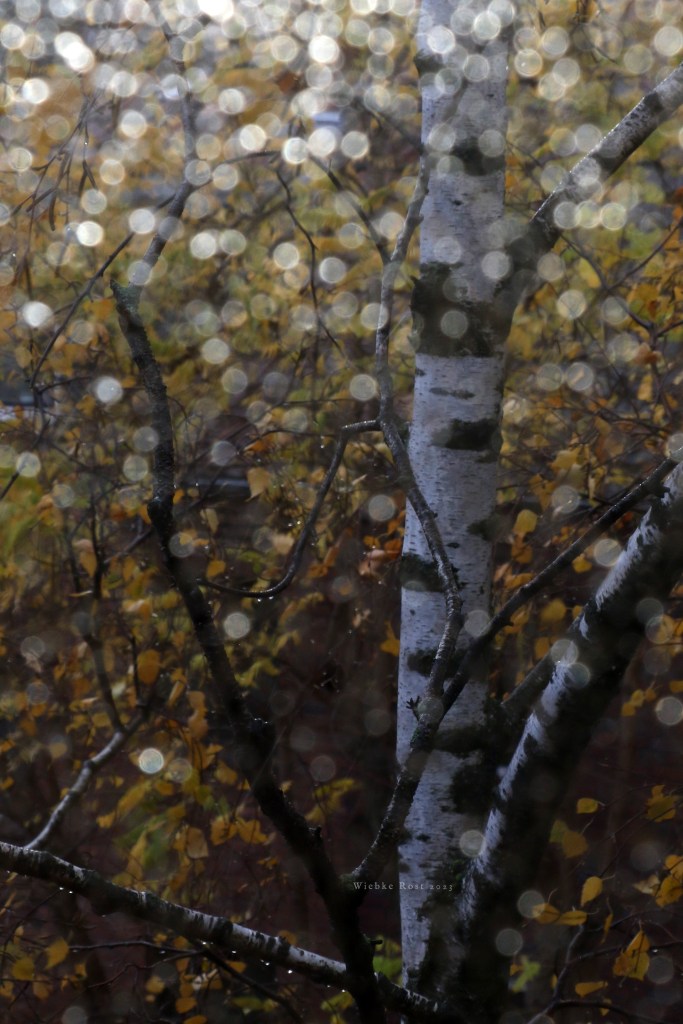

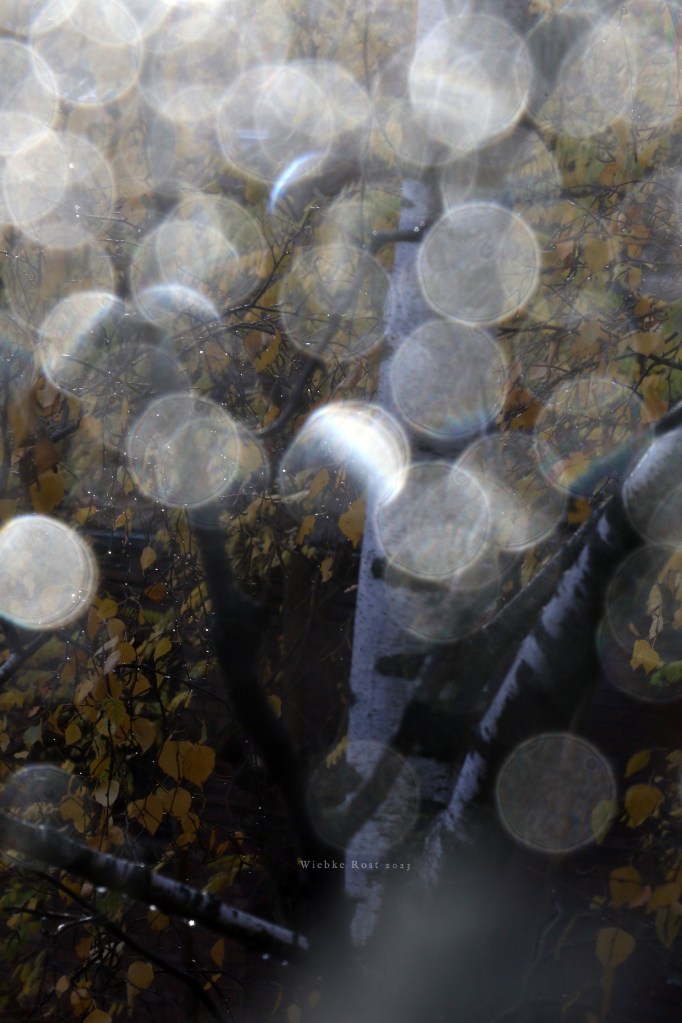

November impressions – macro and close-up, rain drops, long exposure, motion blur and bokeh effect
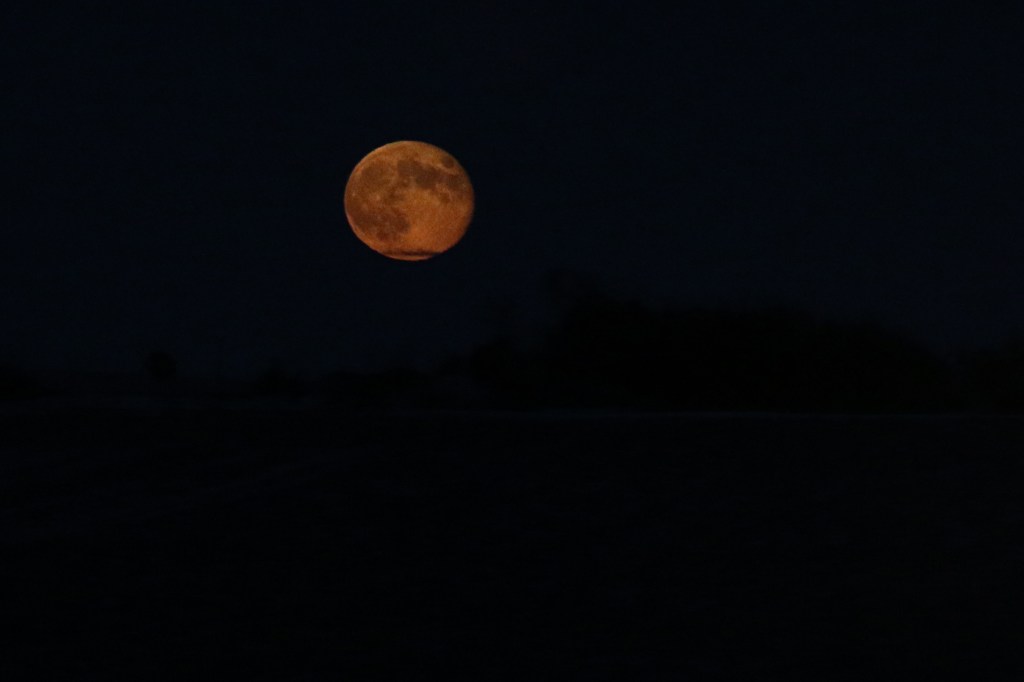
November is named so because it used to be the ninth month in the Roman calendar. It is also known as Windmond, Wintermonat and Nebelung. It is the darkest month, hostile and chaotic. It brings storms, disorder and weird dreams. The November full moon is also known as freezing moon or frost moon and beaver moon.
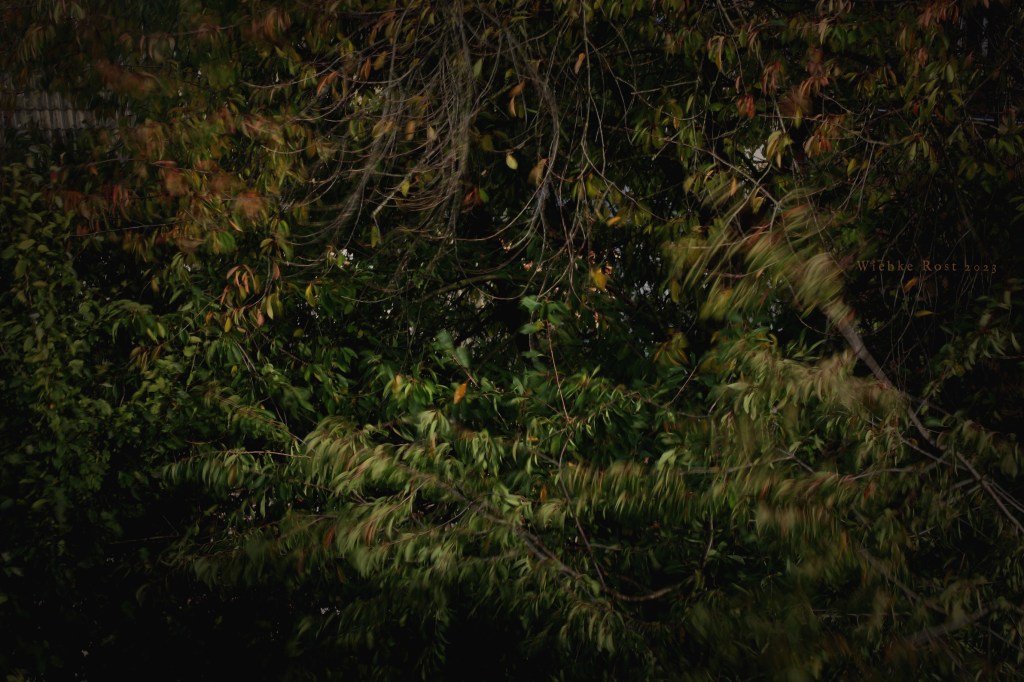
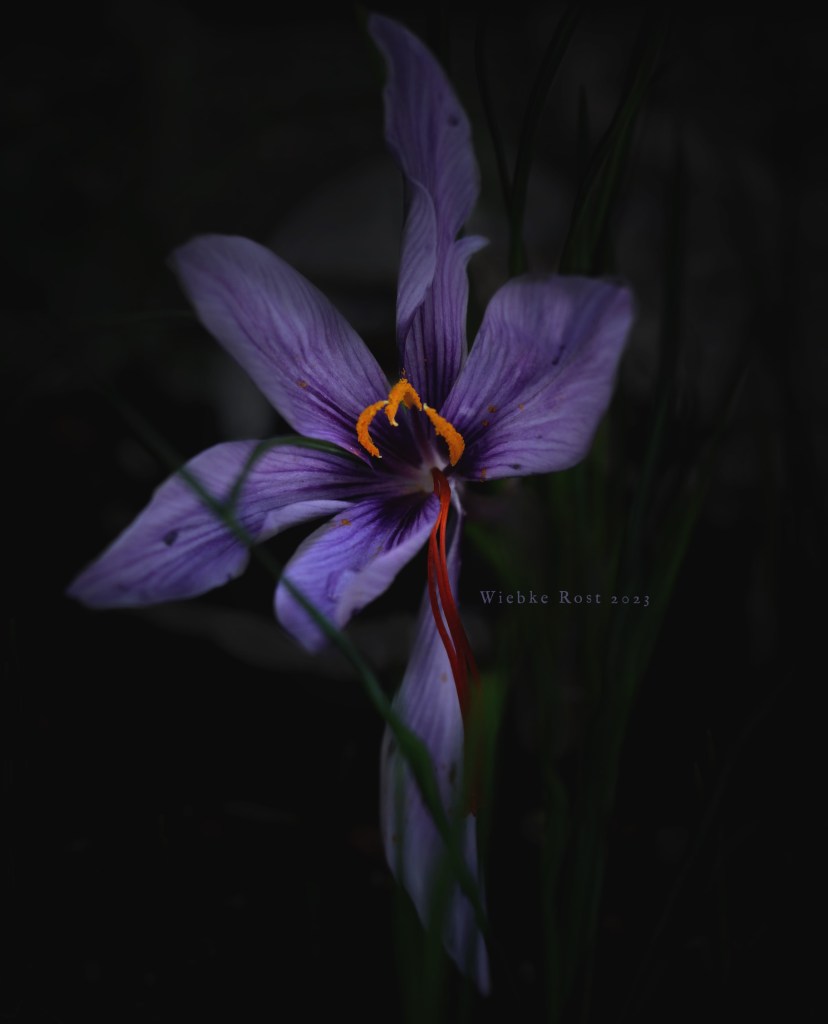
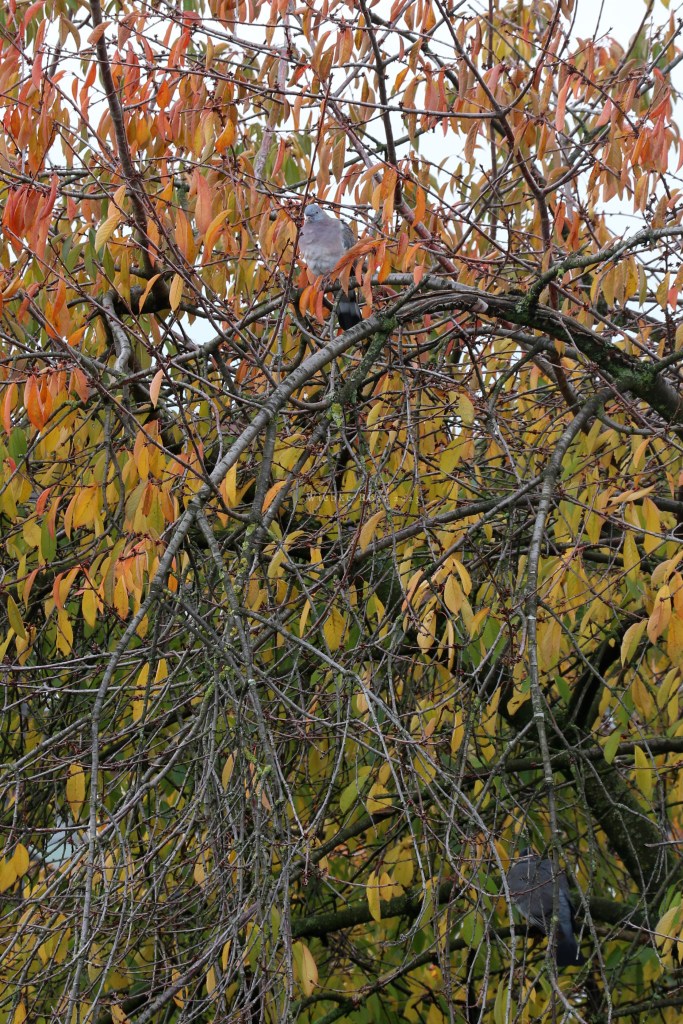
It is raining and snowing and the earth is being saturated with water. The cold grayness is lit up by bright saffron blossoms, colorful tree branches and berries. Wild cherry trees color their crowns red; what looks like a fiery shield or warning sign is actually an invisibility shield against herbivores. By dropping their leaves the trees now ultimately strike their solar sails. Simultaneously the fallen leaves re-assemble to form a protective and nurturing blanket on the ground, for myriads of organisms to spend the winter underneath. Here the magic happens that alchemists seek to master. All of nature’s actions are inherently logical and perfectly adjusted.
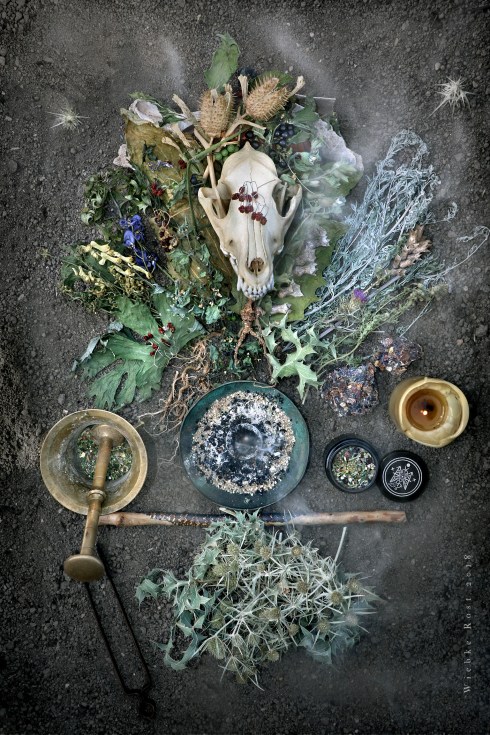
November’s weird dreams are messages of wyrd – the weaveress, who spins, weaves and cuts the thread that forms the fabric of a person’s fate or destiny. Noteworthy, is wyrd not only the base word for modern English weird. Today the word weird denounces something supernatural, uncanny or unexpected. But wyrd is also connected to the German werden = to become, Wort = word as well as Wurz = a herb. Originally these terms, to become and to grow (as a plant) and the concept of wyrd (fate) may have been closely linked. Indeed, the wort cunner uses herbs to change a person’s destiny. The shaman or healer uses herbs to drive out sickness and avert death, which increase in the absence of day light.
The weaveress is present in many different pantheons. Sometimes she is part of a triad of goddesses of fate such as the Norse Norns, the Greek Morai and Roman Parcea. Other times she is an ancient mother goddess presiding over the souls of the unborn and the work of women, especially spinning and weaving. Germanic tribes knew her as Holle/Holda, today also identified with Perchta. Slavic peoples knew her as Mokosh or Zorya.
Frau Holle is envisioned to guard a deep well or pool from which she releases the souls of children to be born and into which she receives again the souls of the stillborn. She guards the cycle of life and death, birth and rebirth. Likewise she judges the work of man, blesses those, who finish their tasks in time and punishes those who are late or lazy. In the short month of November we are reminded that the year is in its final quarter and that we too must come to a close with our projects and rituals, but also, that we must take care of ourselves.







 Wiebke Rost